

WeVote

Bill

Bill

HB 6854

AN ACT CONCERNING THE DEPARTMENT OF CONSUMER PROTECTION'S RECOMMENDATIONS REGARDING ALCOHOLIC LIQUOR REGULATION.

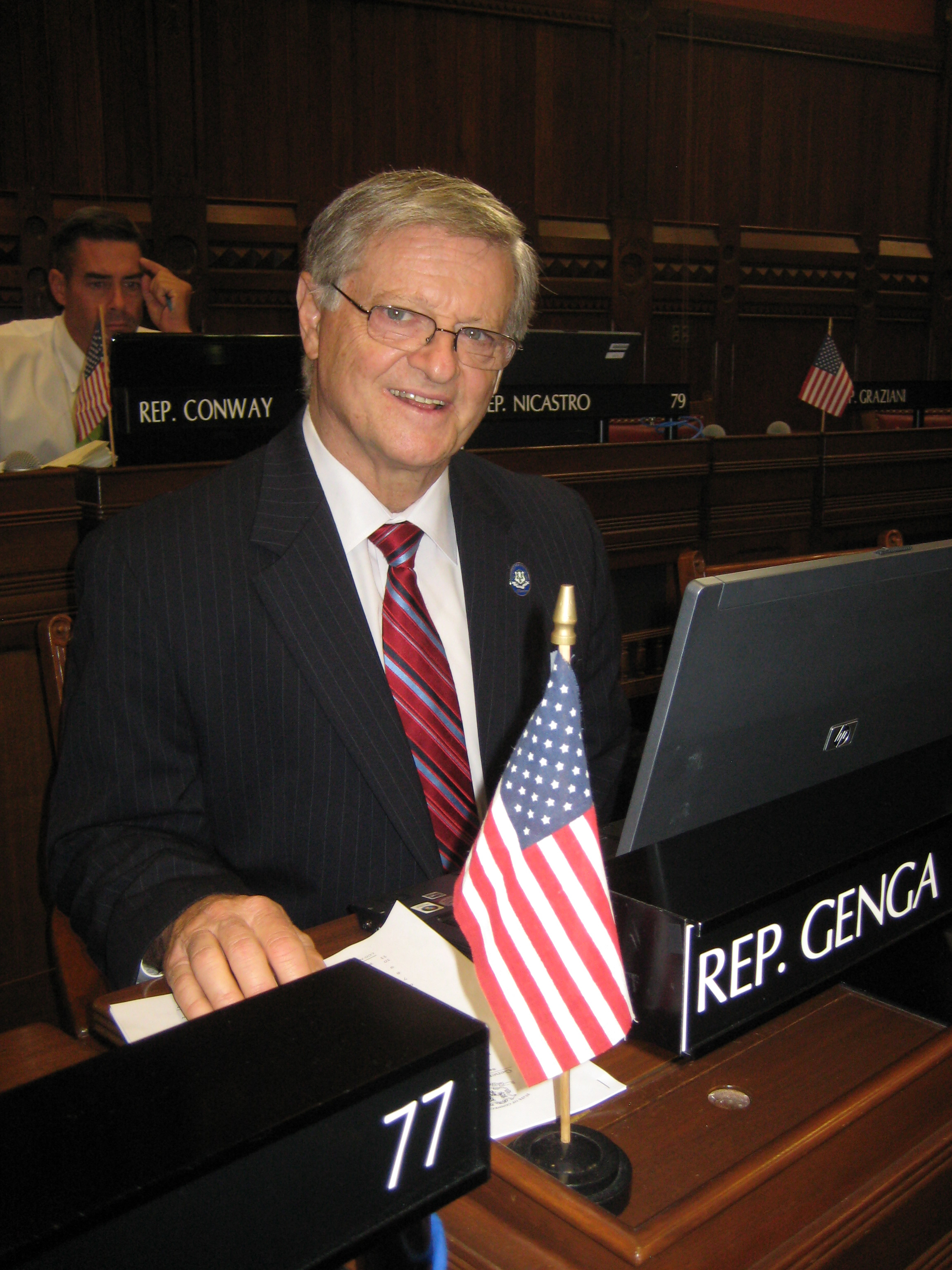
2025 Regular Session Introduced by Henry Genga

Modernizes Connecticut's alcohol laws to streamline permits, update labeling/advertising, and strengthen enforcement for retailers, manufacturers, and venues.

SIGNED BY GOVERNOR
0
WeVote Research Nonpartisan
Bill Summary · HB 6854

Summary — HB 6854 (Public Act 25-51, 2025)

Title: AN ACT CONCERNING THE DEPARTMENT OF CONSUMER PROTECTION'S RECOMMENDATIONS REGARDING ALCOHOLIC LIQUOR REGULATION
Status: Signed by Governor (Public Act 25-51) — June 10, 2025
Introduced: February 5, 2025
Committee: Joint Committee on General Law

Note: The full bill text is not included here. This summary is based on the bill title, legislative history, and the official subject tags associated with the measure, which indicate the substantive areas the act addresses.

Purpose / Intent

The act implements recommendations from the Connecticut Department of Consumer Protection (DCP) to modernize, clarify, and streamline state law governing the manufacture, sale, distribution, advertising, labeling, permitting and enforcement of alcoholic liquor. It consolidates and updates regulatory provisions to reflect changes in retail practices, manufacturing (breweries/wineries), hospitality (restaurants/caterers), and enforcement priorities.

Key topics and likely substantive changes

The bill touches a wide range of alcohol-related regulatory areas. Based on the bill’s subject tags, the act likely contains provisions in the following categories:

  • Permits and licensing

    • Revisions to permit categories and application/renewal procedures for retailers, package stores, restaurants, taverns, caterers, clubs, wholesalers, manufacturers, wineries and breweries.
    • Changes to fees or fee structures tied to permits.
  • Retail sales and venues

    • Clarifications or expanded rules for grocery stores, managed residential communities, concessions, and nonprofit organizations selling or serving alcohol.
    • Provisions affecting package stores, on-premises vs. off-premises sales, and catering establishments.
  • Manufacturer/producer provisions

    • Updates for wineries, breweries and other manufacturing establishments (e.g., direct-to-consumer sales, tasting events, onsite sales).
  • Advertising, labeling and packaging

    • New or clarified labeling and advertising requirements for alcoholic beverages and beverage containers; potential consumer-notice requirements.
  • Enforcement, investigations and penalties

    • Changes to DCP investigative authority, civil fines/penalties, procedures for addressing unfair or deceptive practices and violations, and rules regarding intoxication/drunkenness incidents.
  • Public safety, minors and criminal background checks

    • Provisions addressing sale/service to minors, liquor-and-minors enforcement, mandatory notices or training, and criminal history record checks for permit applicants or employees (including mention of correctional institution employees and prisoners suggests specific employment or licensing clarifications).
  • Transport, distribution and auctions

    • Rules for transporters and auction-related sales of alcoholic beverages.
  • Liability and civil provisions

    • Possible adjustments to liability standards for servers, licensees, and hosts.
  • Other cross-cutting issues

    • Intersections with marijuana regulation (noted), pharmacist roles, and special rules for institutional settings.

Who is affected

  • Consumers buying alcoholic beverages (retail and on‑premises).
  • Licensees and permit applicants: package stores, restaurants, taverns, caterers, clubs, grocery stores, wineries, breweries, manufacturers, wholesalers and transporters.
  • Nonprofit organizations that host alcohol sales or events.
  • DCP and enforcement personnel (investigations, compliance).
  • Employees and prospective employees in regulated establishments (criminal record checks, training requirements).
  • Potentially correctional institutions or pharmacists where specialized rules are relevant.

Procedure and timeline

  • Referred to the Joint Committee on General Law (Feb 5, 2025); public hearing Feb 14, 2025.
  • Joint Favorable Substitute reported and filed March 24, 2025.
  • Passed by House (with amendment schedule A) and Senate in late May 2025.
  • Transmitted to Secretary of the State and Governor early June 2025.
  • Signed by the Governor on June 10, 2025 and enacted as Public Act 25-51.

Notes and next steps

  • This summary is based on bill metadata and subject tags. For precise statutory language, specific amendments, effective dates, and financial/fiscal impacts, consult the enacted Public Act 25-51 text and the Legislative Commissioners’ Office version on the Connecticut General Assembly website or the Secretary of the State’s publications.

Compiled from official sources — confirm details with the bill’s official record.

Sign in to ask a question.