

WeVote

Bill

Bill

HB 6376

AN ACT CONCERNING OVERCHARGING BY CORRECTIONAL FACILITY COMMISSARIES.

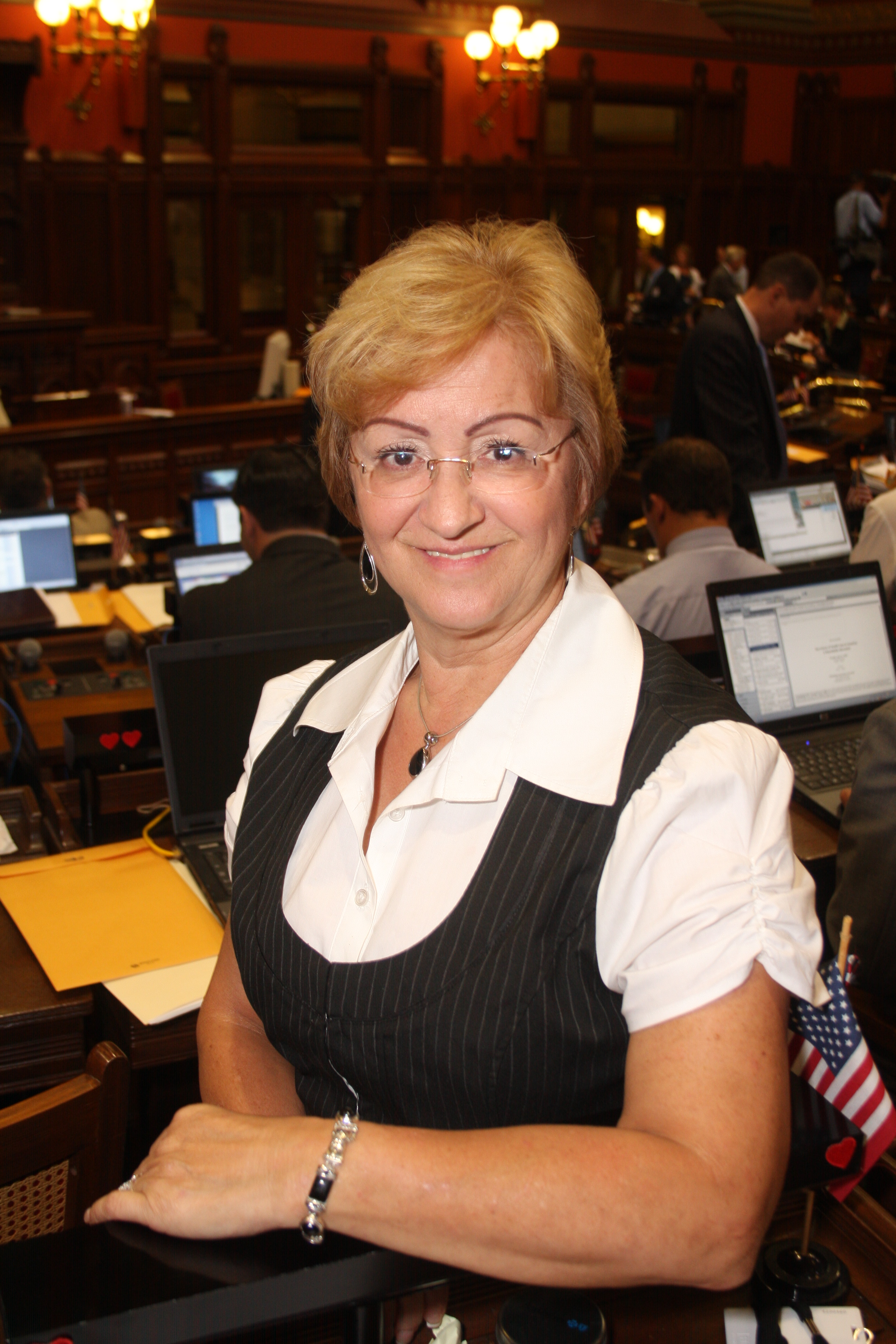
2025 Regular Session Introduced by Minnie Gonzalez

Connecticut bill regulates commissary pricing at prisons to prevent excessive markups on goods sold to incarcerated individuals, reducing financial burdens on inmates and families.

REF. TO JOINT COMM. ON Judiciary
0
WeVote Research Nonpartisan
Bill Summary · HB 6376

Legislative bill overview

HB 6376 addresses pricing practices at correctional facility commissaries in Connecticut. The bill aims to regulate or limit markups on goods sold to incarcerated individuals through prison commissary systems. This represents an effort to reduce financial burdens on incarcerated persons and their families who rely on commissaries for basic necessities and hygiene items.

Why is this important

Commissary markups can be substantial—often 50-200% above retail prices—creating significant financial strain on incarcerated individuals with limited income (typically $0.14-$1.00 per hour for prison work). These costs disproportionately impact families already struggling with economic hardship, as they often supplement commissary accounts. Regulating these prices could improve conditions for vulnerable populations while addressing concerns about predatory pricing within correctional systems.

Potential points of contention

  • Commissary contractor profitability: Private vendors operating commissaries argue high markups are necessary to offset operational costs and maintain services; price caps could reduce service quality or vendor participation
  • State budget implications: If Connecticut operates commissaries directly, reduced revenue could require general fund reallocation or may necessitate state subsidies for commissary operations
  • Definition of "overcharging": The bill's specifics on acceptable markup percentages or pricing benchmarks remain unclear and will require careful definition to avoid unintended consequences

Compiled from official sources — confirm details with the bill’s official record.

Sign in to ask a question.