

WeVote

Bill

Bill

A 8810

Allows for certain child beneficiaries to receive accidental death benefits for the duration of their lifetime

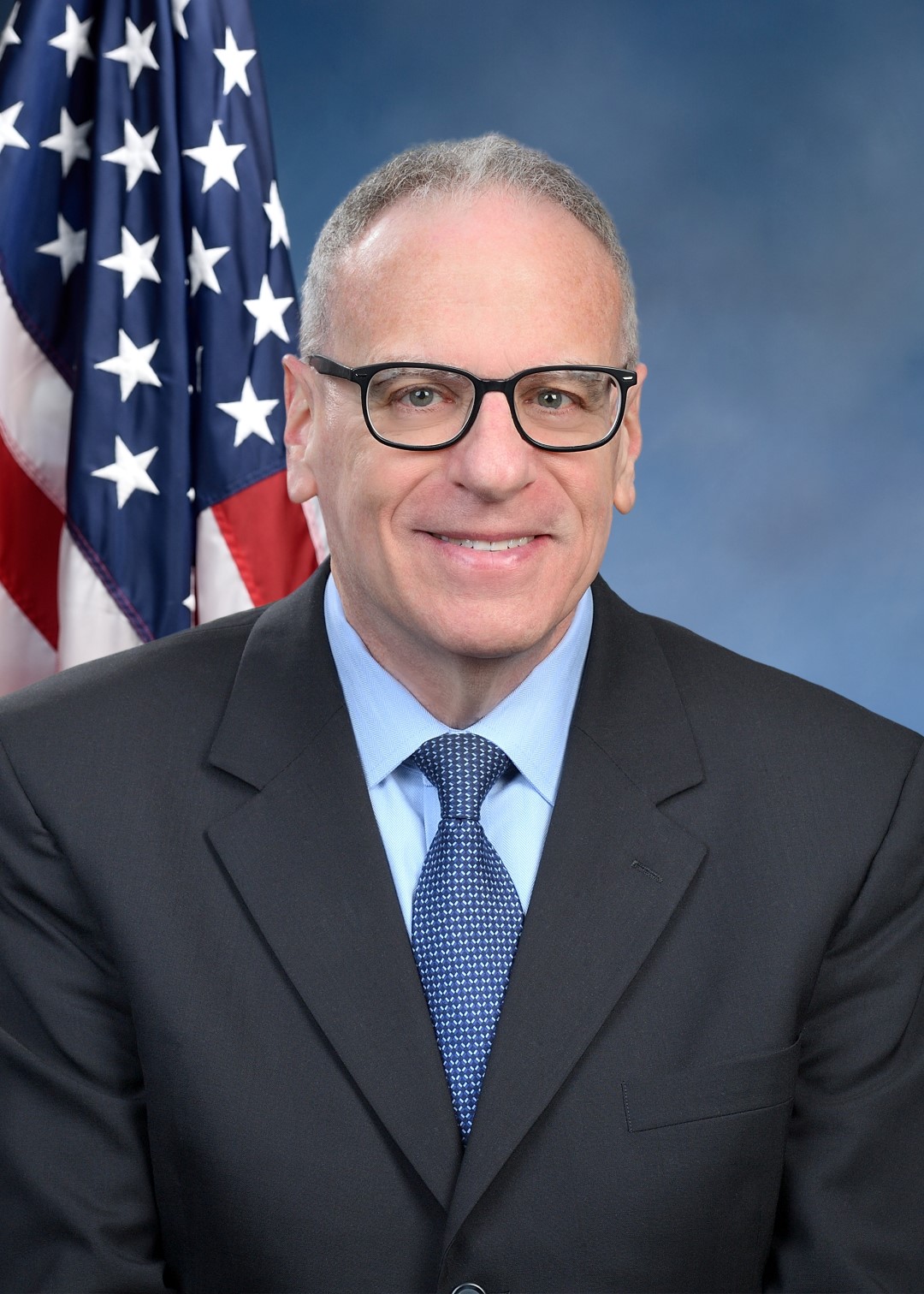
2025 Regular Session Introduced by Jeffrey Dinowitz and 2 co-sponsors

Extends accidental death benefits for certain child beneficiaries to lifetime, expanding state costs; shifts review to Ways and Means for budgetary analysis.

REFERENCE CHANGED TO WAYS AND MEANS
0
WeVote Research Nonpartisan
Bill Summary · A 8810

Summary of New York State Assembly Bill A 8810

Overview

Bill A 8810 proposes to change the duration of accidental death benefits for certain child beneficiaries. Specifically, it would allow these beneficiaries to receive accidental death benefits for the duration of their lifetime. The bill has moved through the legislative process from a referral to Governmental Employees to a reference to Ways and Means, signaling a focus on fiscal impact and budgetary considerations.

  • Bill number: A 8810
  • Title: Allows for certain child beneficiaries to receive accidental death benefits for the duration of their lifetime
  • Introduced: June 9, 2025
  • Current status: Reference changed to Ways and Means (as of June 13, 2025)
  • Classification: Bill
  • Primary sponsor: Jeffrey Dinowitz
  • Co-sponsors: Kwani O’Pharrow, David Weprin
  • Related Senate companion: S 3815 (companion); S 9666 (prior-session)
  • Related actions: Referred to Governmental Employees on June 9, 2025; subsequently moved to Ways and Means on June 13, 2025

What the bill would do (Key provisions)

  • Extend the duration of accidental death benefits for a defined group of child beneficiaries to last for the beneficiaries’ lifetimes.
  • The term “certain child beneficiaries” implies a specified subset of beneficiaries who would be eligible under the bill’s criteria (to be defined in the text). The exact eligibility rules, including relationships, ages, or other qualifying factors, would be detailed in the bill’s language.
  • By placing the measure under Ways and Means, the bill would be assessed for its fiscal implications, including cost to the state and any budgetary impact on the programs providing accidental death benefits.

Who would be affected

  • Beneficiaries currently receiving accidental death benefits or potential beneficiaries who meet the bill’s criteria for “certain child beneficiaries.”
  • The programs that administer accidental death benefits for public employees or related state/municipal benefits, depending on how “accidental death benefits” are structured in the relevant statute.
  • State and local governments or agencies responsible for financing and administering these benefits, given the bill’s shift to Ways and Means.

Fiscal and administrative implications

  • Reference to Ways and Means indicates a focus on budgeting and fiscal impact. If enacted, the extension could require additional ongoing funding to support lifetime benefits.
  • Administrative changes may be needed to adjust eligibility enforcement, benefit duration tracking, and related reporting.
  • A full fiscal note would be expected to accompany the bill, detailing estimated costs, potential savings, and any impacts on premiums, reserves, or fund balances.

Procedural timeline and status

  • June 9, 2025: Referred to Governmental Employees (initial committee stage)
  • June 13, 2025: Reference changed to Ways and Means (twice noted), signaling a shift to fiscal review
  • Status indicates the bill is moving toward a budgetary consideration phase, with potential hearings and fiscal analysis pending

Related legislation

  • Senate companion: S 3815 (companion)
  • Prior-session Senate bill: S 9666
  • The companion and related bills may provide alignment on policy and fiscal considerations across chambers

Potential impact and considerations

  • If enacted, lifetime accidental death benefits could represent a meaningful financial commitment to qualifying child beneficiaries, potentially improving long-term security for families.
  • Fiscal impact: increased ongoing liability for benefit funds; budgetary planning and sustainability considerations will be central to negotiations.
  • Policy questions for stakeholders: precise eligibility criteria, duration definitions, cost-sharing or funding sources, and any sunset or review provisions.

Note: The full text would clarify exact eligibility, benefit amounts, funding mechanisms, and any interaction with existing benefit programs.

Compiled from official sources — confirm details with the bill’s official record.

Sign in to ask a question.