

WeVote

Bill

Bill

S 10438

Allows certain physically disabled individuals to complete the live-fire range training course for a concealed carry license while sitting

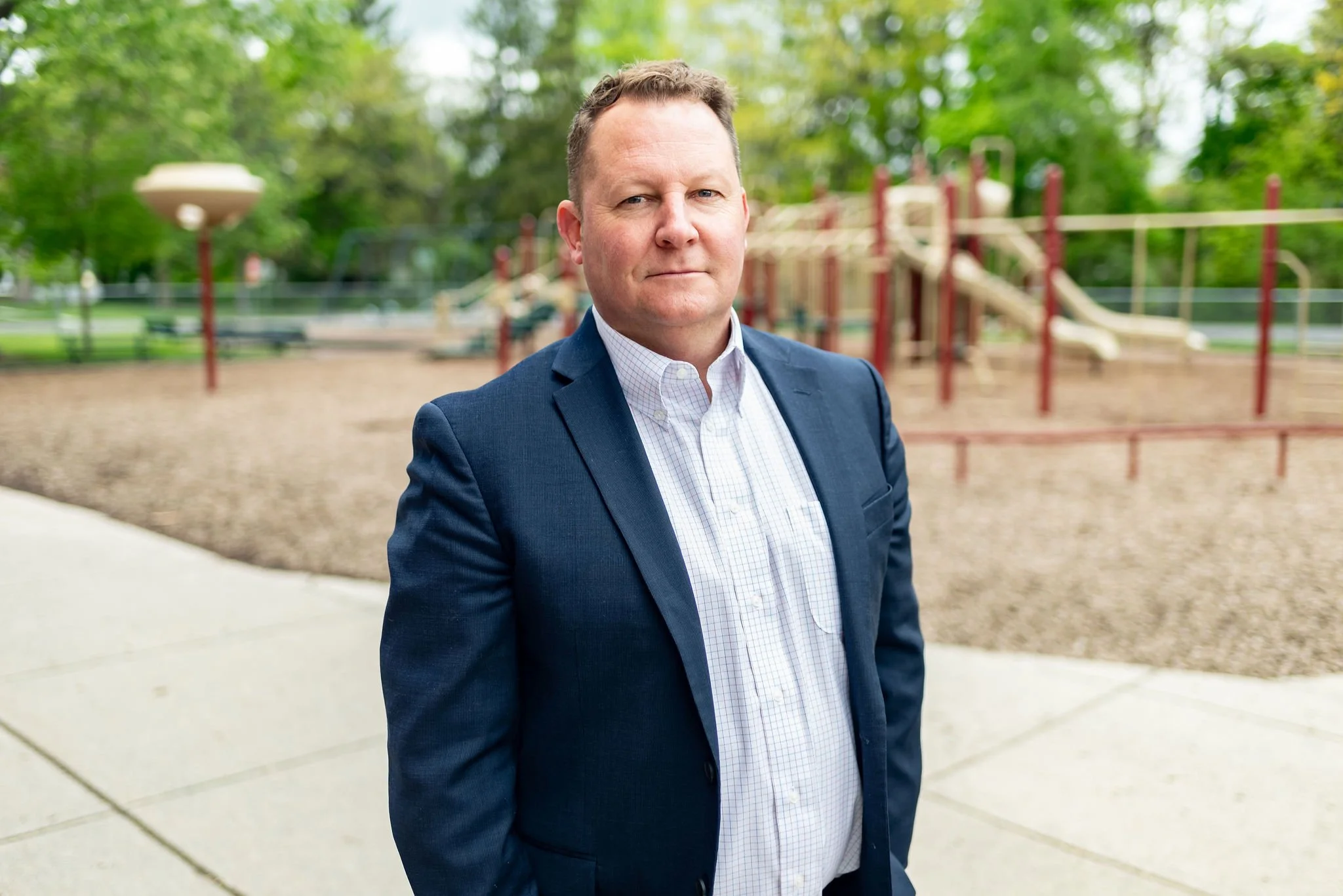
2025 Regular Session Introduced by Chris Ryan

Allows physically disabled concealed carry applicants to complete seated live-fire training if medical verification is provided.

SUBSTITUTED BY A3191A
0
WeVote Research Nonpartisan
Bill Summary · S 10438

Bill Overview

  • Bill: S 10438
  • Session: 2025-2026
  • Jurisdiction: New York
  • Title: Allows certain physically disabled individuals to complete the live-fire range training course for a concealed carry license while sitting
  • Sponsor: Sen. C. Ryan (Co-sponsor: Chris Ryan)
  • Committee: Codes (currently substituted by A3191A as of June 4, 2026)
  • Effective date: Immediate

Purpose and Intent

The bill amends the Penal Law to permit physically disabled applicants for a concealed carry license to complete the required live-fire range training and proficiency demonstration while seated, rather than standing. This adjustment aims to accommodate individuals whose medical conditions or disabilities prevent them from standing during the two-hour live-fire portion of the training, ensuring they can meet licensing requirements without compromising safety or certification.

Key Provisions

  • Amends Subdivision 19 of section 400.00 (as added by chapter 371 of the laws of 2022).
  • Training Requirements (for licenses issued or renewed on or after the effective date of this subdivision):
    • In-person live firearms safety course must total at least 16 hours of curriculum (topics listed below).
    • Live-fire range training course must be a minimum of 2 hours.
    • If an applicant has a physical disability preventing standing, and medical verification is provided, the live-fire range training and proficiency demonstration may be completed while seated.
    • Written test: Applicants must score at least 80% on the curriculum portion to demonstrate proficiency.
    • Proficiency standards: Determined by rules and regulations of the Division of Criminal Justice Services (DCJS) and the Superintendent of State Police for the live-fire portion.
    • Certification: A certificate of completion must be issued in the applicant’s name, endorsed and affirmed under penalties of perjury by the duly authorized instructor.
  • Renewal Process:
    • Applicants renewing licenses must complete the required training for the first renewal after the effective date (if they had a license prior to the effective date).

What Is Affected

  • Applicants for concealed carry licenses (new issues and renewals) beginning on or after the effective date.
  • Specifically benefits physically disabled individuals who cannot stand during the live-fire portion, provided they supply medical verification of the disability.
  • Training providers and instructors: Must follow the updated criteria and ensure eligibility criteria, including documentation of disability, are in place.
  • DCJS and the Superintendent of State Police: Responsible for establishing and enforcing the applicable rules and regulations for the live-fire proficiency and assessment standards.

Procedural and Timeline Details

  • Effective Date: Immediate (per Section 2).
  • Legislative Journey:
    • Referred to Codes (May 15, 2026).
    • Substitution by A3191A (June 4, 2026), indicating a potential amendment or replacement to the original text.
    • Committee actions indicate discharge to Rules and subsequent third reading, suggesting ongoing consideration during the 2025-2026 session.
  • Scope of Training:
    • In-person live firearms safety course: minimum 16 hours total, covering topics such as safety, safe storage, laws, situational awareness, conflict de-escalation, interaction with law enforcement, sensitive places, use of deadly force, suicide prevention, and basic marksmanship principles.
    • Live-fire component: minimum 2 hours, with seated option for eligible applicants.

Practical Implications

  • Accessibility: Significantly improves accessibility of concealed carry licensing for physically disabled individuals who cannot stand during live-fire training.
  • Safety and Oversight: Maintains safety standards by requiring medical verification and continuing compliance with DCJS and State Police rules for proficiency.
  • Certification Process: Requires written demonstration of knowledge (80% on the curriculum test) in addition to live-fire proficiency, with proper certification by an authorized instructor.

If you want, I can flag potential questions for further committee inquiry (e.g., what medical verification suffices, how seating arrangements are structured, and how accommodations are audited).

Compiled from official sources — confirm details with the bill’s official record.

Sign in to ask a question.