

WeVote

Bill

Bill

A 1590

Allows certain members of a public body to be counted as present for quorum purposes at meetings attended remotely

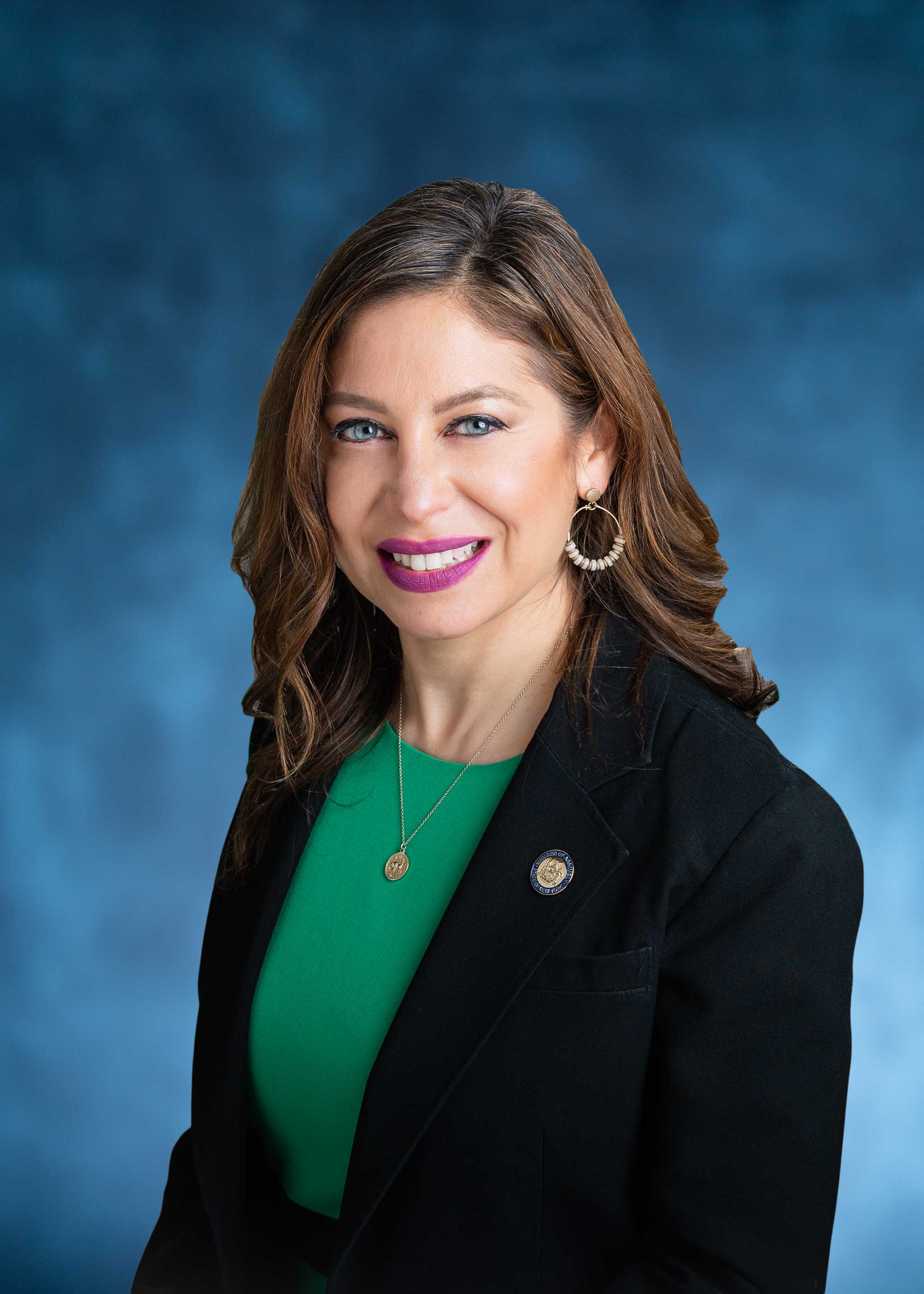
2025 Regular Session Introduced by Jessica González-Rojas and 1 co-sponsor

Bill A 1590 allows members of public bodies to count as present for quorum when attending meetings remotely, boosting participation and ensuring effective governance.

REFERRED TO GOVERNMENTAL OPERATIONS
0
WeVote Research Nonpartisan
Bill Summary · A 1590

Summary of Bill A 1590

Bill Number: A 1590
Title: Allows certain members of a public body to be counted as present for quorum purposes at meetings attended remotely
Status: Referred to Governmental Operations
Introduced: January 10, 2025
Classification: Bill

Purpose and Intent

Bill A 1590 aims to modernize the operational procedures of public bodies by allowing certain members to be counted as present for quorum purposes when they attend meetings remotely. This legislation is particularly relevant in the context of increasing reliance on virtual meetings, which have become more common due to technological advancements and public health considerations.

Key Provisions

  • Remote Attendance: The bill specifies that members of public bodies can participate in meetings via remote means (e.g., video conferencing, teleconferencing) and still be counted towards the quorum necessary to conduct official business.

  • Eligibility Criteria: The bill outlines specific criteria for which members can be considered present remotely, although these criteria are not detailed in the provided information. Typically, such criteria may include the ability to interact in real-time and the use of secure technology.

  • Quorum Definition: The legislation clarifies how quorum is defined in the context of remote participation, ensuring that the integrity of decision-making processes is maintained even when members are not physically present.

Who Would Be Affected

  • Public Bodies: This bill primarily affects various public bodies, including local government councils, school boards, and other entities that require a quorum to conduct meetings and make decisions.

  • Members of Public Bodies: Elected or appointed officials who serve on these bodies will benefit from the flexibility of remote attendance, potentially increasing participation rates.

  • Constituents and Stakeholders: The public may experience more consistent governance and decision-making as a result of increased member attendance and participation.

Procedural Aspects

  • Legislative Process: As of January 10, 2025, the bill has been referred to the Governmental Operations committee for further consideration. The timeline for subsequent actions, such as hearings or votes, has not been specified.

  • Related Legislation: The bill is related to prior-session Bill A 4880 and has a companion bill, S 2392, which may address similar issues or provide additional context for the proposed changes.

Conclusion

Bill A 1590 represents a significant step towards adapting public meeting protocols to modern technological capabilities. By allowing remote attendance to count towards quorum, the bill seeks to enhance participation and ensure that public bodies can operate effectively in an increasingly digital world. Further developments in the legislative process will clarify the specifics of implementation and any additional requirements for remote participation.

Compiled from official sources — confirm details with the bill’s official record.

Sign in to ask a question.