

WeVote

Bill

Bill

HB 2815

Allows businesses to register for the No-Call List

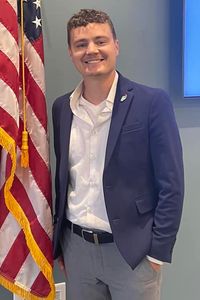
2026 Regular Session Introduced by Bryant Wolfin

Missouri HB 2815 creates a state No-Call List registration for businesses to enroll, guiding compliance, enforcement, and interaction with existing telemarketing rules.

Referred: Emerging Issues(H)
0
WeVote Research Nonpartisan
Bill Summary · HB 2815

Overview

HB 2815 (Missouri, 2026) introduces a framework for businesses to register for the state No-Call List. The bill aims to clarify the ability of businesses to enroll in or otherwise participate in a No-Call mechanism, with the potential to reduce unsolicited contact while establishing procedural steps for registration, maintenance, and enforcement. The measure has co-sponsorship from Bryant Wolfin and has progressed through the usual committee and chamber steps in early 2026.

Purpose and intent

  • Establish a formal pathway for businesses to register with a Missouri No-Call List system.
  • Provide structure for voluntary or regulatory-based enforcement of no-call preferences for business-to-consumer or business-to-business communications, depending on subsequent implementation details.
  • Create a framework that may complement or integrate with existing consumer No-Call List programs or telemarketing rules.

Key provisions and changes (as inferred from title and action history)

Since the bill’s text is not provided here, this summary covers the typical elements one would expect for a No-Call List registration bill and what the action history suggests:

  • Registration mechanism: The bill would likely authorize a state-administered or state-recognized No-Call List to which businesses can register to indicate compliance with no-call preferences or to opt out of certain forms of unsolicited contact.
  • Eligible entities: The measure would define which entities may register (e.g., telemarketers, marketers, businesses engaging in outbound calls or messages) and any exclusions.
  • Data requirements: Provisions would specify what information a business must provide to register (e.g., business name, contact information, regulatory identifiers) and how that data is stored and protected.
  • Compliance standards: The bill would outline the standards for honoring the No-Call preferences, including how enforcement will be carried out, penalties for noncompliance, and timelines for achieving compliance.
  • Interaction with other laws: Provisions may state how the No-Call List interacts with federal telemarketing rules and existing Missouri consumer protection or privacy laws.
  • Registration durational terms: Rules concerning how long registration remains active, renewal processes, fees (if any), and grounds for revocation or suspension.

Who would be affected

  • Businesses engaged in outbound communications who choose to register with the No-Call List to demonstrate compliance or to receive designation under the program.
  • Consumer protection agencies or state offices responsible for administering the No-Call List and enforcing related provisions.
  • Consumers who may experience changes in how businesses contact them if registered entities adhere to the No-Call List requirements.
  • Telemarketers and marketers who would need to adjust practices to align with registered status and any associated obligations.

Procedural and timeline aspects

  • Referral history: Referred to Emerging Issues (H) on May 15, 2026, indicating initial considerations around emerging topics and potential regulatory impact.
  • Readings: The bill advanced to a second reading on January 8, 2026, and had its first reading on January 7, 2026, suggesting early-stage legislative movement.
  • Sponsorship: Co-sponsored by Bryant Wolfin, which may influence committee attention and debate.

Potential impacts and considerations

  • Compliance burden: Businesses may face new registration and reporting requirements, potential fees, and ongoing obligations to maintain status.
  • Privacy and data security: Use and protection of business-registered data will be an important consideration, including how data is shared with regulators or other entities.
  • Economic effects: If the No-Call List reduces unsolicited outreach, there could be cost savings or efficiency gains for compliant businesses, balanced against administrative costs of registration.
  • Enforcement: The effectiveness of the program will depend on defined penalties, investigation processes, and remedies for violations.

Note: The above reflects typical elements associated with a No-Call List registration bill and the available action history. For a precise, point-by-point summary, the bill text and committee amendments would be required.

Compiled from official sources — confirm details with the bill’s official record.

Sign in to ask a question.