

WeVote

Bill

Bill

A 1905

Allows access to juvenile delinquency records for the purposes of a firearm background check and authorizes the denial of a firearm license for applicants under thirty who committed certain offenses as a juvenile

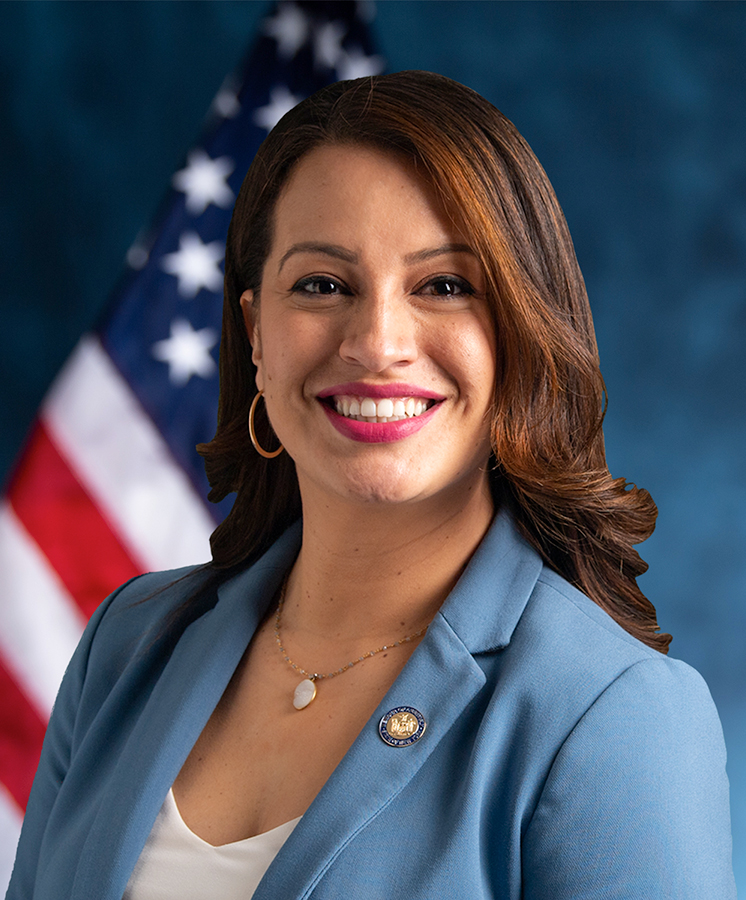
2025 Regular Session Introduced by Catalina Cruz and 1 co-sponsor

Allows agencies to use juvenile delinquency records in firearm background checks and may deny licenses to applicants under 30 with qualifying juvenile offenses.

REFERRED TO CODES
0
WeVote Research Nonpartisan
Bill Summary · A 1905

Summary of Bill A 1905

Overview

Bill A 1905 would change the handling of juvenile delinquency records in the context of firearm licensing. Specifically, it would allow access to juvenile delinquency records for the purpose of conducting firearm background checks and would authorize the denial of a firearm license for applicants under age 30 who have committed certain offenses as a juvenile. The bill is currently in the Codes Committee.

  • Introduced: January 14, 2025
  • Status: Referred to Codes (January 14, 2025)
  • Primary Sponsor: Amy Paulin
  • Cosponsor: Catalina Cruz
  • Related Bills: A 10331 (prior-session), S 2089 (companion, Senate)

What the bill would do

  • Access to juvenile records for background checks: Permit certain agencies or processes conducting firearm background checks to access juvenile delinquency records.
  • License denial for young applicants: Authorize denial of a firearm license for individuals under 30 who have committed certain juvenile offenses.

These provisions aim to strengthen the ability to assess an applicant’s delinquency history when issuing firearm licenses, by integrating juvenile records into the background-check framework.

Key provisions and changes (as indicated by the bill’s title and summary)

  • Access to juvenile delinquency information for firearm background checks.
  • Eligibility standard modification for firearm license applicants under 30, based on juvenile offense history.
  • Specified scope mentions “certain offenses” committed as a juvenile (the bill text would define which offenses are included).

Note: The available information does not enumerate the offenses or detail the exact access mechanisms or who administers the background checks. The bill would provide the statutory basis for those processes.

Who would be affected

  • Applicants for firearm licenses: Individuals under 30 who have juvenile delinquency records for “certain offenses” could face denial of licensing.
  • Juvenile delinquency records and related agencies: Entities handling juvenile records would be tied to the background-check framework for firearms.
  • Law enforcement, licensing authorities, and courts: Those involved in processing firearm background checks and license decisions would implement and enforce the new requirements.

Procedural and timeline aspects

  • Introduction date: January 14, 2025
  • Committee status: Referred to Codes (pending committee review and potential amendments)
  • Legislative path: As a new bill, it would move through committee consideration, potential amendments, and then votes in the Assembly; if passed, it would proceed to the Senate (and vice versa if paired with companion bills).

Related and companion legislation

  • A 10331 (prior-session): Related prior-session bill, potentially with similar provisions or discussions.
  • S 2089 (companion): Senate counterpart to A 1905; indicates cross-chamber interest in this policy.
    • Listed as “companion” in the provided information.

Potential impact and considerations

  • Public safety: Could enhance the ability to consider juveniles’ histories in firearm licensing decisions.
  • Privacy and fairness: Access to juvenile records raises privacy questions and could affect youths’ later opportunities; the bill’s safeguards (e.g., which offenses qualify, retention, correction rights) would be important.
  • Administrative implementation: Would require clear definitions of offenses, data access procedures, retention rules, and inter-agency coordination for background checks.
  • Legal and constitutional considerations: Depending on how records are used, the bill may entail due process considerations and alignment with existing privacy protections for juvenile records.

If you’d like, I can tailor this summary to emphasize potential fiscal impacts, enforcement mechanisms, or compare it more directly with the companion/Senate versions once the full text is available.

Compiled from official sources — confirm details with the bill’s official record.

Sign in to ask a question.