

WeVote

Bill

Bill

A 1120

Allows a judicial district convention to be conducted in whole or in part via video conference

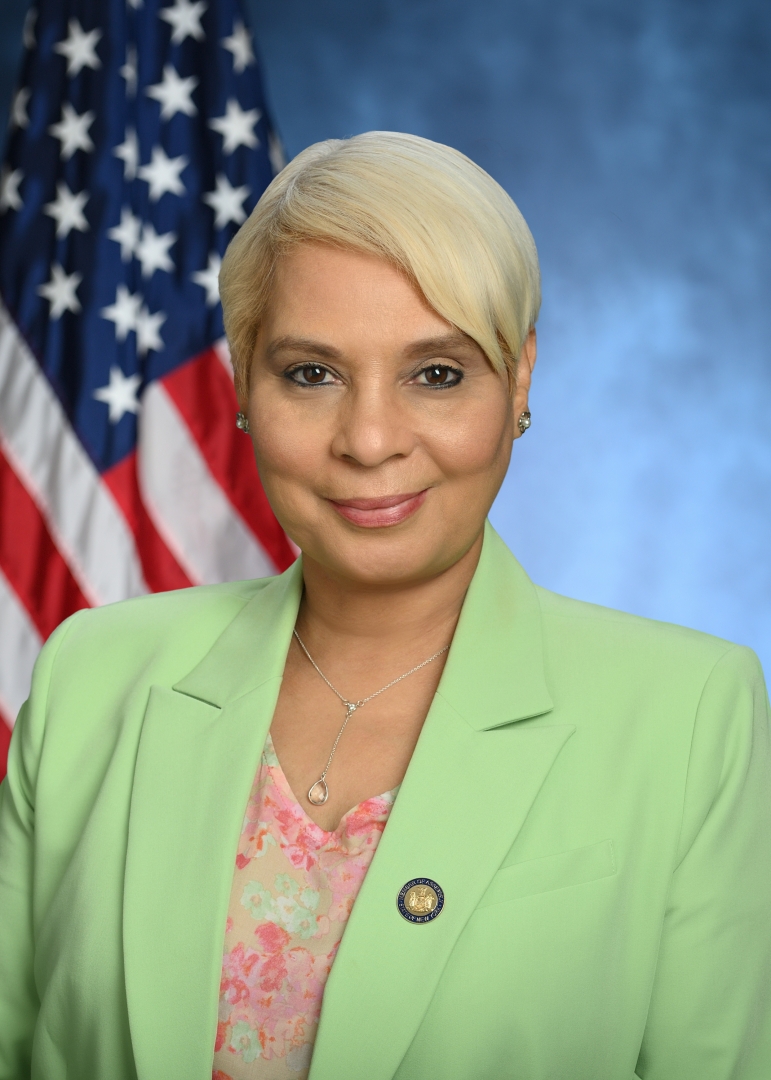
2025 Regular Session Introduced by Maritza Davila and 5 co-sponsors

Authorizes judicial district conventions to be held fully or partly by video conference, expanding access and reducing travel, with safeguards for quorum, voting, and security.

REFERRED TO ELECTION LAW
0
WeVote Research Nonpartisan
Bill Summary · A 1120

Summary: Bill A 1120

Overview

Bill A 1120 would authorize a judicial district convention to be conducted in whole or in part via video conference. The measure is currently in the early stages of consideration, having been introduced on January 9, 2025 and referred to the Election Law committee.

Purpose and Intent

  • The primary aim is to provide flexibility for how judicial district conventions are held, allowing virtual participation or hybrid formats (partially or wholly by video conference).
  • The change targets the procedural aspect of nominating or organizing within judicial districts, potentially reducing travel burdens and increasing accessibility for participants.

Key Provisions (as described)

  • Authorization for a judicial district convention to be conducted via video conference, either entirely or in part.
  • Specific conditions, requirements (e.g., notice, quorum, voting procedures, security, and accessibility), and implementation details would be determined within the bill’s text and subject to existing election-law frameworks.

Note: The full text would clarify thresholds, quorum rules, voting methods, recordkeeping, and any limitations or safeguards associated with virtual conventions. The summary reflects the bill’s stated purpose to permit video-conference participation.

Who Would Be Affected

  • Participants in judicial district conventions (primarily party delegates and participants responsible for nominating or organizing judicial candidates).
  • Election officials and local or state authorities administering conventions.
  • Political parties and candidates for judicial offices who rely on district conventions for nomination or endorsement.

Legislative Status and Timeline

  • Introduced: January 9, 2025.
  • Legislative Action: Referred to Election Law (listed twice in the record, dated January 9, 2025).
  • Next steps typically include committee hearings, potential amendments, and floor consideration if the bill advances.

Sponsorship

  • Primary Sponsor: Amy Paulin
  • Cosponsors: Jo Anne Simon, Maritza Davila, David McDonough, Donna Lupardo, Jen Lunsford

Related Legislation

  • A 8678 (prior-session)
  • A 2635 (prior-session)
  • These related measures suggest ongoing interest in modernizing or adjusting procedures for judicial district conventions.

Potential Impact and Considerations

  • Benefits: Increased accessibility, potential cost savings, and resilience against disruptions that prevent in-person gatherings.
  • Considerations: Ensuring integrity of conventions, maintaining quorum and voting integrity, accessibility and security of remote participation, and alignment with existing Election Law requirements.
  • Practical questions to watch: how remote participation affects record-keeping, attendance verification, and compliance with party-bylaws governing conventions.

Next Steps for Readers

  • Monitor when the Election Law committee schedules hearings or reviews.
  • Review the bill’s text for detailed rules on quorum, voting, security, and procedural safeguards.
  • Consider alignment with related bills and any change in standards for virtual public/party meetings.

Compiled from official sources — confirm details with the bill’s official record.

Sign in to ask a question.