

WeVote

Bill

Bill

HB 2788

Allowing West Virginia State Police officers to bank sick leave and use it towards their years of service or to fund their health insurance

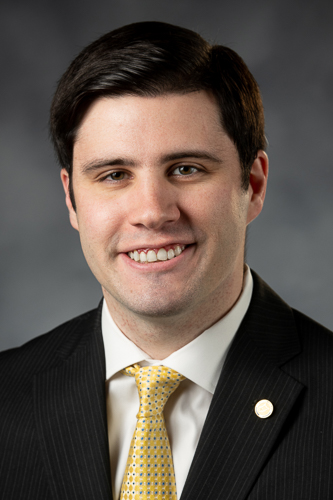
2025 Regular Session Introduced by Trenton Barnhart and 6 co-sponsors

Raises Medicaid/waiver payments to fund DSPs and frontline staff wages at 150% of minimum wage starting Jan 1, 2026, plus employment-expense adjustments.

To House Finance
0
WeVote Research Nonpartisan
Bill Summary · HB 2788

Summary — HB 2788 (DHS — Direct Support Personnel Wage Increases)

Status: Enacted (Signed by Governor 2025-06-20; effective immediately)
Primary sponsor: Rep. Laura Faver Dias. Noted co‑sponsors include Nicolle Grasse, Lilian Jiménez, Nabeela Syed, Michelle Mussman, and others.

Purpose

Require state agencies to increase Medicaid/waiver reimbursement rates so that direct support personnel (DSPs) and certain frontline staff who provide services to people with intellectual/developmental disabilities (ID/DD) earn a wage equal to 150% of the applicable minimum wage, starting for services on or after January 1, 2026. Provide related rate adjustments and rulemaking authority to implement the increases.

Key provisions

  • Directs the Department of Healthcare and Family Services (HFS), in collaboration with the Department of Human Services (DHS), to amend:
    • The Home and Community‑Based Services (HCBS) Waiver for Adults with Developmental Disabilities (to reflect wage funding for community/residential providers); and
    • The Medicaid (Title XIX) State Plan (to reflect wage funding at ID/DD and MC/DD facilities).
  • Rate requirement: reimbursement methodology must be increased sufficiently to provide a wage equal to 150% of the applicable statewide, regional, or local minimum wage for:
    • All direct support personnel, and
    • Other frontline personnel (not covered by Bureau of Labor Statistics average‑wage adjustments) who work in residential and community day services settings.
  • Rates for services delivered on/after January 1, 2026 must also include adjustments for employment‑related expenses (as defined by DHS rule).
  • DHS and HFS are required to adopt implementing rules, including emergency rules if needed, to expedite implementation.
  • Amends the Mental Health and Developmental Disabilities Administrative Act and the Medical Assistance provisions of the Illinois Public Aid Code to effect these changes.

Who is affected

  • Directly affected: DSPs and frontline direct care staff in residential, community day, and ID/DD/MC/DD facility settings.
  • Indirectly affected: Community‑based providers and facility operators who will receive higher Medicaid/waiver rates to fund wage and related employment expense increases.
  • Administrative: DHS and HFS (rulemaking and waiver/State Plan amendments); federal CMS (approval of Title XIX State Plan amendment and possible Waiver amendments).

Timeline & procedure

  • Wage increases apply to services delivered on or after January 1, 2026.
  • HFS must submit a Title XIX State Plan amendment to CMS; relevant waiver amendments (HCBS) require federal approval.
  • DHS is authorized to promulgate emergency rules to implement changes quickly; emergency rule authority may be time‑limited per statute.

Potential impacts

  • Increased state Medicaid and waiver expenditures to support higher provider reimbursement rates and employment‑related expense adjustments.
  • Intended to improve DSP compensation, recruitment, and retention; may require budget appropriations and federal approval before full effect.
  • Providers will need to document compliance with wage requirements; DHS/HFS will implement administrative and regulatory changes.

Notes

  • The provided document package included unrelated text from another state's (Arizona) HB 2788 concerning utility integrated resource planning. This summary focuses on the Illinois DHS/DSP wage provisions that match the sponsors, legislative actions, and timeline included in the record.

Compiled from official sources — confirm details with the bill’s official record.

Sign in to ask a question.