

WeVote

Bill

Bill

S 4756

Allied Partnership and Port Modernization Act

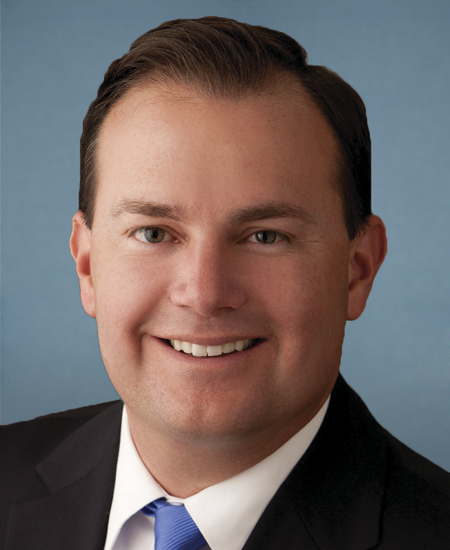
119th Congress Introduced by Mike Lee

Allows NATO-affiliated dredging vessels to operate in U.S. waters, expanding eligible ships for port dredging and streamlining transport rules for dredged material.

Introduced in Senate
0
WeVote Research Nonpartisan
Bill Summary · S 4756

Summary of S.4756 (119th Congress) – Allied Partnership and Port Modernization Act

Purpose and intent

  • The bill aims to facilitate dredging activities in U.S. navigable waters by permitting certain NATO-affiliated vessels to perform dredging work in U.S. ports and waterways.
  • It seeks to expand the pool of eligible dredging vessels by explicitly allowing NATO members and major non-NATO allies to participate in U.S. dredging operations, potentially supporting port modernization and infrastructure projects.

Key provisions and changes

  • Dredging eligibility (46 U.S.C. § 55109)
    • Adds a new subsection (c) that authorizes dredging by NATO-affiliated vessels.
    • A vessel is eligible if it meets all of the following:
    • It is a vessel described in the subsection (2) and meets the criteria below.
    • It is documented under the laws of a NATO member country.
    • It is built by a country that is either a NATO member or a major non-NATO ally (as defined in 10 U.S.C. § 2350a(i)).
    • A majority of the owners and operators of the vessel are entities incorporated in a NATO member country.
  • Dredged material exclusion from transportation requirements
    • Amends 46 U.S.C. § 55110 to explicitly exclude dredged material from certain transportation requirements.
    • The heading is changed to “(excluding dredged material)” and the text is amended accordingly.
    • This provision appears to narrow or clarify regulatory requirements related to transporting dredged material, potentially reducing compliance burdens for dredging projects that involve NATO-affiliated vessels.

Affected entities and scope

  • Eligible vessels: Dredging ships documented to a NATO member country, built in NATO or major non-NATO ally countries, with majority ownership and operation by entities incorporated in NATO countries.
  • Regulatory impact: The changes modify federal dredging statutes to broaden who can conduct dredging work in U.S. waters and adjust related material transportation provisions.
  • Potential beneficiaries: U.S. port authorities, port operators, and infrastructure projects that rely on dredging for deeper channels, harbor expansion, or modernization, who could benefit from a broader pool of capable dredging vessels.

Procedural and timeline aspects

  • Introduced in the Senate on June 11, 2026 by Senator Mike Lee (co-sponsored by Mike Lee).
  • Referred to the Senate Committee on Commerce, Science, and Transportation for consideration.
  • No further actions (as of the bill text provided) beyond initial referral; timeline would depend on committee action and subsequent floor considerations.

Practical implications

  • Policy shift toward greater international collaboration in port infrastructure work by enabling allied vessels to conduct dredging in U.S. waters.
  • Could influence procurement strategies for dredging projects and potentially affect competition among dredging contractors by expanding eligible vessels.
  • The exclusion of dredged material from certain transportation requirements may streamline project logistics and reduce regulatory hurdles for allied-dredging operations.

Compiled from official sources — confirm details with the bill’s official record.

Sign in to ask a question.