

Algorithmic Accountability Act of 2025
The Algorithmic Accountability Act of 2025 mandates companies to assess and disclose algorithm impacts, enhancing transparency and protecting consumers from bias.
The Algorithmic Accountability Act of 2025 aims to enhance transparency and accountability in the use of algorithms and automated decision-making systems. The bill seeks to address concerns regarding bias, discrimination, and lack of oversight in algorithmic processes that can significantly impact individuals and communities.
The bill includes several important provisions designed to regulate the use of algorithms:
Impact Assessments: Companies that deploy algorithms must conduct regular assessments to evaluate the potential impact of their systems on various demographics, particularly focusing on bias and discrimination.
Transparency Requirements: Organizations are required to disclose information about the algorithms they use, including their purpose, data sources, and decision-making processes. This aims to provide users and regulators with a clearer understanding of how algorithms operate.
Accountability Measures: The bill establishes accountability mechanisms for companies that fail to comply with the assessment and transparency requirements. This may include penalties or corrective actions mandated by regulatory bodies.
Public Reporting: Companies must submit annual reports detailing their algorithmic assessments and any identified risks or biases, which will be made available to the public to promote transparency.
Regulatory Oversight: The bill empowers the Federal Trade Commission (FTC) to enforce compliance and oversee the implementation of these provisions, ensuring that companies adhere to the new standards.
The Algorithmic Accountability Act of 2025 will primarily affect:
Technology Companies: Businesses that develop or utilize algorithms for decision-making processes, including those in sectors like finance, healthcare, and social media.
Consumers and Users: Individuals who interact with algorithm-driven services will benefit from increased transparency and reduced risk of discriminatory practices.
Regulatory Bodies: The FTC and other relevant agencies will have expanded roles in monitoring and enforcing compliance with the new regulations.
Introduced: The bill was introduced in the Senate on June 25, 2025.
Legislative Actions: Following its introduction, the bill was read twice and referred to the Committee on Commerce, Science, and Transportation for further consideration.
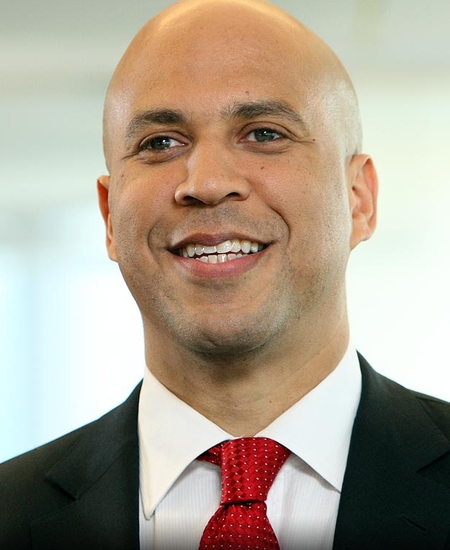
The bill is sponsored by:
The Algorithmic Accountability Act of 2025 represents a significant step towards ensuring that algorithmic systems are used responsibly and ethically. By mandating transparency and accountability, the bill aims to protect consumers from potential harms associated with automated decision-making processes. As the bill progresses through the legislative process, its implications for technology and consumer rights will be closely monitored.
Hi! I'm your AI assistant for S 2164. I can help you understand its provisions, impacts, and answer any questions.
We're glad to see you!
New to WeVote? Claim your Voter Profile now!
Are you an elected rep? Claim account
Join thousands of verified voters to weigh in.
Already have an account? Log in
Are you an elected rep? Claim account
No worries! Enter your email and we'll send you reset instructions.
Remember your password? Back to Login
Your email address has not been confirmed yet. Please check your inbox or request a new confirmation link below.
Didn't receive the email?
Already confirmed? Back to Login
You need to take action to continue.
You're currently in
Joining this room will disconnect you from the current one.
The meeting has ended.