

WeVote

Bill

Bill

SB 3647

ALEXANDER/PULASKI MEDICAL DIST

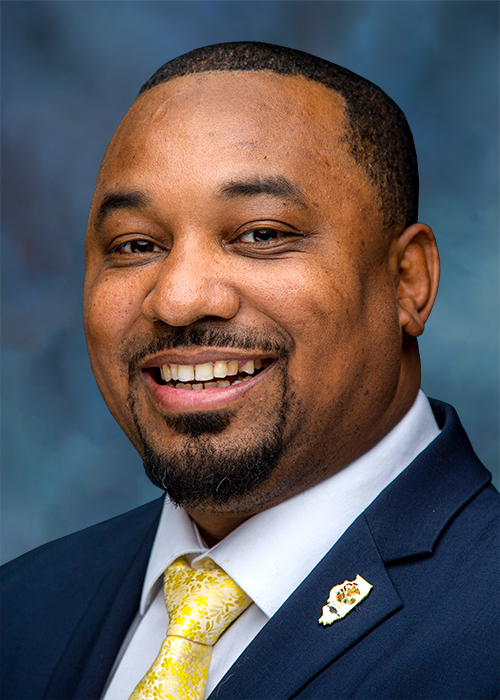
104th Regular Session Introduced by Willie Preston

Creates a designated medical district to expand facilities and services with governance, funding, and coordinated care for residents within the district.

Referred to Assignments
0
WeVote Research Nonpartisan
Bill Summary · SB 3647

Bill Summary: SB 3647 (104th Illinois General Assembly)

Purpose and intent

SB 3647, known as the Alexander/Pulaski Medical District bill, is a measure proposed to create or designate a medical district within a specified portion of Illinois, expand medical services or facilities, and establish governance and funding mechanisms to support the district’s operations and development. The bill is sponsored by with Willie Preston listed as a co-sponsor. The overarching aim appears to be to enhance access to medical care, expand healthcare infrastructure, and coordinate health services within the designated district.

Key provisions and changes proposed

  • Designation/Creation of Medical District: Establishes or formalizes a medical district (referred to as the Alexander/Pulaski Medical District) to concentrate healthcare facilities, services, and related resources in a defined geographic area.
  • Governance and Authority: Sets forth the organizational structure, governance bodies, appointment processes, and powers of the district’s administrators or board. This may include authority to adopt rules, oversee operations, and manage financial matters specific to district facilities and programs.
  • Funding and Financing: Details potential funding mechanisms such as tax increment financing (TIF), special assessments, bonds, public-private partnerships, allocations from state or local revenues, or other district-generated funds to support construction, operations, and service expansion.
  • Facilities and Services: Authorizes or directs the development, expansion, or modernization of medical facilities and related services (e.g., clinics, hospitals, specialty care centers, ambulatory services) within the district. Could include requirements for high-priority service lines or population health initiatives.
  • Coordination with Other Entities: Establishes coordination with local government, health systems, hospitals, clinics, and community organizations to ensure integrated care delivery, workforce development, and community benefits.
  • Reporting and Oversight: Imposes reporting requirements, audits, and accountability measures to ensure fiscal responsibility and program effectiveness.
  • Privatization/Operational Leeway: May grant the district or its administrators certain operational authorities to streamline procurement, construction, and service delivery, subject to statutory constraints and governance policies.

Who would be affected

  • Residents within the designated medical district: Potentially improved access to healthcare services, expanded facilities, and enhanced care coordination.
  • Healthcare providers and facilities: Hospitals, clinics, outpatient centers, and specialty care providers within or willing to operate in the district may be affected by new governance, funding, and regulatory requirements.
  • Local and state government: Involvement in funding, approval processes, oversight, and intergovernmental coordination.
  • Taxpayers and property owners: If financing mechanisms involve district-level taxes, assessments, or bonds, impacted stakeholders may include property owners and local taxpayers.

Procedural and timeline considerations

  • Legislative process: As a bill in the Illinois General Assembly, SB 3647 would undergo committee review, potential amendments, floor debates, and votes in both chambers before any potential enactment.
  • Implementation timeline: The bill would specify effective dates for creation of the district, funding start dates, and any phased implementation schedules. If enacted, authorities would move from designation to operational rollout on defined milestones.
  • Fiscal impact: The bill would likely require fiscal notes assessing anticipated costs, revenue streams, and long-term sustainability, including any effect on municipal budgets or state expenditures.

Notes:
- The provided summary is based on the bill’s title and typical provisions associated with establishing a medical district. For precise language, exact definitions, specific funding mechanisms, targeted service areas, and operative dates, consulting the full text of SB 3647 and accompanying fiscal analyses from the 104th Illinois General Assembly is recommended.

Compiled from official sources — confirm details with the bill’s official record.

Sign in to ask a question.