

WeVote

Bill

Bill

HB 357

Alabama Real Estate Commission; equitable interest transfers, disclosure and licensing requirements, penalties for violations

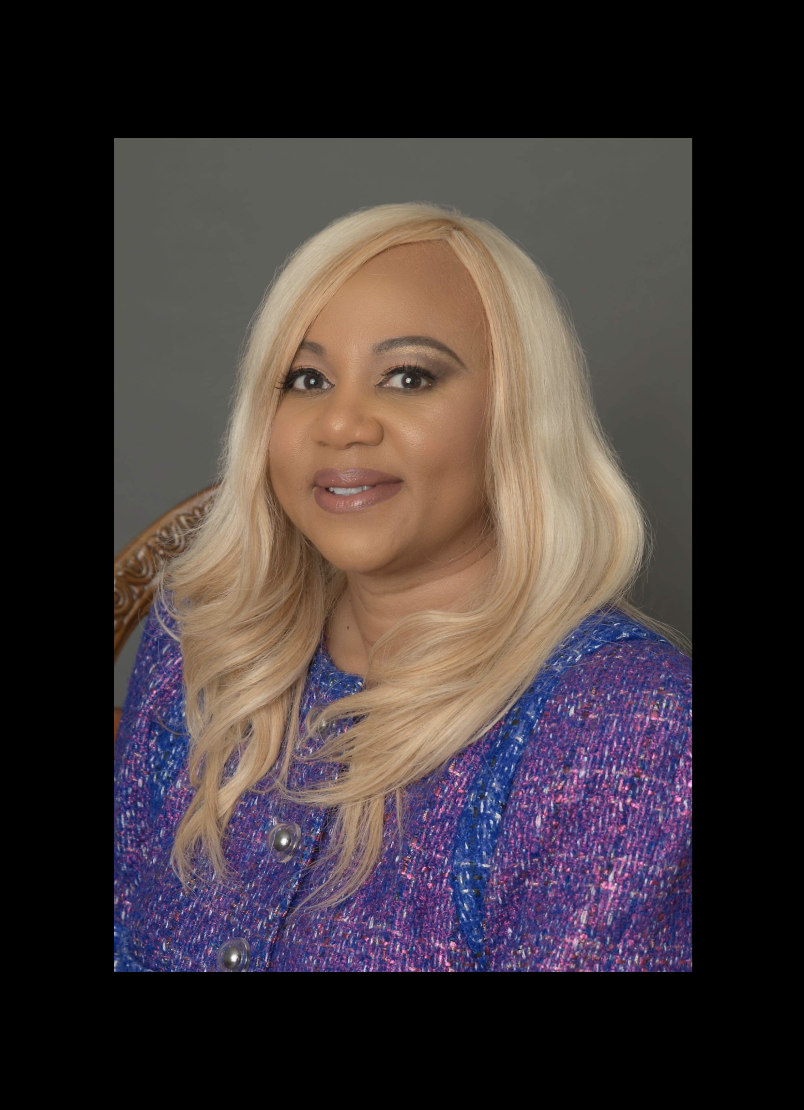
2026 Regular Session Introduced by Rolanda Hollis

HB 357 requires enhanced disclosure of equitable property interests in Alabama real estate transactions and strengthens licensing enforcement with penalties for non-compliance.

Read for the first time and referred to the House Committee on Boards, Agencies and Commissions
0
WeVote Research Nonpartisan
Bill Summary · HB 357

Legislative bill overview

HB 357 modifies Alabama's real estate licensing and transaction regulations by establishing new requirements for disclosing equitable interests in property transfers and imposing stricter licensing standards. The bill creates penalties for real estate professionals and entities that fail to comply with these enhanced disclosure and licensing requirements.

Why is this important

Equitable interest transfers—where someone gains rights to property without holding title—are often opaque transactions that can facilitate fraud, tax evasion, or exploitation. Strengthening disclosure requirements and enforcement mechanisms protects consumers and ensures legitimate real estate professionals compete on a level playing field while generating clearer property records for public confidence.

Potential points of contention

  • Disclosure burden: Real estate agents and title companies may argue that expanded equitable interest documentation increases transaction costs and administrative complexity, potentially slowing deals
  • Definition ambiguity: The bill's specific criteria for what constitutes reportable "equitable interests" may be unclear, creating compliance uncertainty and litigation risk
  • Penalty severity: Depending on how penalties are structured, they could be viewed as disproportionately harsh or insufficiently deterrent by different stakeholder groups

Compiled from official sources — confirm details with the bill’s official record.

Sign in to ask a question.