

Bill

BILL • US HOUSE

HR 2607

AFRIKANER Act

119th Congress
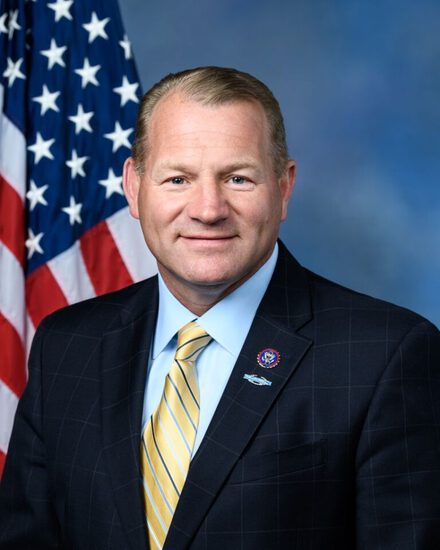
Introduced by Troy Nehls,

HR 2607 proposes asylum and refugee resettlement options for farmers affected by crises; text not released, status introduced in House, awaiting committee action.

Introduced in House
0
0
Bill Summary • HR 2607

Summary of HR 2607 — AFRIKANER Act

Overview

  • Bill number and title: HR 2607, the Asylum for Farmers and Refugees In Krsis And Necessary Emigration Resettlement Act, commonly referred to as the AFRIKANER Act.
  • Short citation: This Act may be cited as the AFRIKANER Act.
  • Status: Introduced in the U.S. House of Representatives.
  • Introduced: April 2, 2025.
  • Sponsor: Troy E. Nehls (primary sponsor).

Legislative Actions

  • Referred to: House Committee on the Judiciary (April 2, 2025).
  • Introduced in House: Same date (April 2, 2025).

What the bill seeks to do (based on available information)

  • The material provided includes only the bill’s title and citation, with no substantive text or section-by-section provisions. Therefore,:
    • A precise statement of the bill’s policy goals, programs, eligibility criteria, funding, regulatory framework, enforcement mechanisms, or administrative structure cannot be determined from the supplied content.
    • The title suggests a potential focus on asylum or resettlement related to farmers and refugees amid crises and emigration circumstances, but no specifics are available.

What is known about the bill’s scope (inferred from title, with caveats)

  • Because the text of the bill is not included in the provided material, any interpretation of programs such as asylum eligibility, refugee resettlement funding, border or interior operations, or relationships to existing immigration statutes would be speculative.
  • The acronym AFRIKANER, as used in the title, is a chosen designation for the act, but no definitional or operational details are provided.

Affected parties and potential impacts (qualitative, with caveats)

  • Potentially affected groups could include:
    • Farmers and agricultural workers seeking asylum or resettlement options.
    • Refugees or émigrés connected to crises referenced in the bill’s title.
    • Agencies involved in immigration, refugee assistance, and resettlement (if the bill proceeds to define programs and funding).
  • Without the bill’s text, it is not possible to specify who would administer programs, how eligibility would be determined, what funding would be authorized, or what timelines would apply.

Procedural and timeline considerations

  • Next steps in the legislative process (generic):
    • Committee discussion and potential markup in the House Judiciary Committee.
    • If approved by the committee, movement to floor consideration for debate and a vote.
    • If passed by the House, transmission to the Senate for consideration (subject to Senate actions).
    • If concurrent passage is achieved, potential conference to reconcile differences, followed by presidential action.
  • The bill’s fate depends on committee action, floor votes, and broader legislative priorities.

Note for readers

  • The summary reflects only the information provided. For a thorough analysis, the full text of HR 2607 would be required to detail provisions, funding, definitions, timelines, enforcement, and implementation mechanisms. If you can share the bill’s text, I can prepare a comprehensive, section-by-section summary.

Hi! I'm your AI assistant for HR 2607. I can help you understand its provisions, impacts, and answer any questions.

Key Provisions Impacts Timeline
Sign in to chat