

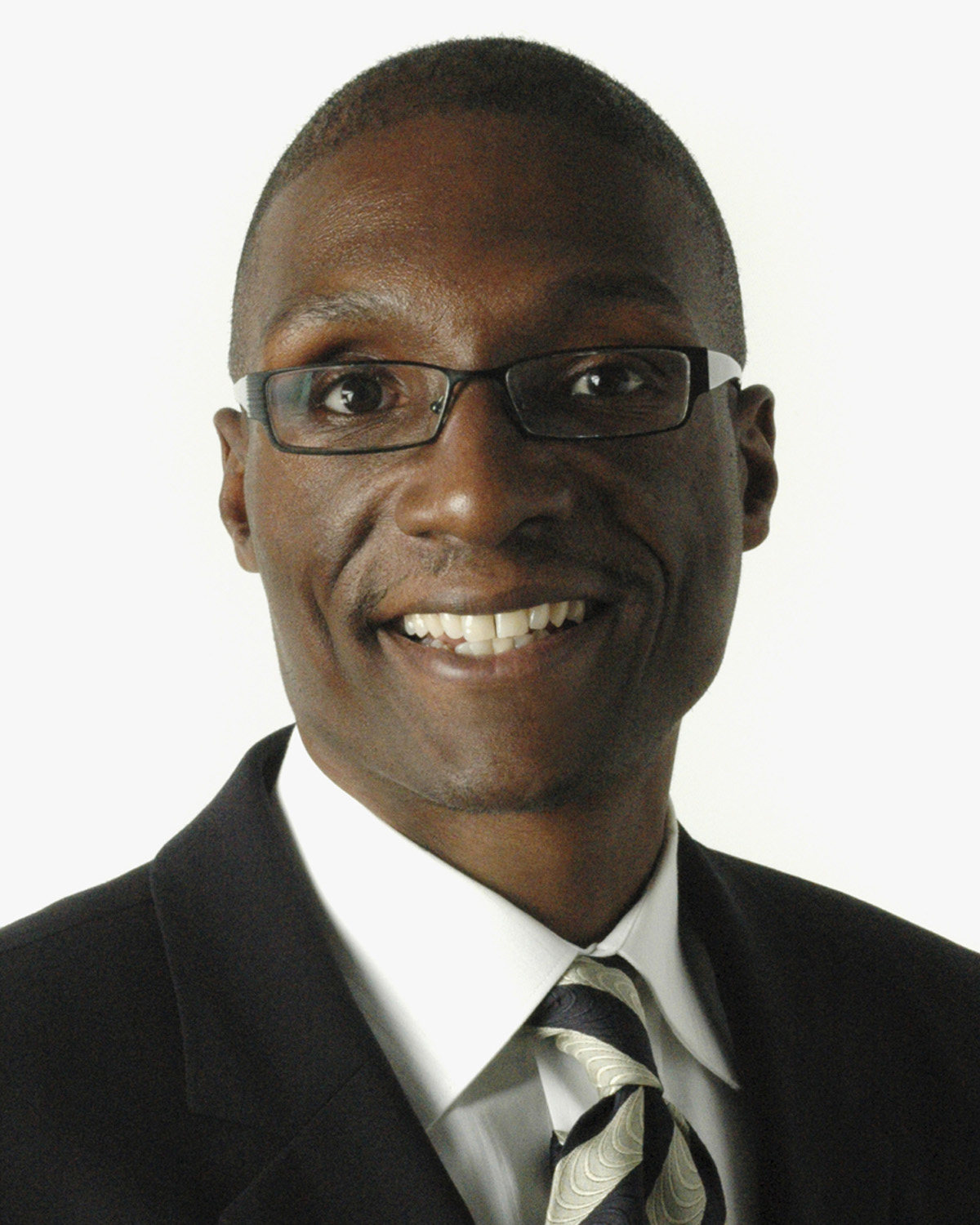
WeVote

Bill

Bill

SF 3300

African American Child Well-Being Advisory Council reports modifications and child protection workers, child welfare technology improvements, and Family First Prevention Services Act grants appropriations

2025-2026 Regular Session Introduced by Bobby Joe Champion

Minnesota funds child welfare technology, hires child protection staff, and establishes an African American advisory council to address racial disparities in child welfare outcomes.

Referred to Health and Human Services
0
WeVote Research Nonpartisan
Bill Summary · SF 3300

Legislative bill overview

SF 3300 establishes an African American Child Well-Being Advisory Council to guide child protection policy and appropriates funding for child welfare worker improvements and technology systems. The bill also allocates grants to support implementation of the Family First Prevention Services Act, which emphasizes preventing child removal through family support services rather than out-of-home placement.

Why is this important

African American children are disproportionately represented in Minnesota's child welfare system at higher rates than their percentage of the population, creating documented disparities in outcomes. This bill addresses systemic inequities by centering African American perspectives in policy decisions while simultaneously modernizing infrastructure and expanding prevention-focused services that research shows reduce unnecessary family separations.

Potential points of contention

  • Advisory council scope and authority: Questions about whether the council will have advisory-only powers or decision-making authority, and whether recommendations must be acted upon by agencies
  • Funding allocation and adequacy: Debate over whether appropriated amounts sufficiently address both technology modernization and workforce development needs, or if resources are stretched too thin
  • Implementation of Family First Act: Concerns about whether prevention services grants will actually reduce out-of-home placements or if systemic barriers and worker capacity constraints will limit effectiveness

Compiled from official sources — confirm details with the bill’s official record.

Sign in to ask a question.