

WeVote

Bill

Bill

HR 956

Aerial Firefighting Enhancement Act of 2025

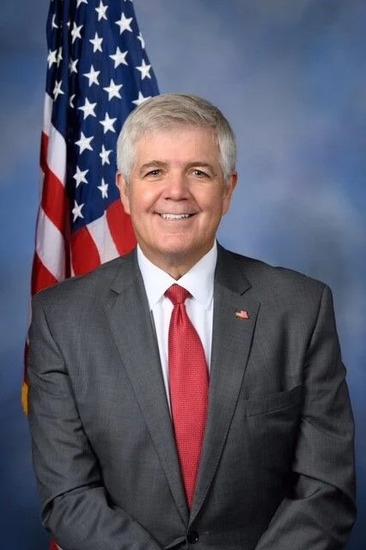
119th Congress Introduced by Cliff Bentz and 15 co-sponsors

The Aerial Firefighting Enhancement Act of 2025 boosts funding, training, and coordination for aerial firefighting, improving wildfire response and community safety.

Referred to the Subcommittee on Forestry and Horticulture.
0
WeVote Research Nonpartisan
Bill Summary · HR 956

Summary of HR 956: Aerial Firefighting Enhancement Act of 2025

Purpose and Intent

The Aerial Firefighting Enhancement Act of 2025 aims to improve the effectiveness and efficiency of aerial firefighting operations in the United States. The bill recognizes the increasing frequency and severity of wildfires and seeks to enhance the resources and capabilities available for aerial firefighting efforts.

Key Provisions

While the specific text of the bill is not provided, the following key provisions are typically expected in legislation of this nature:

  • Funding Allocation: The bill may propose increased funding for the procurement and maintenance of aerial firefighting equipment, including aircraft and support systems.

  • Research and Development: It could include provisions for research into new technologies and methods for aerial firefighting, potentially involving partnerships with private sector companies and research institutions.

  • Training Programs: The legislation may call for enhanced training programs for pilots and support personnel involved in aerial firefighting operations.

  • Interagency Coordination: The bill likely emphasizes the need for improved coordination among federal, state, and local agencies involved in wildfire management and response.

  • Environmental Considerations: Provisions may be included to ensure that aerial firefighting practices consider environmental impacts, particularly in sensitive ecosystems.

Affected Parties

The bill would primarily impact:

  • Federal and State Firefighting Agencies: Agencies responsible for wildfire management would benefit from enhanced resources and capabilities.

  • Local Fire Departments: Local firefighting units may receive support through training and equipment, improving their response to wildfires.

  • Communities at Risk: Areas prone to wildfires would see improved protection measures, potentially reducing property damage and loss of life.

  • Aviation Industry: Companies involved in the manufacturing and maintenance of firefighting aircraft may experience increased demand for their services.

Legislative Process and Timeline

  • Introduced: February 04, 2025
  • Referred to Committees: The bill was initially referred to the Committee on Oversight and Government Reform, as well as the Committees on Armed Services and Agriculture for consideration.
  • Subcommittee Referral: On March 07, 2025, the bill was referred to the Subcommittee on Forestry and Horticulture for further examination.

Sponsors

The bill is sponsored by Dan Newhouse and has a diverse group of 14 cosponsors, including notable figures such as:

  • Ryan K. Zinke
  • Josh Harder
  • Doug LaMalfa
  • Russ Fulcher
  • Jake Ellzey
  • Sara Jacobs
  • Andy Biggs
  • Salud O. Carbajal
  • Michael K. Simpson
  • David G. Valadao
  • Cliff Bentz
  • Melanie A. Stansbury
  • Gabe Vasquez
  • Troy Downing

Related Legislation

HR 956 has a companion bill, S 160, which is likely being considered in the Senate, indicating bipartisan interest in enhancing aerial firefighting capabilities.

This summary provides an overview of the Aerial Firefighting Enhancement Act of 2025, outlining its purpose, key provisions, affected parties, and legislative progress. As the bill moves through the legislative process, further details will emerge that may clarify its specific impacts and implementations.

Compiled from official sources — confirm details with the bill’s official record.

Sign in to ask a question.