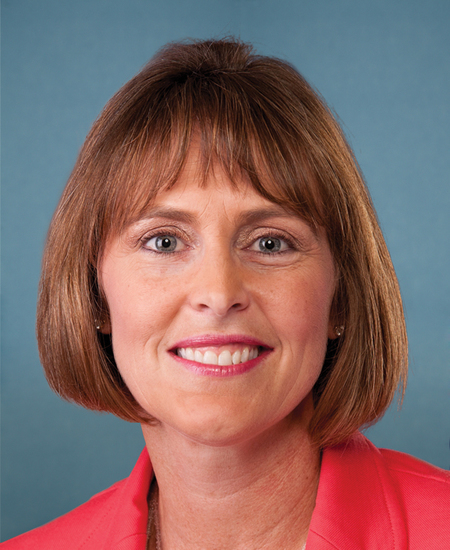
Summary of HR 8651 — Advancing Safe Medications for Moms and Babies Act of 2026
Jurisdiction: United States | Session: 119th Congress | Introduced: May 4, 2026
Proposed by: Representative Castor (with Representatives Fitzpatrick and Underwood as sponsors)
Purpose of the Bill
- To implement recommendations aimed at promoting the inclusion of pregnant and lactating women in clinical research, and to advance related education, prioritization, and oversight efforts across federal agencies.
Key Provisions
1) Updating FDA Regulations to Include Pregnant Women in Clinical Trials
- Section established as a central objective:
- Harmonize and align Federal regulations governing human subject protection (as they pertain to clinical trials) with the regulatory framework that supports inclusion of pregnant women.
- Specific actions:
- The Secretary of Health and Human Services (DHHS), via the FDA Commissioner, shall issue regulations to harmonize FDA human-subject protection regulations (21 C.F.R. parts 50 and 56) with DHHS regulations on including pregnant women in clinical research.
- Timeline:
- Finalization of these harmonizing regulations required within 180 days after enactment.
2) Raising Awareness of Research that Includes Pregnant and Lactating Women
- Education campaign:
- The Secretary, in coordination with heads of relevant Federal agencies (including CDC and NIH), must establish and implement an education campaign.
- Target audiences include patients, families, health care providers, and other stakeholders.
- Campaign goals:
- Explain benefits of including pregnant and lactating women in clinical research.
- Highlight registries and clinical trials that include this population.
- Explain the role of postmarket surveillance and registries.
- Provide information on how to identify and enroll in trials or registries.
- Stakeholder consultation:
- Input from organizations focusing on women’s and infants’ health, medical societies, industry representatives, and other relevant groups.
- Planning and dissemination:
- Needs assessment to identify barriers, target audiences, resource needs, and messaging strategies (including risk communication).
- Public-facing website with campaign materials, updated regularly.
- Website must provide information on trials/registries and a user-friendly interface for stakeholders.
- Funding:
- Authorization of appropriations of $5,000,000 annually for fiscal years 2027 through 2031 to support this campaign.
3) NIH NICHD Research Prioritization Process for Pregnant and Lactating Women
- Research prioritization and funding:
- The NIH Director, through NICHD, will oversee priority research projects on drugs prescribed to pregnant and lactating women.
- Establish a formal prioritization process to determine which proposed projects receive funding priority.
- Prioritization factors (summary):
- Existing evidence and unmet medical needs in specific diseases/conditions affecting pregnant or lactating women.
- Feasibility of research (disease prevalence, availability of investigators).
- Potential impact (severity, current treatment costs, drug usage frequency, availability of alternatives).
- Consultation and collaboration:
- Input from NICHD networks, relevant medical societies, and organizations with expertise in maternal/infant health.
- Research standards:
- Projects must be conducted by appropriately qualified researchers.
- Findings must be based on the best available peer-reviewed evidence.
- Public involvement:
- The Secretary must provide an opportunity for public comment on the program.
- Accountability and oversight:
- A work plan must be submitted to Congress within 180 days of enactment, outlining funding priorities and the development of the prioritization process.
- Annual reporting due by October 1 for the next five fiscal years, detailing:
- Amount obligated/expend per priority project.
- Descriptions and rationales for prioritization decisions.
- Authorization of appropriations:
- Several sums authorized as necessary for fiscal years 2027–2031 to support the NICHD research priorities.
Who Is Affected
- Pregnant and lactating women and their infants (through inclusion in trials and safety data).
- Patients, families, and healthcare providers seeking information on trials and registries.
- Federal agencies: DHHS, FDA, NIH, NICHD, CDC, and related agencies involved in clinical research, drug safety, and maternal/child health.
- Researchers and medical researchers specializing in obstetrics, maternal-fetal medicine, pediatrics, pharmacology, and related fields.
- Industry stakeholders involved in drug development and postmarket surveillance.
Procedural and Timeline Aspects
- Regulatory Harmonization:
- Final regulations harmonizing FDA human-subject protections with pregnancy-inclusion rules to be issued within 180 days of enactment.
- Education Campaign:
- Campaign planning and needs assessment to occur promptly, with ongoing dissemination via a public website.
- Five-year funding window: $5 million/year from FY2027–FY2031.
- Research Prioritization:
- NICHD-led process to be established, with an initial work plan due 180 days after enactment.
- Annual reports due by October 1 for the five fiscal years following enactment.
- Ongoing appropriations to support priority research through FY2031 and beyond as needed.
Notes
- The bill emphasizes inclusivity in clinical research, aiming to fill gaps in data about medications used by pregnant and lactating women.
- It structures regulatory, educational, and research-prioritization actions within existing federal agencies with explicit deadlines and reporting requirements.