

WeVote

Bill

Bill

HR 9585

Advancing American Quantum Leadership Act of 2026

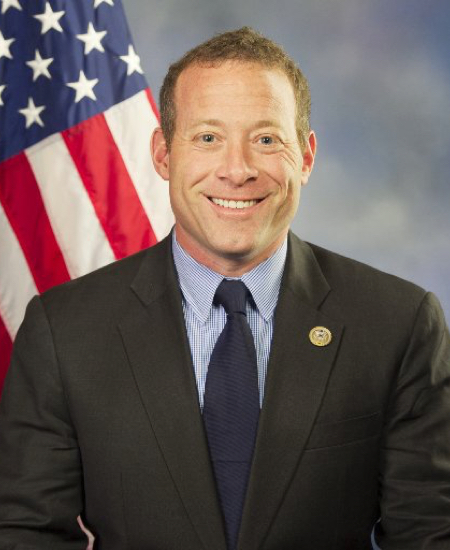
119th Congress Introduced by Josh Gottheimer and 1 co-sponsor

The bill aims to boost U.S. leadership in quantum tech by coordinating federal R&D, funding, and workforce programs to accelerate development, standards, and competitiveness.

Introduced in House
0
WeVote Research Nonpartisan
Bill Summary · HR 9585

Summary of HR 9585 (119th Congress) – Advancing American Quantum Leadership Act of 2026

Purpose and intent

  • The bill is designed to bolster the United States’ leadership in quantum information science and technology. Its stated aim is to strengthen national quantum research, development, and industrial competitiveness, and to support workforce development and strategic capabilities in quantum-related sectors.

Key provisions and changes

  • Investment and coordination:
    • Proposes federal support and coordination across agencies to advance quantum research, development, and commercialization.
    • Seeks to align funding and programs with national priorities in quantum information science.
  • Research and development funding:
    • Establishes or enhances funding streams for quantum R&D, including potential grants, cooperative agreements, or research initiatives.
    • Encourages public-private partnerships to accelerate technology transfer and practical applications.
  • Workforce development:
    • Emphasizes training and education to grow the quantum workforce, including opportunities for students, researchers, and industry professionals.
    • May include scholarships, fellowships, internships, or training programs aligned with quantum tech sectors.
  • International competitiveness and security:
    • Aims to preserve U.S. leadership while potentially addressing export controls, supply chain resilience, and national security considerations in quantum technology.
  • Public awareness and standards:
    • May call for development of standards, metrics, and benchmarks for quantum technologies to support interoperability and market adoption.
  • Federal coordination:
    • Encourages interagency collaboration to reduce duplication, share data, and streamline administrative processes related to quantum initiatives.

Who or what would be affected

  • Federal agencies involved in science, technology, and national security (e.g., those funding or regulating quantum research and products).
  • Universities and national laboratories engaged in quantum information science.
  • Private sector companies and startups working on quantum computing, quantum communications, quantum sensing, and related hardware/software.
  • Researchers, students, and workforce participants in quantum-related fields.
  • Potential beneficiaries of new funding opportunities, grants, and partnerships for quantum projects.

Procedural and timeline aspects

  • The bill was introduced in the House and referred to the House Committee on Financial Services as of July 2, 2026.
  • Co-sponsors include Josh Gottheimer and Mike Lawler, indicating bipartisan interest in quantum leadership within the sponsor community.
  • As a committee-referred bill, its progression depends on committee action (markup, amendments) and subsequent House floor consideration, followed by potential Senate action and presidential signature or veto.

Potential impact (high-level)

  • If enacted, the bill could shape the allocation of federal funds toward quantum R&D and related workforce programs.
  • It may influence how federal agencies coordinate on quantum initiatives, affecting speed to market, standards development, and international competitiveness.
  • The emphasis on workforce development could expand training opportunities and career pathways in quantum technologies.

Note: This summary reflects the bill’s described objectives and publicly available procedural status. Specific text, provisions, funding levels, and authorization details would be clarified in the bill’s actual language and any amendments adopted during committee consideration.

Compiled from official sources — confirm details with the bill’s official record.

Sign in to ask a question.