

WeVote

Bill

Bill

S 4988

Advanced Coursework Equity Act

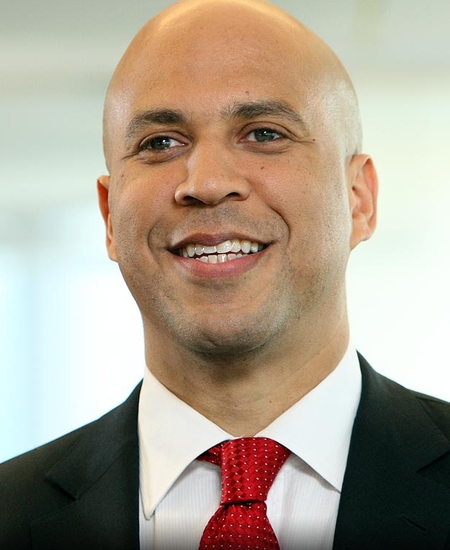
119th Congress Introduced by Cory Booker and 2 co-sponsors

The bill aims to expand access to advanced coursework (AP/IB/dual enrollment) for historically underserved students to boost college readiness and degree attainment.

Introduced in Senate
0
WeVote Research Nonpartisan
Bill Summary · S 4988

Overview

S. 4988, the Advanced Coursework Equity Act, is a United States Senate bill introduced in the 119th Congress. The bill aims to expand access to advanced coursework for students, with a focus on promoting equity in opportunities to enroll in high-level classes and earn college-credit coursework while in high school. It has three confirmed co-sponsors: Chris Van Hollen, Dick Durbin, and Cory Booker. The measure was introduced and referred to the Senate Committee on Health, Education, Labor, and Pensions (HELP) on July 15, 2026.

Purpose and Intent

  • To increase student access to advanced coursework (such as AP, IB, dual enrollment, and other college-level coursework) for historically underserved and underrepresented student groups.
  • To reduce barriers that prevent broad participation in rigorous coursework, with a goal of improving college readiness, higher education attainment, and longer-term economic outcomes.
  • To provide a framework for equity-focused expansion of advanced coursework offerings across schools and districts.

Key Provisions and Changes (high-level)

Note: The exact statutory language is not provided here, but the bill’s title and sponsor intent indicate the following typical elements commonly included in similar legislation:

  • Funding provisions to support schools in expanding advanced coursework access (could include federal grants, formula funding, or competitive grants).
  • Requirements or incentives for states, districts, or schools to adopt policies that promote enrollment of diverse student populations in advanced coursework.
  • Support for teacher qualifications and professional development to deliver rigorous coursework effectively.
  • Mechanisms to reduce barriers such as course availability, scheduling, transportation, and financial costs (e.g., fees, exam costs).
  • Data collection and reporting requirements to monitor participation and outcomes by student demographics (race/ethnicity, income, English learner status, disability, gender).
  • Accountability or performance metrics tied to program effectiveness, with potential demonstrations of impact on course-taking diversity, AP/IB pass rates, and college readiness.
  • Provisions to ensure alignment with college credit eligibility and to facilitate transfer of credits earned through advanced coursework to postsecondary institutions.

Who would be Affected

  • Students in K–12 schools, particularly those from historically underserved or underrepresented groups who may have limited access to advanced coursework.
  • School districts and schools aiming to expand or implement advanced coursework programs.
  • Educators and administrators responsible for offering AP, IB, dual enrollment, or other college-level courses.
  • Families covering the cost of examinations or enrollment in advanced coursework (potentially impacted if new funding or cost-reduction measures are included).
  • State and local education agencies responsible for policy implementation and reporting.

Procedural and Timeline Aspects

  • Introduction and referral: Introduced in the Senate and assigned to the Committee on Health, Education, Labor, and Pensions.
  • Expected progress: The bill will proceed through committee consideration, potential markup, and, if approved, move to other legislative stages (floor consideration, possible reconciliation with companion measures in the House, etc.).
  • Timelines: Specific funding cycles, grant application windows, and reporting deadlines would be defined in the final text or accompanying committee reports.

Potential Impacts and Considerations

  • Equity: By expanding access, the bill seeks to close gaps in participation in advanced coursework across student demographics.
  • College readiness: Increased exposure to rigorous coursework could improve readiness for college-level work and persistence.
  • Resource needs: Implementation may require funding for teacher recruitment/training, course capacity, and student support services.
  • Data and accountability: Focus on measuring participation and outcomes could influence district planning and policy decisions.

Notes

  • This summary reflects the information available from the bill’s title, sponsors, and stated action history. The exact statutory language will determine precise definitions, funding levels, eligibility criteria, and implementation details.

Compiled from official sources — confirm details with the bill’s official record.

Sign in to ask a question.