

WeVote

Bill

Bill

HR 3919

Advanced AI Security Readiness Act

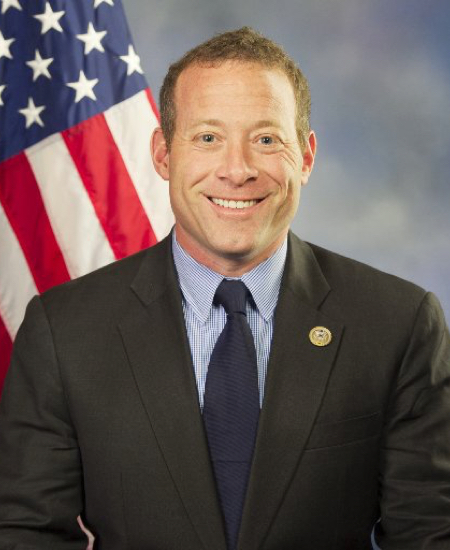
119th Congress Introduced by Josh Gottheimer and 4 co-sponsors

The Advanced AI Security Readiness Act creates a task force to assess AI risks, enhance security measures, and foster collaboration between government and industry.

Introduced in House
0
WeVote Research Nonpartisan
Bill Summary · HR 3919

Summary of HR 3919: Advanced AI Security Readiness Act

Bill Number: HR 3919
Introduced On: June 11, 2025
Status: Introduced in House
Classification: Bill

Purpose and Intent

The Advanced AI Security Readiness Act aims to enhance the United States' preparedness for the security challenges posed by advanced artificial intelligence (AI) technologies. The bill seeks to establish a framework for assessing and mitigating risks associated with AI, ensuring that both public and private sectors are equipped to handle potential threats.

Key Provisions

  1. Establishment of an AI Security Task Force:

    • The bill proposes the creation of a task force within the Department of Homeland Security (DHS) dedicated to AI security.
    • This task force will be responsible for evaluating AI technologies and their implications for national security.
  2. Risk Assessment Framework:

    • The task force will develop a comprehensive risk assessment framework to identify vulnerabilities in AI systems.
    • This framework will guide organizations in implementing best practices for AI security.
  3. Collaboration with Industry:

    • The bill emphasizes collaboration between government agencies and private sector stakeholders to share information and resources related to AI security.
    • It encourages partnerships to foster innovation while maintaining security standards.
  4. Funding for Research and Development:

    • HR 3919 allocates funding for research initiatives aimed at improving AI security measures.
    • This funding will support projects that focus on developing secure AI technologies and countermeasures against malicious uses of AI.
  5. Reporting Requirements:

    • The task force will be required to submit annual reports to Congress detailing the state of AI security, emerging threats, and recommendations for policy improvements.

Who Would Be Affected

  • Government Agencies: The Department of Homeland Security and other federal entities will be directly involved in implementing the provisions of the bill.
  • Private Sector: Companies developing or utilizing AI technologies will need to adhere to the new security guidelines and collaborate with the task force.
  • Research Institutions: Organizations engaged in AI research may benefit from funding opportunities aimed at enhancing AI security.

Procedural and Timeline Aspects

  • Introduced: The bill was introduced in the House on June 11, 2025.
  • Committee Referral: It has been referred to the House Committee on Intelligence (Permanent Select) for further consideration.

Conclusion

The Advanced AI Security Readiness Act represents a proactive approach to addressing the security challenges posed by rapidly evolving AI technologies. By establishing a dedicated task force and promoting collaboration between government and industry, the bill aims to safeguard national security while fostering innovation in AI. As the bill progresses through the legislative process, its implications for AI security will be closely monitored by stakeholders across various sectors.

Compiled from official sources — confirm details with the bill’s official record.

Sign in to ask a question.