

WeVote

Bill

Bill

LB 912

Adopt the Community Health Worker Training Endorsement Act, the Athletic Trainer Compact, and the Respiratory Care Interstate Compact, change provisions relating to child care licensing and the practice of athletic training, respiratory care, massage therapy, medical radiography, nurse practitioners, pharmacy, and pharmacists, provide for liens for physical therapy services and automated pickup kiosks for certain prescription medication, and eliminate provisions relating to physician liability for physician assistants

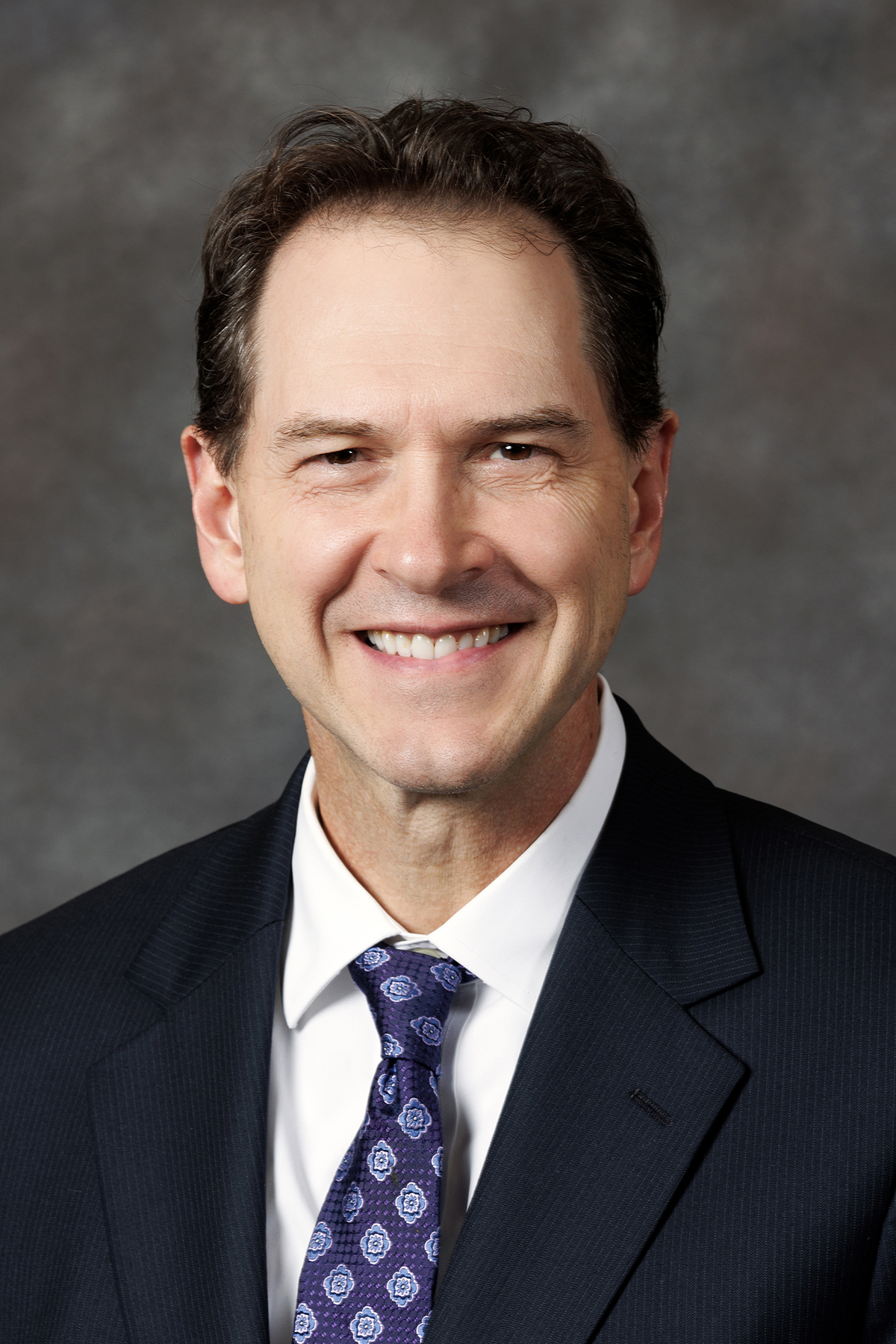
109th Legislature (2025-2026) Introduced by Brian Hardin

Nebraska establishes formal training endorsement requirements for Community Health Workers to standardize qualifications and improve healthcare access in underserved communities.

Presented to Governor on April 10, 2026
0
WeVote Research Nonpartisan
Bill Summary · LB 912

Legislative bill overview

LB 912 establishes a formal training endorsement program for Community Health Workers (CHWs) in Nebraska. The bill creates standardized qualifications and certification pathways for individuals who provide health education, outreach, and support services within their communities, particularly in underserved populations.

Why is this important

Community Health Workers fill critical gaps in healthcare delivery by serving as cultural and linguistic bridges between patients and the healthcare system. Formalizing their training and endorsement could improve healthcare outcomes in rural and underserved areas while creating economic opportunities for workers entering this field. However, this also represents expanded state regulation of a workforce that has historically operated with minimal formal requirements.

Potential points of contention

  • Workforce access vs. credentialing burden: Stricter training requirements could improve quality but may reduce the pool of eligible candidates, particularly in rural areas where CHWs are most needed
  • Cost and funding: Who bears the expense of standardized training—workers, employers, health systems, or the state—remains unclear and could affect program viability and equity
  • Scope of practice definition: The bill must clearly delineate what CHWs can and cannot do to avoid conflicts with licensed healthcare providers while preserving CHWs' distinctive community-based role

Compiled from official sources — confirm details with the bill’s official record.

Sign in to ask a question.