

WeVote

Bill

Bill

A 5099

Adds xylazine to the depressants designated as controlled substances

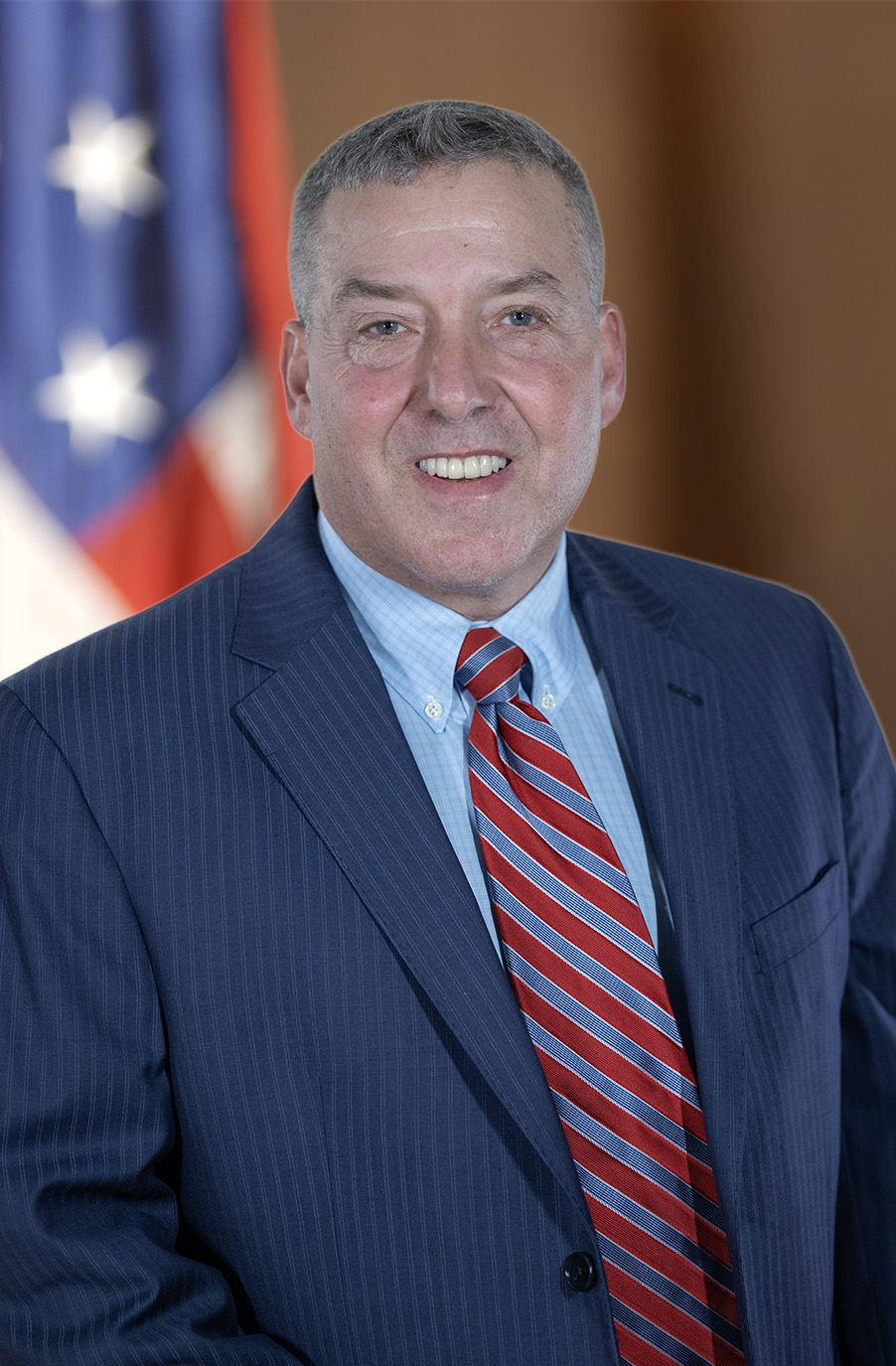
2025 Regular Session Introduced by Scott Bendett and 25 co-sponsors

Launches a three-year, school-based mentoring pilot for K-3 in crisis zones to boost social-emotional skills and behavior with weekly 25-minute, 1-on-1 sessions.

REFERRED TO HEALTH
0
WeVote Research Nonpartisan
Bill Summary · A 5099

Summary of Bill A 5099

Note on title vs. content: The bill’s formal title in your brief states “Adds xylazine to the depressants designated as controlled substances.” However, the introduced version content provided here describes a school-based mentoring pilot program in crisis zones and does not address controlled substances. The summary below reflects the introduced text as published, focusing on the mentoring program. If you need a summary strictly aligned to a “xylazine” control provision, please share the correct text.

What the bill would do (Introduced Version)

  • Purpose: Establish a three-year pilot program for school-based mentoring in public schools located in “crisis zones” to strengthen social-emotional and behavioral skills of young children in kindergarten through third grade who are at risk for mental health disorders and substance abuse. The program aims to improve task orientation, behavior control, assertiveness, and peer social skills.

  • Crisis zone: Defined as an area within 1,000 feet of school property where gunfire occurred in the prior school year.

  • Participating districts: The Commissioner of Education would select the Jersey City School District and six additional districts with schools in crisis zones, with the additional districts including two districts in each region (southern, central, northern).

  • Curriculum and format: The Commissioner would adopt a curriculum with hierarchically ordered skill trainings delivered in weekly, 25-minute one-on-one sessions. The focus areas include:

    • Monitoring own and others’ emotions
    • Building resilience and coping with complex emotions
    • Maintaining control and equilibrium
  • Grants: The Commissioner could grant funds to participating districts to aid program implementation.

How the program would operate in schools

  • Mentors: Each participating school must designate and train three to five mentors, with each mentor working with no more than 20 students.
  • Student identification: Schools would identify students who have problems in at least two of these areas: behavioral development, social-emotional development, and on-task learning abilities.
  • Delivery: Schools would implement the Commissioner's curriculum in a slow, sequential manner to ensure absorption and practice of new skills in the classroom.
  • Evaluation: Students would be evaluated at the beginning, midpoint, and completion in:
    • Recent disciplinary referrals and actions
    • Task orientation
    • Behavior control
    • Assertiveness versus withdrawn behavior
    • Peer social skills

Oversight, reporting, and timeline

  • Reporting on statewide feasibility: At the conclusion of the three-year pilot, the Commissioner must report to the Governor and to the Legislature on the feasibility of expanding the program statewide.
  • Effective date: The act takes effect immediately.
  • Legislative actions and status: Introduced in the Assembly on 2024-12-12, referred to Assembly Education, then referred to Health on 2025-02-12. Related companion bills exist (e.g., S 1777; S 4676).

Who is affected

  • Students in kindergarten through third grade in participating public schools located in crisis zones.
  • Public school districts within the Jersey City area and six additional districts designated by the Commissioner.
  • School staff involved in mentoring (three to five mentors per participating school) and district administrators overseeing the program.

Key details and context

  • Model reference: The bill states it is modeled on the Rochester Resilience Project, which reportedly yielded positive results in improving emotional regulation among at-risk children through targeted mentoring.

Sponsors and related bills

  • Primary sponsor: Steve Stern; numerous cosponsors listed.
  • Related legislation: Companion bills include S 1777 and S 4676; prior-session A 8395 (and related S counterparts).

If you’d like, I can reframe this into a plain-language brief for policymakers or educators, or compare it to existing mentoring programs and evidence from the Rochester Resilience Project.

Compiled from official sources — confirm details with the bill’s official record.

Sign in to ask a question.