

WeVote

Bill

Bill

HB 954

Address the regulation of renewable biomass

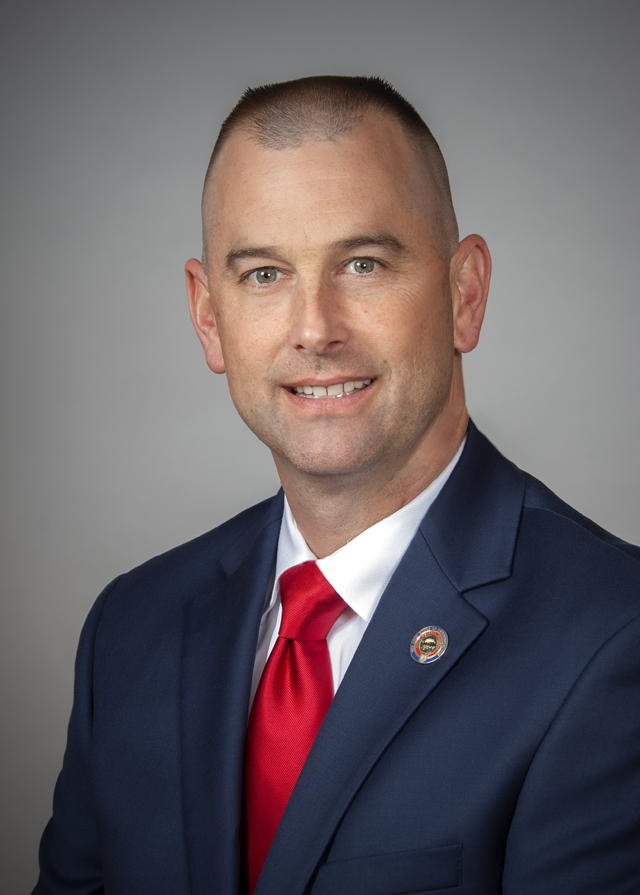
136th Legislature (2025-2026) Introduced by Kevin Miller

Establishes a regulatory framework to define renewable biomass, advanced recycling, mass balance attribution, and third-party certification for products and processes in Ohio.

Referred to committee
0
WeVote Research Nonpartisan
Bill Summary · HB 954

Overview

HB 954 (House Bill No. 954) from the 136th Ohio General Assembly plans to regulate renewable biomass and related advanced recycling activities. The bill would amend and then repeal existing definitions in the Revised Code (specifically sections 125.091 and 3734.01) to introduce a comprehensive framework for renewable biomass, biobased products, advanced recycling, and associated waste management concepts.

Main purpose and intent

  • Establish a formal definition and regulatory framework for renewable biomass and biobased products.
  • Create a structured set of terms related to advanced recycling (including pyrolysis, gasification, depolymerization, solvolysis, etc.) and their relationship to waste management, recycling, and the generation of renewable chemicals and recycled products.
  • Differentiate between legitimate recycling, advanced recycling, and various waste facilities, with specific rules for storage, disposal, and mass balance attribution.
  • Align Ohio law with broader concepts of sustainable biomass use, renewable chemicals, and third-party certification for mass balance tracking.

Key provisions and changes

  • Definitions added or clarified (Sec. 125.091):

    • Agricultural materials; biobased products; biological products; designated item; forest thinnings; forestry materials; intermediate ingredient or feedstock; renewable biomass (including both national forest/public lands byproducts and nonfederal/tribal lands); sustainably managed forests; and more.
    • Detailed categories for renewable biomass sources: national forest system byproducts from preventive treatments, and organic matter from nonfederal/tribal lands (including renewable plant material and various wastes).
    • Expanded definition of “beneficial use,” post-use polymers, recovered feedstocks, advanced recycling, recycled products, mass balance attribution, and related terms (pyrolysis, gasification, depolymerization, solvolysis, etc.).
    • Distinctions among advanced recycling facilities, legitimate recycling facilities, and other solid waste facilities.
    • New regulatory concepts for mass balance attribution and third-party certification systems (e.g., mass attribution to advanced recycling products or renewable chemicals).
    • Clear definitions for several types of scrap tire facilities and waste handling terminology to differentiate between disposal, storage, beneficial use, and recycling.
  • Definitions amended or added to Sec. 3734.01:

    • Expanded terms for environmental health authorities, solid wastes, hazardous waste, infectious wastes, storage, disposal, and related facility classifications.
    • Treatments, licensing, and operational concepts for solid waste facilities, scrap tires, and related environmental protections.
    • Introduction of terms such as “legitimate recycling facility” and “advanced recycling facility,” with criteria and regulatory distinctions.
  • Administrative and regulatory implications:

    • The bill sets up a framework to regulate activities around renewable biomass feedstocks and the products derived from them.
    • Introduces criteria for legitimate recycling vs. advanced recycling and establishes requirements around storage, transfer, and disposal.
    • Establishes a pathway for mass balance tracking through third-party certification systems to attribute recycled content to products.

Who/what would be affected

  • Industry players involved in:
    • Renewable biomass collection and processing (national forest byproducts, agricultural materials, and other renewable feedstocks).
    • Advanced recycling facilities (pyrolysis, gasification, depolymerization, solvolysis, etc.) and their products (renewable chemicals, monomers, recycled plastics, and related feedstocks).
    • Legitimate recycling facilities and scrap tire facilities.
    • Companies relying on mass balance attribution for marketing renewable chemicals or recycled products.
  • Regulators and environmental agencies (Ohio EPA) responsible for licensing, oversight, and enforcement of solid waste, recycling, and advanced recycling activities.
  • Waste management operators, scrap tire facilities, transfer facilities, and related disposal sites.

Procedural and timeline aspects

  • Status: Introduced in 2025-2026 Regular Session (H. B. No. 954). Action history notes “Introduced” on 2026-05-27.
  • No specific effective dates, implementation timeline, or rulemaking details are provided in the introduced text. If enacted, expect regulatory rulemaking by relevant Ohio agencies to implement definitions, licensing, and mass balance standards.

Potential impacts and considerations

  • Clarity and harmonization: The bill provides a unified vocabulary and criteria for renewable biomass, advanced recycling, and related products, which could reduce ambiguity in regulation and promote investment in renewable chemicals.
  • Regulatory scope: By distinguishing legitimate recycling from advanced recycling and defining mass balance attribution, the bill could affect numerous facilities’ operational protocols, reporting, and permitting processes.
  • Market signaling: The emphasis on third-party certification for mass balance attribution could influence supply chain transparency and consumer labeling for renewable chemicals and recycled products.
  • Environmental safeguards: Expanded definitions of waste, disposal, and storage aim to ensure proper handling and prevent environmental harm in solid waste and byproduct streams.

If you’d like, I can add a section comparing these definitions to existing Ohio rules or provide a plain-language Q&A to help non-experts understand practical implications for specific facility types.

Compiled from official sources — confirm details with the bill’s official record.

Sign in to ask a question.