Summary — H.R. 1429: Activating National Parks in Cities Act
Status snapshot
- Bill number: H.R. 1429
- Title: Activating National Parks in Cities Act
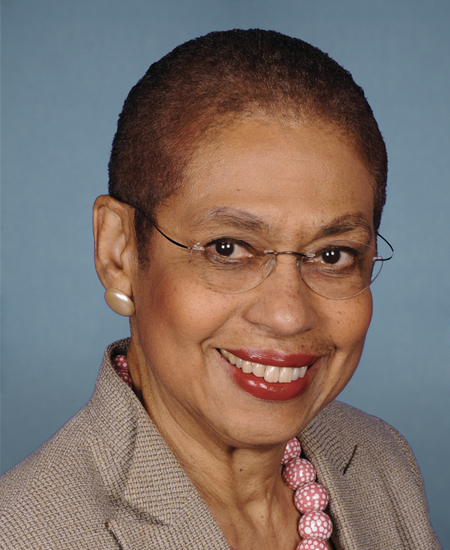
- Sponsor: Rep. Eleanor Holmes Norton (D-DC)
- Introduced/Filed: (Congressional Record shows sponsor remarks Feb 18, 2025; bill filing date noted May 28, 2025)
- Committee referral: House Committee on Natural Resources (Feb 18, 2025)
- Recent procedural actions: Referred to Local & Consent Calendars (May 29, 2025); considered May 30; laid before the House and adopted on June 1, 2025; reported enrolled June 1, 2025. Sponsor made introductory remarks in the Congressional Record (CR E136–137).
Note about source material
- Full bill text is not included in the material provided. The summary below therefore describes the bill’s stated purpose (from its title and sponsor remarks) and identifies likely focal areas and affected parties. For precise statutory language, funding amounts, timelines, or program mechanics, consult the enrolled bill text at Congress.gov or the Office of the Clerk once available.
Purpose and intent
- As indicated by the bill title and sponsor’s introductory remarks, the Activating National Parks in Cities Act is intended to strengthen the role of the National Park Service (NPS) in urban areas — expanding access, programming, partnerships, and/or designation of urban park sites so that residents of cities can better use and benefit from national park resources.
Key themes and likely provisions (based on title and context)
- Urban activation: authorize or expand NPS authority to develop and manage national park units, affiliated areas, or programming specifically within cities and metropolitan areas.
- Community partnerships: encourage or formalize partnerships between NPS and city governments, community organizations, schools, and local land trusts to deliver urban park services.
- Programming & outreach: promote education, recreational programming, youth engagement, workforce development, and interpretation tailored to urban communities.
- Access & equity: remove barriers to use of national park resources in cities (e.g., transit access, outreach to underserved populations).
- Technical assistance & grants: possibly establish or expand grant programs or technical assistance to help cities create, maintain, or interpret national park sites or affiliated sites.
- Use of non-federal lands: provide mechanisms to recognize and support “affiliated areas” or cooperative agreements with non-federal urban sites.
Who would be affected
- National Park Service (administration and program priorities)
- City and municipal governments with or seeking NPS presence or partnerships
- Local communities, including urban residents, schools, and nonprofit partners
- Potentially federal budget and appropriations if the bill creates new grant authority or program funding
Procedural/timeline notes
- Referred to the House Natural Resources Committee (Feb 18, 2025). Subsequent movement to Local & Consent Calendars and rapid consideration in late May 2025 suggests the House took expedited action; adoption and enrollment occurred June 1, 2025. “Reported enrolled” indicates the measure was prepared in final form for transmission (e.g., to the Senate or for enactment processes) depending on chamber action. Check Congress.gov for final enrolled text and next steps (Senate referral, enactment, or veto/approval).
Impact and considerations
- If enacted, the bill could shift greater NPS focus and resources toward urban conservation, recreation, and interpretation, expanding access for urban populations who historically have had lower use of traditional national parks.
- Fiscal impacts depend on whether the bill authorizes new spending or redirects existing resources; the enrolled text and any Congressional Budget Office (CBO) score will clarify budgetary effects.
- Implementation would require coordination between federal, state, and local entities and may involve new agreements, staff allocations, and planning processes.
Recommended next steps for readers
- Review the full enrolled bill text on Congress.gov for exact provisions, definitions, and funding language.
- Monitor CBO scoring and committee reports for estimated costs and detailed impacts.
- Track any subsequent Senate actions or related hearings in the Natural Resources Committee for implementation details.