

WeVote

Bill

Bill

S 2119

Abducted Ukrainian Children Recovery and Accountability Act

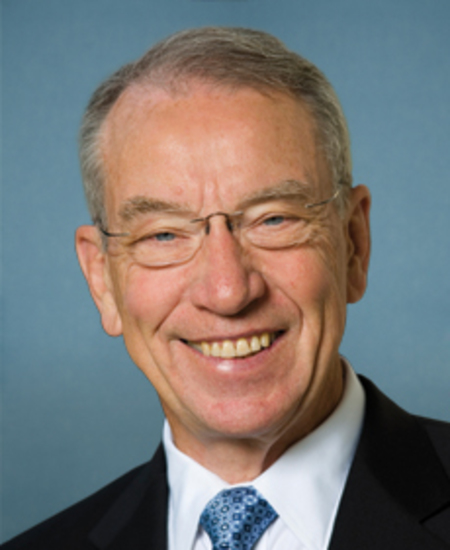
119th Congress Introduced by Chuck Grassley and 1 co-sponsor

Bill S 2119 mandates a study on traffic fine distribution to ensure fairness, aiming to address disparities affecting communities and guide future policy reforms.

Introduced in Senate
0
WeVote Research Nonpartisan
Bill Summary · S 2119

Summary of Bill S 2119

Bill Number: S 2119
Title: Directs the Commissioner of Motor Vehicles to Conduct a Study on the Distribution of Traffic Fines
Status: Referred to Transportation
Introduced: January 15, 2025
Classification: Bill

Purpose and Intent

Bill S 2119 aims to address concerns regarding the distribution and allocation of traffic fines within the state. The primary intent of the bill is to ensure that traffic fines are assessed and distributed fairly and transparently, potentially leading to reforms in how these fines impact different communities and demographics.

Key Provisions

  • Study Mandate: The bill directs the Commissioner of Motor Vehicles to conduct a comprehensive study on the distribution of traffic fines. This study will analyze:

    • The demographic and geographic distribution of traffic fines.
    • The financial impact of traffic fines on various communities.
    • Any disparities in the enforcement of traffic laws that may disproportionately affect certain populations.
  • Reporting Requirements: The Commissioner will be required to compile the findings of the study into a report, which will be submitted to the legislature. This report is expected to include recommendations for policy changes based on the study's findings.

Who Would Be Affected

  • Drivers and Vehicle Owners: Individuals who receive traffic fines will be directly impacted, as the study may lead to changes in how fines are assessed and enforced.
  • Communities: The bill seeks to address potential inequities in traffic fine distribution, which could benefit communities that have been disproportionately affected by traffic enforcement practices.
  • Legislators and Policy Makers: The findings from the study will provide valuable insights for lawmakers, potentially guiding future legislation aimed at reforming traffic fine policies.

Procedural Aspects

  • Current Status: As of January 15, 2025, the bill has been referred to the Transportation Committee for further consideration. This is an initial step in the legislative process, and the bill will need to undergo discussions, potential amendments, and votes before it can become law.

Conclusion

Bill S 2119 represents a proactive approach to understanding and potentially reforming the system of traffic fines within the state. By mandating a study on the distribution of these fines, the bill aims to promote fairness and equity in traffic enforcement, ensuring that all drivers are treated justly under the law. The outcomes of this study could lead to significant changes in traffic policy and enforcement practices in the future.

Compiled from official sources — confirm details with the bill’s official record.

Sign in to ask a question.