

WeVote

Bill

Bill

SRES 840

A resolution to authorize testimony and representation by the Senate Legal Counsel.

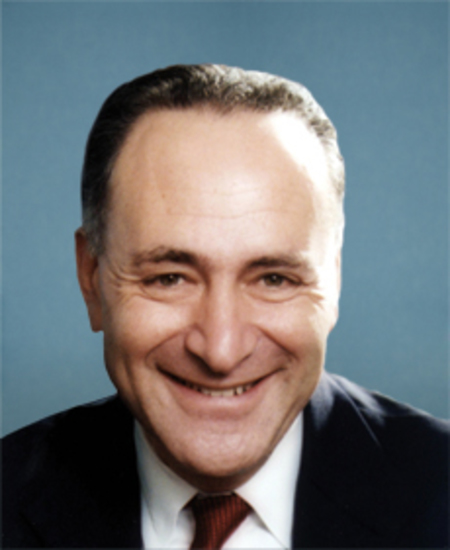
119th Congress Introduced by Chuck Schumer and 1 co-sponsor

Authorizes Warren office staff to testify in a criminal investigation with Senate Legal Counsel representation, within privilege limits and existing Senate rules.

Passed/agreed to in Senate: Submitted in the Senate, considered, and agreed to without amendment and with a preamble by Unanimous Consent. (consideration: CR S4530; text: CR S4525)
0
WeVote Research Nonpartisan
Bill Summary · SRES 840

Summary of S. Res. 840 (119th Congress, 2nd Session)

Purpose

S. Res. 840 authorizes testimony and legal representation by the Senate Legal Counsel for employees of Senator Elizabeth Warren’s office in a criminal investigation. Specifically, it allows Warren office staff to provide testimony as needed and ensures their representation by the Senate Legal Counsel in connection with such testimony and any related future proceedings, subject to asserting applicable privileges where appropriate.

Key Provisions

  • Section 1: Authorization for testimony

    • Employees of Senator Elizabeth Warren’s office from whom relevant evidence may be necessary are explicitly authorized to provide testimony in the ongoing investigation referenced by the resolution, and in any future legal proceedings related to this matter.
    • The authorization excludes matters for which a privilege should be asserted (i.e., employees may not disclose information that is protected by privilege).
  • Section 2: Representation by the Senate Legal Counsel

    • The Senate Legal Counsel is empowered to represent these Warren staff members in connection with producing the authorized testimony.
    • Representation covers the testimony process and related legal proceedings, ensuring formal counsel support.

Affected Parties

  • Primary: Employees of Senator Elizabeth Warren’s Senate office who may possess pertinent evidence.
  • Legal representation: Senate Legal Counsel (authorized to represent these employees in testimony and related proceedings).
  • Context: The resolution pertains to a criminal threat investigation conducted by the U.S. Attorney’s Office for the District of Massachusetts, and potentially related future proceedings.

Procedural and Timeline Aspects

  • Procedural basis:

    • The resolution cites relevant authorities under the Ethics in Government Act of 1978, which authorize the Senate to direct its counsel to represent current and former Senate employees in response to subpoenas, orders, or requests for testimony or documents tied to their official duties.
    • It also references Senate privileges and Rule XI of the Standing Rules of the Senate, noting that evidence under Senate control cannot be taken through judicial/administrative processes without Senate permission, and that the Senate will take action to promote justice consistent with Senate privileges.
  • Action history:

    • The resolution was submitted on August 6, 2026, and was considered and agreed to by unanimous consent (without amendments and with a preamble).
    • It was passed in the Senate by unanimous consent on the same date.

Potential Impact

  • Facilitates cooperation with law enforcement by allowing Warren staff to testify with formal Senate-backed representation.
  • Clarifies that staff testimony can proceed in the investigation and in related future proceedings, subject to privilege considerations.
  • Ensures adherence to Senate privileges and procedural rules while providing necessary legal support to staff.
  • Does not create new investigative powers or change substantive law; rather, it provides procedural authorization for testimony and representation within existing Senate and federal ethics rules.

If you’d like, I can provide a brief comparison to similar past resolutions or place this in the broader context of Senate ethics and testimony procedures.

Compiled from official sources — confirm details with the bill’s official record.

Sign in to ask a question.