

WeVote

Bill

Bill

SRES 39

A resolution supporting the observation of National Trafficking and Modern Slavery Prevention Month during the period beginning on January 1, 2025, and ending on February 1, 2025, to raise awareness of, and opposition to, human trafficking and modern slavery.

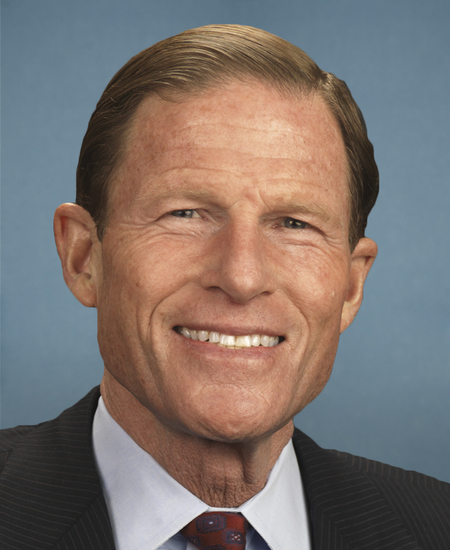
119th Congress Introduced by Richard Blumenthal and 8 co-sponsors

Designates January 1–February 1, 2025 as National Trafficking and Modern Slavery Prevention Month to promote awareness, collaboration, and victim-centered anti-trafficking efforts.

Introduced in Senate
0
WeVote Research Nonpartisan
Bill Summary · SRES 39

Summary of SRES 39: National Trafficking and Modern Slavery Prevention Month

Overview

SRES 39 is a Senate resolution pledging support for observing National Trafficking and Modern Slavery Prevention Month from January 1 to February 1, 2025. The measure emphasizes awareness, opposition to trafficking, and a collaborative, victim-centered approach to addressing human trafficking and modern slavery. As a resolution, it states the Senate’s position and encourages actions, but does not itself create new laws or funding.

Purpose and Intent

  • Recognize the critical role of the American people in ending human trafficking and modern slavery.
  • Promote awareness and education during the designated month.
  • Culminate activities with National Freedom Day on February 1, 2025, in line with Section 124 of Title 36, United States Code.
  • Encourage ongoing, cross-sector partnerships to prevent and eradicate trafficking and to support survivors.
  • Endorse a broad, collaborative, and victim-centered framework involving federal, state, tribal, and local governments, as well as non-governmental organizations and social service providers.

Key Provisions

  1. Observance Period
    • Officially designates January 1, 2025, through February 1, 2025, as National Trafficking and Modern Slavery Prevention Month.
  2. Observance Activities
    • Encourages appropriate programs and activities to mark the month, culminating on February 1, 2025 (National Freedom Day) as described in the U.S. Code.
  3. Partnerships and Approach
    • Urges continued collaboration among federal, state, tribal, and local agencies, survivors, social service providers, and nonprofit organizations.
    • Advocates a collaborative, victim-centered approach to addressing trafficking.
  4. Ongoing Efforts
    • Endorses all other efforts to prevent, eradicate, raise awareness of, and oppose human trafficking and modern slavery.

Affected Parties

  • Federal, state, tribal, and local government agencies involved in anti-trafficking efforts.
  • Survivors of trafficking and organizations serving them (e.g., social services, nonprofits, advocacy groups).
  • The broader public, through awareness-raising activities and education during the designated month.

Legislative Status and Timeline

  • Introduced: January 27, 2025.
  • Agreed to in the Senate: January 27, 2025 (unanimous consent, without amendment, with a preamble).
  • Legislative references: Consideration noted in the Congressional Record (CR S387-388; text in CR S397-398).

Sponsorship

  • Primary Sponsor: Chuck Grassley
  • Co-Sponsors: Catherine Cortez Masto, Amy Klobuchar, Richard Blumenthal, Shelley Moore Capito, Ron Wyden, Richard J. Durbin, Susan M. Collins, Lisa Murkowski
  • Notable representatives: Also listed as cosponsors include Catherine Cortez Masto, Amy Klobuchar, Richard Blumenthal, Ron Wyden, and others.

Remarks

  • As a non-binding resolution, SRES 39 serves to express the Senate’s support and to promote coordinated, non-funding efforts to combat trafficking and modern slavery.
  • The measure signals bipartisan recognition of the issue and aims to mobilize programs and partnerships during the observed period.

Compiled from official sources — confirm details with the bill’s official record.

Sign in to ask a question.