

WeVote

Bill

Bill

SRES 670

A resolution supporting the goals and ideals of the 2026 Day of Silence in bringing attention to anti-LGBTQI+ bullying, harassment, discrimination, and other forms of victimization faced by individuals in schools, and calling on communities across the country to take action to demand equal educational opportunity, basic civil rights protections, and freedom from erasure for all students, particularly LGBTQI+ young people, in K-12 schools.

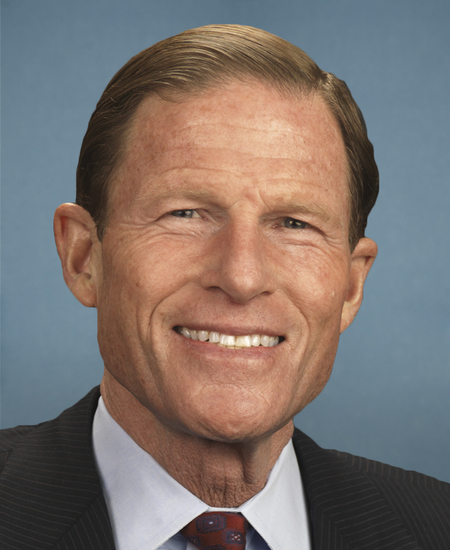
119th Congress Introduced by Richard Blumenthal and 8 co-sponsors

Supports the goals of the 2026 Day of Silence and urges communities to protect LGBTQI+ students’ equal opportunity, rights, and safety in schools.

Submitted in Senate
0
WeVote Research Nonpartisan
Bill Summary · SRES 670

Summary: SRES 670 — A Resolution Supporting the 2026 Day of Silence

Overview

  • Type: Senate Resolution
  • Session/Jurisdiction: United States, 119th Congress
  • Title: A resolution supporting the goals and ideals of the 2026 Day of Silence, drawing attention to anti-LGBTQI+ bullying, harassment, discrimination, and other forms of victimization in schools.
  • Purpose: To acknowledge and promote awareness of LGBTQI+ students' experiences in K-12 schools and to encourage communities nationwide to take action to ensure equal educational opportunity, civil rights protections, and safety from erasure for all students.

Key Provisions and Provisions It Would Make

  • Expression of Support: The resolution formally supports the goals and ideals of the 2026 Day of Silence, a recognized event intended to highlight anti-LGBTQI+ bullying and related harms in educational settings.
  • Advocacy for Equal Rights: It calls on communities to take action to protect and advance:
    • Equal educational opportunity for LGBTQI+ students
    • Basic civil rights protections in schools
    • Safety and freedom from erasure for LGBTQI+ youth
  • Non-Binding Nature: As a resolution, it does not create new law or mandate specific statutory changes; rather, it expresses the sense of the Senate and encourages supportive actions at local, state, and school district levels.

Who/What Is Affected

  • Target Beneficiaries: LGBTQI+ students in K-12 education settings, who experience bullying, harassment, or discrimination.
  • Broader Impact: Schools, school districts, communities, educators, parents, and student bodies—by signaling national support and encouraging anti-bullying and inclusive practices.

Procedural and Timeline Aspects

  • Introduced/Submitted: The bill was submitted to the Senate and read twice.
  • Referral: Referred to the Committee on Health, Education, Labor, and Pensions (HELP) for consideration.
  • Action History (as of April 15, 2026):
    • Read twice
    • Referred to the Committee on Health, Education, Labor, and Pensions
  • Cosponsors: Notable co-sponsors include:
    • Elizabeth Warren
    • Richard Blumenthal
    • Ron Wyden
    • Dick Durbin
    • Jeff Merkley
    • Ed Markey
    • Brian Schatz
    • Cory Booker
    • Alex Padilla

Potential Impact and Implications

  • Symbolic and Moral Ambition: Elevates awareness of LGBTQI+ student experiences and reinforces national commitment to inclusive, non-discriminatory school environments.
  • Policy Influence: While non-binding, it may influence educational policymakers, school boards, and advocates to pursue concrete anti-bullying measures, inclusive curricula, anti-discrimination protections, and safe-school policies.
  • Community Action: Encourages local and state-level initiatives, partnerships with LGBTQI+ organizations, and efforts to monitor and address harassment in schools.

If you’d like, I can add a comparison with any related resolutions or provide a brief overview of typical non-binding resolutions and their practical effects in education policy.

Compiled from official sources — confirm details with the bill’s official record.

Sign in to ask a question.