

WeVote

Bill

Bill

SRES 818

A resolution recognizing the importance of trademarks in the economy and the role of trademarks in protecting consumer safety by designating the month of July as "National Anti-Counterfeiting and Consumer Education and Awareness Month".

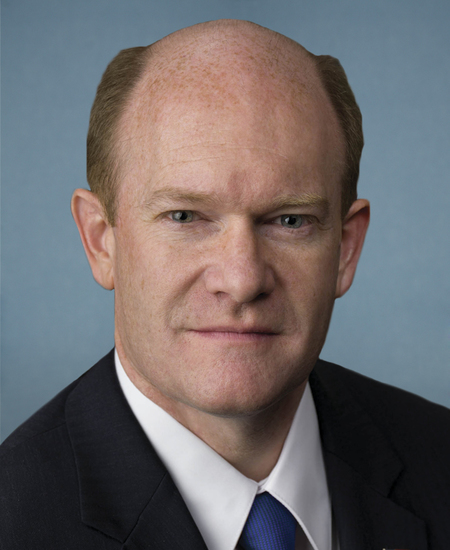
119th Congress Introduced by Chris Coons and 3 co-sponsors

Designates July 2026 as National Anti-Counterfeiting and Consumer Education and Awareness Month to boost public awareness and education on counterfeit goods and safety.

Passed/agreed to in Senate: Submitted in the Senate, considered, and agreed to without amendment and with a preamble by Unanimous Consent.
0
WeVote Research Nonpartisan
Bill Summary · SRES 818

Overview

  • Bill: S. Res. 818
  • Session: 119th Congress, 2nd Session
  • Type: Senate resolution
  • Status: Submitted, considered, and agreed to by unanimous consent; designates July 2026 as National Anti-Counterfeiting and Consumer Education and Awareness Month.
  • Principal sponsors: Chuck Grassley (for himself and others: Coons, Tillis, Hirono)

Purpose and intent

  • Recognize the importance of trademarks in the economy.
  • Emphasize the role of trademarks in protecting consumer safety.
  • Designate the month of July 2026 as National Anti-Counterfeiting and Consumer Education and Awareness Month to raise public awareness about counterfeit goods and consumer education.

Key provisions

  • Designation: July 2026 is designated as National Anti-Counterfeiting and Consumer Education and Awareness Month.
  • Educational goals: Supports public education and awareness efforts about the dangers counterfeit products pose to consumer health and safety.
  • Federal, state, and private-sector collaboration: Affirms the need for comprehensive education and awareness campaigns across federal, state, and private sectors to equip consumers with information and tools to avoid illegal counterfeit products in traditional, internet, and other e-commerce platforms.
  • Commitment to combat counterfeiting: Reaffirms the United States’ dedication to reducing the supply of and demand for counterfeit products by promoting awareness of associated harms to consumers and brand owners and by supporting new education programs and campaigns.

Who/what is affected

  • Consumers: Targeted for increased awareness and education to avoid counterfeit goods.
  • Brand owners and businesses: Acknowledged as adversely affected by counterfeiting; encouraged to participate in awareness efforts.
  • Federal, state, and private sector entities: Encouraged to coordinate education and awareness campaigns.

Procedural and timeline aspects

  • Effective date: Effective upon enactment/by unanimous consent during Senate consideration (designates July 2026 as the awareness month).
  • Related context in the resolution: References existing trademark law (Lanham Act) and counterfeiting statutes, and cites ongoing enforcement and coordination efforts by agencies and organizations.
  • Commemoration alignment: Ties to historical milestones and ongoing anti-counterfeiting initiatives, with emphasis on the importance of trademarks in the economy and consumer safety.

Notable context and data cited (as basis for the resolution)

  • Lanham Act (Trademark Act of 1946) and the Trademark Counterfeiting Act of 1984 as the legal framework for trademark protection.
  • 42nd anniversary of the Lanham Act’s enactment (October 12, 2026) and 250th anniversary of the Declaration of Independence (July 4, 2026) as symbolic milestones.
  • Global and U.S. anti-counterfeiting challenges:
    • Count of active trademark registrations worldwide (approx. 93.2 million in 2024, per World Intellectual Property Organization).
    • Counterfeit seizures and value figures for fiscal year 2025 (U.S. Customs and Border Protection) indicating substantial scale and growth compared to 2024.
    • Noted threats from counterfeit medicines and fentanyl-laced counterfeit pills, emphasizing public health risks.
    • Online platforms and e-commerce contributing to counterfeit reach.

Practical impact

  • No new law or regulatory requirement imposed; the resolution is a symbolic and educational memorandum intended to mobilize educational campaigns and public awareness.
  • Could inform and encourage federal/state/private-sector initiatives, public-private partnerships, and consumer outreach programs focused on trademark protection and anti-counterfeiting education.

Compiled from official sources — confirm details with the bill’s official record.

Sign in to ask a question.