

WeVote

Bill

Bill

SRES 779

A resolution recognizing the contributions of Black people to the musical heritage of the United States and the need for greater access to music education for Black students and designating June 2026 as "Black Music Month".

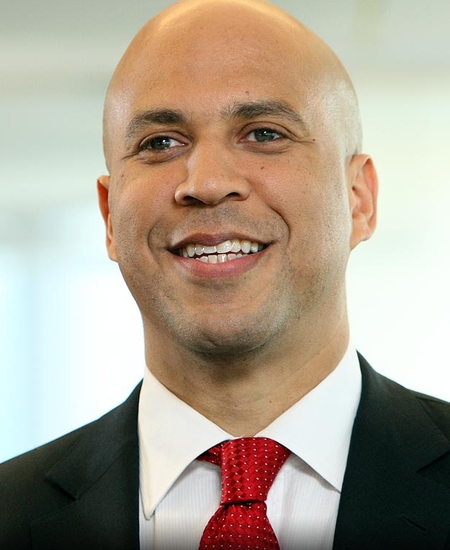
119th Congress Introduced by Cory Booker and 3 co-sponsors

Designates June 2026 as Black Music Month and urges greater access to culturally relevant music education for Black students.

Submitted in Senate
0
WeVote Research Nonpartisan
Bill Summary · SRES 779

Purpose and overall intent

  • S. Res. 779 is a Senate resolution recognizing the contributions of Black people to the United States’ musical heritage and calling for greater access to music education for Black students.
  • The resolution designates June 2026 as “Black Music Month.”
  • It locations Black music within a national historical and cultural context and emphasizes the need to expand culturally relevant music education for Black students.

Key provisions and changes

  • Formal recognition:
    • Acknowledges the extensive and diverse contributions of Black artists, composers, and musicians across genres such as spirituals, blues, jazz, gospel, classical, rhythm and blues, soul, Motown, hip-hop, funk, go-go, disco, reggae, rock, country, and more.
    • Highlights historic figures and milestones (e.g., Louis Armstrong, Miles Davis, Duke Ellington, Ella Fitzgerald, Nat King Cole, Billie Holiday, Tina Turner, Prince, Whitney Houston, Nina Simone, Jimi Hendrix, and many others) to illustrate the breadth and impact of Black musical heritage.
  • Educational equity and access:
    • Emphasizes the need for greater access to music education for Black students.
    • Cites studies and data pointing to disparities in music education participation and performance among Black students, including lower scores in arts assessments and underrepresentation of Black students and teachers in music programs.
    • Highlights the correlation between socioeconomic factors (e.g., eligibility for the National School Lunch Act) and gaps in music education outcomes, underscoring barriers faced by students in under-resourced communities.
  • Designation of Black Music Month:
    • Designates June 2026 as “Black Music Month.”
    • References the longstanding origin of Black Music Month and the National Museum of African American Music as the official home of the observance.
  • Purposeful framing:
    • Asserts that recognizing Black musical contributions and promoting access to culturally relevant music education can help sustain and expand the ongoing influence of Black musicians in the American musical canon.

Who or what would be affected

  • Beneficiaries:
    • Black students and communities who would gain increased visibility of Black musical achievements and emphasis on access to culturally relevant music education.
  • Institutions and organizations:
    • Schools and districts may encounter emphasis on improving access to music programs for Black students.
    • The National Museum of African American Music and related cultural and educational organizations could be recognized as central to Black Music Month.
  • Broader public:
    • Raises awareness of Black contributions to American music history among educators, students, and the public.

Procedural and timeline aspects

  • Action: The resolution was introduced in the Senate and referred to the Committee on the Judiciary on June 18, 2026.
  • Status: As of the provided text, it is a concurrent resolution expressing recognition and designation, not a law requiring enacted program funding or mandates.
  • Dates:
    • June 2026 designated as Black Music Month if the resolution is adopted.
  • Sponsors and co-sponsors:
    • Primary sponsor: Senator Cory Booker (on behalf of other sponsors).
    • Co-sponsors include Senators Amy Klobuchar, Dick Durbin, and Chris Van Hollen.

Notable context and data points

  • The bill references a range of historical figures and genres to illustrate Black contributions to American music.
  • It cites studies indicating disparities in music education participation and achievement among Black students and the underrepresentation of Black students and teachers in music programs.
  • It ties the observance to a broader historical and cultural effort to celebrate Black musical heritage and to promote equitable access to music education.

If you’d like, I can condense this into a one-page briefing or compare it to prior Black Music Month observances and related educational equity efforts.

Compiled from official sources — confirm details with the bill’s official record.

Sign in to ask a question.