

WeVote

Bill

Bill

SRES 693

A resolution recognizing and supporting the goals and ideals of National Sexual Assault Awareness and Prevention Month.

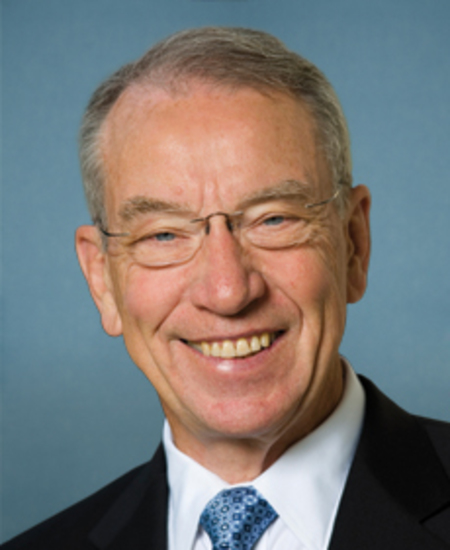
119th Congress Introduced by Chuck Grassley and 1 co-sponsor

The resolution recognizes National Sexual Assault Awareness and Prevention Month and urges prevention, education, survivor support, and public awareness efforts.

Passed/agreed to in Senate: Submitted in the Senate, considered, and agreed to without amendment and with a preamble by Unanimous Consent.
0
WeVote Research Nonpartisan
Bill Summary · SRES 693

Summary of Bill: SRES 693 – National Sexual Assault Awareness and Prevention Month

Overview

  • Type: Senate Resolution (SRES)
  • Session: 119th Congress
  • Title: A resolution recognizing and supporting the goals and ideals of National Sexual Assault Awareness and Prevention Month.
  • Status: Passed by the Senate on April 28, 2026 (unanimous consent, without amendment; preamble included). Consideration noted in the Congressional Record (CR S2076-2077; text CR S2083-2084).
  • Sponsors:
    • Co-sponsor: Chuck Grassley
    • Co-sponsor: Jeanne Shaheen

Purpose and Intent

  • The resolution formally recognizes and supports the goals and ideals of National Sexual Assault Awareness and Prevention Month.
  • It is a symbolic measure aimed at raising awareness, affirming commitment to preventing sexual assault, supporting survivors, and encouraging public education and outreach.
  • By adopting this resolution, the Senate signals national emphasis on preventing sexual violence, supporting services for survivors, and promoting preventive measures across communities.

Key Provisions

  • Recognition: Acknowledges National Sexual Assault Awareness and Prevention Month as an important national observance.
  • Support for Goals: Endorses objectives related to prevention, education, advocacy, and resources for survivors.
  • Public Education and Outreach: Encourages awareness campaigns and information dissemination to improve understanding of sexual assault, reporting options, response systems, and prevention strategies.
  • Commitment to Survivors: Affirms support for services, resources, and protections for survivors, including access to care, counseling, and safety measures.
  • Policy Considerations: As a resolution, it typically does not create new legal obligations or funding; rather, it expresses the sense of the Senate and may influence public and private sector attention and action.

Who/What Would Be Affected

  • Affected Entities:
    • The broader public, including communities, schools, workplaces, and healthcare settings, through heightened awareness and education.
    • Survivors of sexual assault, who may benefit from increased access to information and support resources.
    • Government agencies and non-governmental organizations involved in prevention, education, and survivor services, which may receive heightened attention and potential policy focus.
  • No Immediate Regulatory Changes: As a resolution, it does not establish new laws, fines, or mandatory programs; it serves as a formal expression of the Senate’s stance and can influence future policy discussions.

Procedural and Timeline Aspects

  • Introduction and Action:
    • Submitted in the Senate and considered on April 28, 2026.
    • Passed/agreed to by unanimous consent, without amendments, and with a preamble.
  • Record and Text:
    • The action is documented in the Congressional Record (CR S2076-2077; text: CR S2083-2084).
  • Next Steps:
    • As a Senate resolution, it typically does not advance to the House for a vote unless a companion measure is introduced; it primarily serves to state the Senate’s position and may be used to encourage related initiatives or commemorative activities.

Impact and Implications

  • The resolution underscores the Senate’s commitment to addressing sexual assault and promoting prevention efforts.
  • It may bolster awareness campaigns, educational programming, and survivor support initiatives at local, state, and national levels.
  • While non-binding, such resolutions can help align public messaging, encourage collaboration among agencies and organizations, and potentially influence future legislation and funding priorities focused on prevention and survivor services.

Compiled from official sources — confirm details with the bill’s official record.

Sign in to ask a question.