

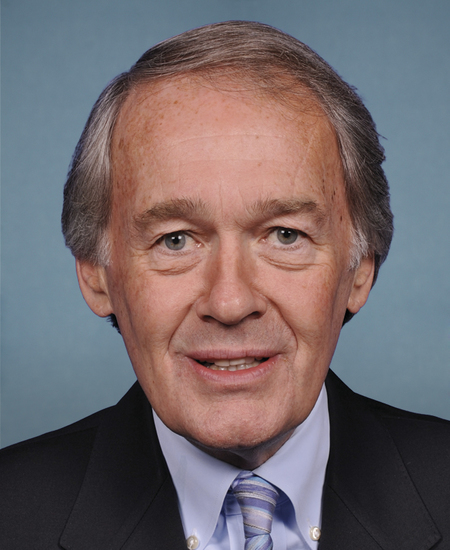
Bill

BILL • US SENATE

SRES 358

A resolution honoring the life of Dr. Paul Farmer by recognizing the duty of the Federal Government to adopt a 21st century global health solidarity strategy and take actions to address past and ongoing harms that undermine the health and well-being of people around the world.

119th Congress
Introduced by Ed Markey, Elizabeth Warren,

SRES 358 honors Dr. Paul Farmer by urging the U.S. to adopt a $125 billion global health strategy, addressing injustices and supporting vulnerable populations worldwide.

Introduced in Senate
0
0
Bill Summary • SRES 358

Summary of SRES 358: A Resolution Honoring Dr. Paul Farmer

Bill Overview

Bill Number: SRES 358

Title: A resolution honoring the life of Dr. Paul Farmer by recognizing the duty of the Federal Government to adopt a 21st century global health solidarity strategy and take actions to address past and ongoing harms that undermine the health and well-being of people around the world.

Status: Introduced in Senate

Introduced On: July 31, 2025

Classification: Resolution

Purpose and Intent

The resolution aims to honor the legacy of Dr. Paul Farmer, a renowned physician and global health advocate, by urging the Federal Government to adopt a comprehensive global health strategy. This strategy focuses on ending unnecessary deaths and addressing the health burdens faced by impoverished countries. The resolution emphasizes the importance of solidarity in global health efforts and seeks to rectify historical and ongoing injustices that affect health outcomes worldwide.

Key Provisions

The resolution outlines several critical components for a 21st-century global health solidarity strategy:

  1. Support for Developing Countries:

    • Accompaniment Approach: Invest in local health systems by aligning with national priorities through a framework known as the Five S's:
      • Staff: Enhance human resources for healthcare delivery, including training for medical professionals and community health workers.
      • Space: Improve healthcare infrastructure at all levels.
      • Stuff: Provide necessary medical supplies and technologies.
      • Systems: Strengthen governance and health information systems.
      • Social Support: Ensure resources beyond direct healthcare delivery.
  2. Increased Global Health Spending:

    • Propose an annual global health budget of $125 billion to meet the UN's development assistance target of 0.7% of gross national income and to address financing gaps for low-income countries.
  3. Addressing Economic Harms:

    • Advocate for debt cancellation initiatives and reforms in global governance institutions to empower low- and middle-income countries.
    • Support measures to combat tax evasion and promote fair labor rights, including a global minimum wage.
  4. Reparations for Historical Harms:

    • Call for reparations related to:
      • The institution of slavery and its ongoing impacts.
      • The effects of colonialism and imperialism.
      • The disproportionate responsibility of the U.S. for climate change impacts on the global South.

Impact

The resolution seeks to create a more equitable global health landscape by:
- Supporting vulnerable populations, including those living in poverty, women, and children.
- Ensuring that health technologies and knowledge are accessible as global public goods.
- Promoting a holistic approach to health that includes social and ecological well-being.

Procedural Aspects

  • Legislative Actions:
    • The resolution was introduced and referred to the Committee on Foreign Relations on July 31, 2025.

Sponsors

  • Primary Sponsor: Edward J. Markey
  • Cosponsor: Elizabeth A. Warren

This resolution represents a significant step towards addressing global health disparities and recognizing the interconnectedness of health, economic justice, and historical accountability.

Hi! I'm your AI assistant for SRES 358. I can help you understand its provisions, impacts, and answer any questions.

Key Provisions Impacts Timeline
Sign in to chat