

WeVote

Bill

Bill

SRES 36

A resolution expressing the sense of the Senate that the United States, States, cities, Tribal nations, businesses, institutions of higher education, and other institutions in the United States should work toward achieving the goals of the Paris Agreement.

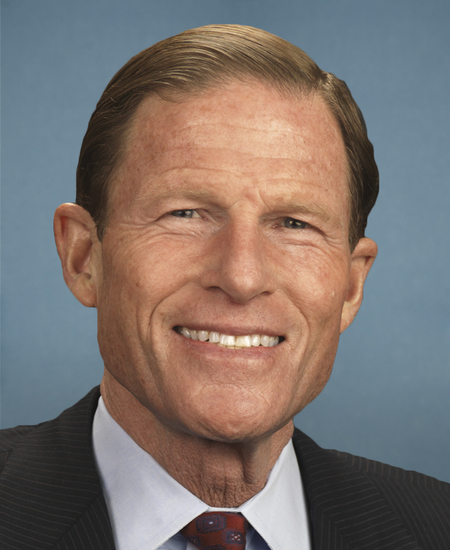
119th Congress Introduced by Richard Blumenthal and 20 co-sponsors

The bill urges the United States to remain a Paris Agreement party and to support nationwide, multi-level policies and actions that reduce greenhouse gas emissions in line with Par

Introduced in Senate
0
WeVote Research Nonpartisan
Bill Summary · SRES 36

Summary of S. Res. 36 (Introduced January 24, 2025)

Overview

S. Res. 36 is a non-binding Senate resolution that expresses the sense of the Senate regarding U.S. participation in the Paris Agreement and the country’s climate actions. It is classified as a resolution and does not create or alter legal rights or obligations. The bill was introduced in the Senate on January 24, 2025, and referred to the Committee on Foreign Relations.

Purpose and Intent

The resolution states three core objectives:
1. The United States should remain a party to the Paris Agreement.
2. The United States should support policies at the Federal, State, and local levels that promote the reduction of global warming pollution and aim to meet the objectives of the Paris Agreement.
3. The United States should support the clear intents and efforts of businesses, investors, and the broader American society to take action on climate change.

Key Provisions

  • Remain Party to Paris Agreement: Reaffirms commitment to continued U.S. participation in the global climate pact.
  • Policy Support Across Levels of Government: Encourages and endorses policies at federal, state, and local levels that reduce greenhouse gas emissions and align with Paris targets.
  • Broad Coalition Support for Climate Action: Endorses the efforts of businesses, investors, and the wider society to address climate change.

Who/What Would Be Affected

  • Federal government policies and engagement with international climate commitments.
  • State and local governments, which would be encouraged to pursue emissions reductions consistent with Paris objectives.
  • Private sector and financial communities (businesses, investors) and other parts of civil society, recognized as important collaborators in achieving climate goals.
  • Institutions of higher education and Tribal nations are implicitly included as stakeholders in national climate action, given the bill’s emphasis on whole-of-American-society action.

Procedural and Timeline Aspects

  • Introduction: January 24, 2025.
  • Status: Introduced in the Senate.
  • Referral: Referred to the Committee on Foreign Relations (as noted in the legislative record CR S372-373).
  • No further action details are provided in the available information; as a resolution, passage would not create new law or funding.

Sponsors

  • Primary Sponsor: Edward J. Markey.
  • Notable Cosponsors: A broad group of Senate Democrats, including Amy Klobuchar, Timothy M. Kaine, Richard Blumenthal, Chris Van Hollen, Jeanne Shaheen, Christopher A. Coons, Ron Wyden, Richard J. Durbin, Peter Welch, Jeff Merkley, Bernard Sanders, Brian Schatz, Tammy Duckworth, Adam B. Schiff, Charles E. Schumer, Cory Booker, Tina Smith, Alex Padilla, Sheldon Whitehouse, and others.

Impact and Implications

  • Symbolic and Strategic Significance: Signals strong Senate support for U.S. participation in the Paris framework and a nationwide climate strategy.
  • Policy Influence: While non-binding, the resolution can inform future legislative and administrative priorities, and influence discussions among policymakers, businesses, and non-governmental stakeholders.
  • International Signaling: Reinforces U.S. commitment to Paris objectives in diplomatic and multilateral contexts.

Compiled from official sources — confirm details with the bill’s official record.

Sign in to ask a question.