

WeVote

Bill

Bill

SRES 248

A resolution expressing the need for the Federal Government to establish a national biodiversity strategy for protecting biodiversity for current and future generations.

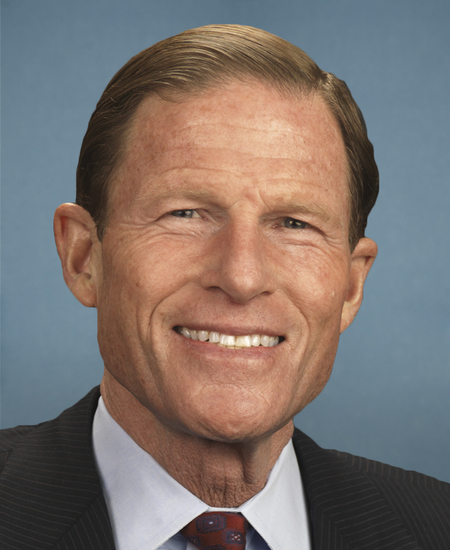
119th Congress Introduced by Richard Blumenthal and 1 co-sponsor

SRES 248 calls for a national strategy to protect 30% of U.S. land and waters by 2030, ensuring biodiversity conservation and equitable access for all communities.

Introduced in Senate
0
WeVote Research Nonpartisan
Bill Summary · SRES 248

Summary of SRES 248: National Biodiversity Strategy Resolution

Bill Number: SRES 248
Title: A resolution expressing the need for the Federal Government to establish a national biodiversity strategy for protecting biodiversity for current and future generations.
Status: Introduced in Senate
Introduced: May 22, 2025
Classification: Resolution

Purpose and Intent

The primary purpose of SRES 248 is to express the Senate's sense that the Federal Government should develop a comprehensive national biodiversity strategy. This strategy aims to protect and restore biodiversity in the United States, ensuring the conservation of ecosystems and the services they provide for both current and future generations.

Key Provisions

The resolution outlines several key provisions that the national biodiversity strategy should encompass:

  1. Conservation Goals:

    • Aim to conserve at least 30% of U.S. land and waters by 2030 (referred to as 30x30).
    • Support international efforts to achieve similar conservation goals globally.
  2. Protection of Species:

    • Implement actions to protect threatened, endangered, and at-risk species from extinction.
  3. Climate Strategies:

    • Develop climate adaptation and mitigation strategies, including:
      • Leading international agreements like the Paris Agreement.
      • Establishing climate refugia and corridors for species affected by climate change.
      • Promoting the rapid expansion of renewable energy.
  4. Review and Integration:

    • Assess existing laws and programs related to biodiversity and recommend necessary changes.
    • Ensure integration of biodiversity protection across all federal activities, including foreign policy.
  5. Collaboration and Equity:

    • Foster collaboration among federal, state, tribal governments, and private stakeholders.
    • Incorporate indigenous knowledge and practices in conservation efforts.
    • Ensure equitable access to nature and just resource allocation, particularly for marginalized communities.
  6. Monitoring and Reporting:

    • Establish regular monitoring and reporting on biodiversity status, including a quadrennial assessment to Congress.
  7. Research and Funding:

    • Prioritize research to identify knowledge gaps and develop new conservation solutions.
    • Secure funding for existing conservation programs and explore new funding sources while reducing harmful subsidies.

Impact

The implementation of this resolution could significantly impact various stakeholders, including:

  • Federal Agencies: Coordination among agencies will be essential to advance biodiversity conservation efforts.
  • State and Tribal Governments: Increased collaboration and support for local conservation initiatives.
  • Indigenous Communities: Recognition of rights and incorporation of traditional ecological knowledge in conservation strategies.
  • General Public: Enhanced access to natural spaces and improved ecosystem services, benefiting communities and biodiversity alike.

Procedural Aspects

  • Introduced Date: May 22, 2025
  • Committee Referral: The resolution has been referred to the Committee on Environment and Public Works for further consideration.

In summary, SRES 248 seeks to establish a national framework for biodiversity conservation in the U.S., addressing urgent environmental challenges while promoting social equity and collaboration across various sectors.

Compiled from official sources — confirm details with the bill’s official record.

Sign in to ask a question.