

WeVote

Bill

Bill

SRES 567

A resolution expressing that any attempt by foreign entities to censor or penalize constitutionally protected speech of United States persons shall be opposed.

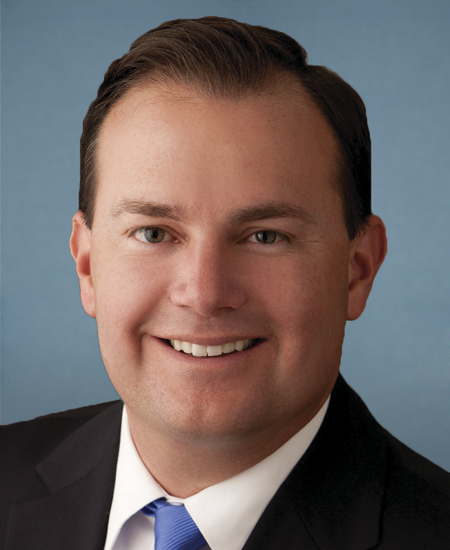
119th Congress Introduced by Mike Lee

Opposes foreign censorship or penalties on U.S. persons' constitutionally protected speech; a non-binding Senate stance to protect First Amendment rights.

Introduced in Senate
0
WeVote Research Nonpartisan
Bill Summary · SRES 567

Summary of SRES 567 (Introduced December 17, 2025)

Overview

SRES 567 is a Senate resolution that expresses opposition to any attempt by foreign entities to censor or penalize constitutionally protected speech of United States persons. The resolution is non-binding and serves as a formal statement of the Senate’s position on this issue, rather than a statute or law.

Purpose

  • To affirm that censoring or punishing U.S. persons for constitutionally protected speech by foreign actors is unacceptable.
  • To signal congressional support for protecting First Amendment rights of U.S. persons in the face of external pressure or penalties imposed by foreign entities.

Key Provisions (likely scope based on the bill’s title and description)

  • The Senate’s opposition to censorship or penalties imposed by foreign actors on speech protected by the U.S. Constitution.
  • A declaration of policy and intent that foreign attempts to restrict, monitor, or punish U.S. speech should be opposed or countered through appropriate channels.
  • Potential calls for related actions (typical for this type of resolution), such as urging executive branch engagement, consultations, or reporting, though the precise text is not provided. The resolution is non-binding and serves as a formal expression of opinion.

Affected Parties

  • United States persons (citizens and residents) whose constitutionally protected speech could be targeted by foreign censorship or penalties.
  • U.S. policymakers, including the Senate, and the executive branch, as the resolution would guide or influence foreign policy discourse and potential actions.
  • Interest groups and organizations involved in free speech advocacy.

Procedural and Timeline Aspects

  • Status: Introduced in the Senate.
  • Introduced: December 17, 2025.
  • Legislative Action: Referred to the Committee on Foreign Relations on December 17, 2025.
  • Next steps typically include committee consideration, potential panel hearings, and eventual floor action or additional referrals, though no further actions are specified in the provided information.

Potential Impact

  • Diplomatic signaling: Establishes a formal Senate stance against foreign censorship or penalties on U.S. speech.
  • Policy influence: Could guide and influence foreign relations discussions and potential responses by the U.S. government.
  • Non-binding nature: As a resolution, it does not change law or create enforceable requirements but can shape rhetoric, oversight, and policymaking priorities.

Notes

  • The bill is classified as a resolution, not a bill that would create statutory obligations.
  • The exact language and any additional provisions (e.g., requests for reports or actions) are not provided here; the summary reflects the information available from the bill’s title and action notes.

Compiled from official sources — confirm details with the bill’s official record.

Sign in to ask a question.