

WeVote

Bill

Bill

SRES 688

A resolution expressing support for the staff of public, school, academic, and special libraries in the United States and the essential services those libraries provide to communities, recognizing the need for funding commensurate with the broad scope of social service and community supports provided by libraries, preserving the right of all citizens of the United States to freely access information and resources in their communities, supporting a strong union voice for library workers, and defending the civil rights of library staff.

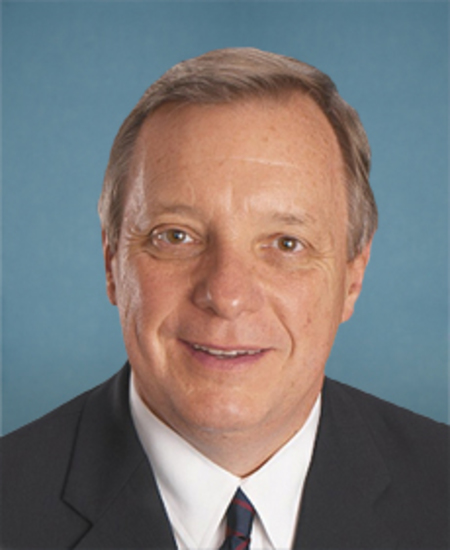
119th Congress Introduced by Dick Durbin and 6 co-sponsors

Affirming library workers’ rights, this non-binding resolution calls for sustained funding, free access to information, and protection of civil rights in libraries.

Submitted in Senate
0
WeVote Research Nonpartisan
Bill Summary · SRES 688

Summary of S. Res. 688 (119th Congress)

Purpose and Intent

  • This Senate resolution expresses formal support for staff at public, school, academic, and special libraries in the United States.
  • It recognizes the essential services libraries provide to communities and calls for funding commensurate with their broad social service and community support roles.
  • It affirms the right of all U.S. citizens to freely access information and resources in their communities.
  • It endorses a strong union voice for library workers and defends the civil rights of library staff.
  • The resolution also positions National Library Week (April 19–25, 2026) as an appropriate time to honor library staff and their contributions.

Key Provisions and Provisions or Changes

  • Statements of support rather than enforceable law or funding mandates.
  • Reaffirms several principles:
    • The fundamental right of the people to access information.
    • The right of library workers to organize, collectively bargain, and have a protected voice at work.
    • The civil rights of library workers to perform their duties without threats or intimidation.
  • Encourages full funding of library services at Federal, State, and local levels to sustain and improve library services.
  • Endorses the ability of library staff to speak out on public matters, engage with elected officials and administrators, and educate the public about their rights to information and about threats to those rights.

Who or What Would Be Affected

  • Library staff across all library types: public, school, academic, and special libraries.
  • Libraries as institutions and infrastructure within communities, including their roles in access to information, internet access, social services referrals, and community programming.
  • Potentially affects unions and collective bargaining dynamics by underscoring the workers’ rights to organize and bargain.

Procedural and Timeline Aspects

  • Introduced in the Senate on April 27, 2026.
  • Referred to the Senate Committee on Health, Education, Labor, and Pensions.
  • No regulatory or funding text is attached; the resolution is a statements-and-recognition measure.
  • Aligns with the broader theme of National Library Week, March or April 2026 timeframe, highlighting the week of April 19–25, 2026 as appropriate for celebration.

Context and Notable Points

  • The resolution cites the critical role libraries played during crises (e.g., distributing PPE and testing during COVID-19) and ongoing concerns about funding cuts and working conditions.
  • It references debates around book bans and censorship, emphasizing libraries’ role in providing diverse, uncensored access to information.
  • Points to external concerns about potential policy shifts affecting library funding and operations (e.g., hypothetical Executive Order changes to the Institute of Museum and Library Services) and argues for maintaining robust federal support for libraries.

Bottom Line

S. Res. 688 is a non-binding, symbolic resolution aimed at:
- Commending library staff and their communities.
- Calling for sustained and enhanced funding at all government levels.
- Reaffirming workers’ rights to organize and to free access to information.
- Supporting the protection of civil rights and freedom from censorship within libraries.
- Celebrating National Library Week and recognizing libraries as critical community infrastructure.

Compiled from official sources — confirm details with the bill’s official record.

Sign in to ask a question.