

WeVote

Bill

Bill

SRES 570

A resolution designating November 2025 as "National Lung Cancer Awareness Month" and expressing support for early detection and treatment of lung cancer.

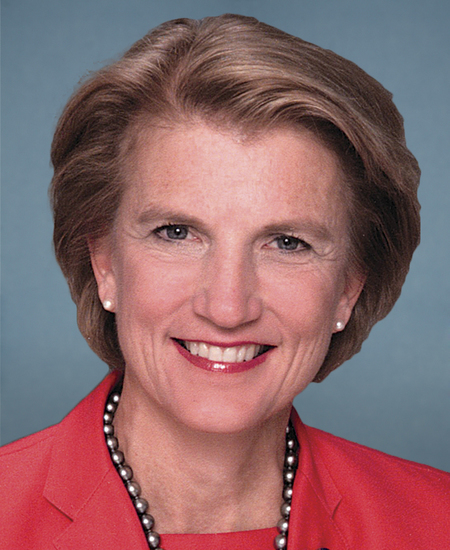
119th Congress Introduced by Shelley Moore Capito and 3 co-sponsors

Designates November 2025 as National Lung Cancer Awareness Month with weeks and a screening day to boost awareness, screening, and access for high-risk groups and never-smokers.

Senate Committee on the Judiciary discharged by Unanimous Consent.
0
WeVote Research Nonpartisan
Bill Summary · SRES 570

Summary of Bill: S.Res. 570 (119th Congress)

Purpose

  • Designate November 2025 as “National Lung Cancer Awareness Month.”
  • Express support for early detection and treatment of lung cancer.
  • Promote awareness, education, and research related to lung cancer, with emphasis on screening, treatment, minority populations, and individuals who have never smoked.

Key Provisions and Provisions of Change

  • Designations:
    • November 2025 designated as “National Lung Cancer Awareness Month.”
    • The first week of November 2025 designated as “National Women’s Lung Cancer Awareness Week.”
    • The second Saturday of November 2025 designated as “National Lung Cancer Screening Day.”
  • Policy Focus and Activities:
    • Endorsement of the goals and ideals of National Lung Cancer Awareness Month.
    • Promotion of efforts to increase awareness and education about:
    • Risk factor mitigation for lung cancer.
    • Lung cancer screening.
    • Treatment options for lung cancer.
    • Lung cancer affecting minorities and individuals who have never smoked.
    • Encouragement of nationwide observance through awareness and educational activities.
  • Contextual Findings (rationale cited in the bill text):
    • Lung cancer is the leading cause of cancer-related death in the U.S.
    • In 2025, an estimated 226,650 people will be diagnosed; about 124,730 will die.
    • High-risk groups and disparities discussed, including smoking’s role in deaths, secondhand smoke, non-smoker diagnoses, and racial/ethnic disparities.
    • Noted gaps in screening uptake (only ~16% of high-risk individuals screened) and barriers such as access, transportation, and awareness.
    • Emphasis on advances in biomarkers, immunotherapies, and targeted therapies, and the need for broad access to biomarker testing and diagnostics.
    • Calls for educational efforts to raise awareness among the public, patients, families, and health care workers.

Who is Affected

  • General U.S. population, with targeted emphasis on:
    • Individuals at high risk for lung cancer (including smokers and those exposed to secondhand smoke).
    • Women, particularly in the context of “National Women’s Lung Cancer Awareness Week.”
    • Minorities and populations with historically lower access to screening and care.
    • Veterans, given higher risk, and the report notes low screening rates among veterans.
  • Health care providers and public health organizations engaged in screening, diagnosis, treatment, and education.

Procedural and Timeline Details

  • Introduced in the Senate (S.Res. 570) and referred to the Judiciary Committee.
  • Discharged by unanimous consent and agreed to by the Senate without amendment, with a preamble, on January 12, 2026.
  • Effective as a formal resolution recognizing awareness month and related observances; does not mandate funding or create new programs by itself.
  • Action History highlights:
    • 2025-12-18: Introduced and referred to the Committee on the Judiciary.
    • 2025-12-18 onward: Committee discharged by unanimous consent.
    • 2026-01-12: Senate passed the resolution by unanimous consent.

Illustrative Provisions (Extract)

  • (1) Designates November 2025 as “National Lung Cancer Awareness Month.”
  • (2) Designates the first week of November 2025 as “National Women’s Lung Cancer Awareness Week.”
  • (3) Designates the second Saturday of November 2025 as “National Lung Cancer Screening Day.”
  • (5) Encourages awareness, education, and research on:
    • (A) Risk factor mitigation
    • (B) Lung cancer screening
    • (C) Treatment
    • (D) Lung cancer in minorities and never-smokers
  • (6) Encourages observance through appropriate awareness and educational activities.

Potential Impact

  • Elevates national attention to lung cancer screening, early detection, and treatment options.
  • Signals support for reducing disparities in screening and care, particularly among minorities and never-smokers.
  • Could stimulate public health campaigns and partnerships aimed at increasing screening rates and biomarker/testing access.
  • Serves as a formal, symbolic acknowledgment that may complement ongoing clinical and research efforts, though it does not by itself establish funding or new programs.

Compiled from official sources — confirm details with the bill’s official record.

Sign in to ask a question.