

WeVote

Bill

Bill

SRES 668

A resolution designating April 2026 as "Second Chance Month".

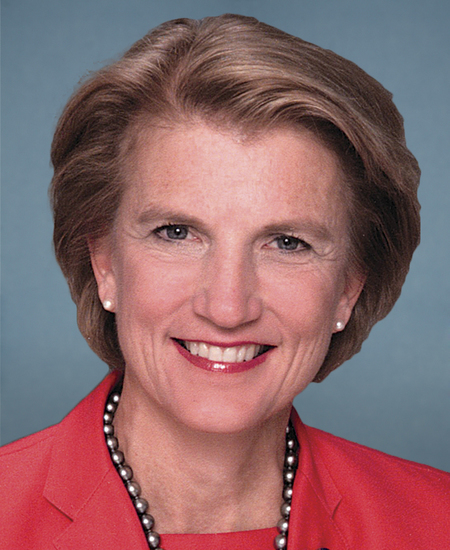
119th Congress Introduced by Shelley Moore Capito and 5 co-sponsors

Designates April 2026 as Second Chance Month to promote rehabilitation and reintegration for people with criminal records, urging awareness and supportive policies.

Submitted in Senate
0
WeVote Research Nonpartisan
Bill Summary · SRES 668

Summary of S. Res. 668 (119th Congress) — Designating April 2026 as "Second Chance Month"

Purpose

  • S. Res. 668 is a Senate resolution that designates April 2026 as "Second Chance Month."
  • The resolution aims to recognize and promote second chances for individuals reentering society after involvement with the criminal justice system, emphasizing opportunities for rehabilitation, reintegration, and reducing barriers to employment, housing, and civic participation.

Key Provisions

  • Formal designation: The Senate would designate April 2026 as Second Chance Month.
  • Purpose and messaging: The resolution expresses support for programs and policies that provide second chances to individuals with past criminal justice involvement, highlighting the societal benefits of rehabilitation and successful reintegration.
  • Observance guidance: It typically encourages appropriate federal, state, and local authorities, organizations, and communities to observe the month with activities that raise awareness about second chances and promote effective reentry strategies.

Who or What Would Be Affected

  • Broad impact scope: While the resolution contains no new mandatory requirements, it signals congressional support for second-chance initiatives. This can influence:
    • Policymaking deliberations related to criminal justice reform, reentry programs, and related funding priorities.
    • Awareness campaigns, non-profit programs, and public-private partnerships focused on reducing barriers faced by people with criminal records.
  • Stakeholders likely to be engaged or influenced include:
    • Individuals with prior criminal justice involvement
    • Reentry service providers (employment, housing, education, substance abuse treatment)
    • Employers and licensing bodies considering applicants with records
    • Community organizations and advocacy groups

Procedural and Timeline Aspects

  • Introduction and referral:
    • Sent to the Senate Committee on the Judiciary for consideration (April 14, 2026).
  • Status:
    • Acknowledged as a submitted Senate resolution; no related authorizations or funding provisions are included in the text presented.
    • As a non-binding resolution, it does not create mandatory mandates or new spending but can help frame or spotlight policy priorities.
  • Sponsor group:
    • Co-sponsors include: Amy Klobuchar, James Lankford, Shelley Moore Capito, Kevin Cramer, Ed Markey, and Alex Padilla, indicating cross-party and bicameral interest in promoting second-chance policies.

Remarks on Impact

  • This resolution is primarily a symbolic and commemorative measure intended to elevate awareness of second-chance opportunities and encourage supportive policy environments.
  • It does not establish programs, authorize new spending, or create enforceable requirements; rather, it signals Congressional intent to highlight and potentially bolster efforts that assist individuals reentering society after incarceration.

If you’d like, I can compare this resolution to prior Second Chance Month resolutions or outline related policy areas typically emphasized in second-chance initiatives (e.g., employment protections, background check reforms, and housing access).

Compiled from official sources — confirm details with the bill’s official record.

Sign in to ask a question.