Summary of S. Res. 722 (119th Congress, 2nd Session)
Format: Senate Resolution
Topic: Addressing the politicization of war crimes allegations against allied special operations forces
Date Introduced: April 30, 2026
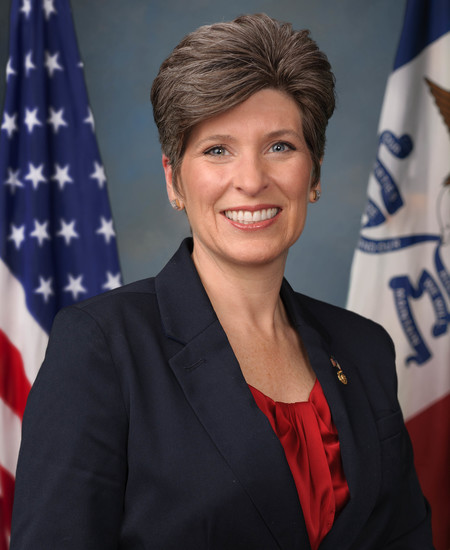
Sponsors: Senator Joni Ernst (co-sponsor) and Senator Tim Sheehy (co-sponsor)
What this bill is
- A non-binding resolution expressing the sense of Congress regarding the politicization of war crimes allegations leveled against allied special operations forces (notably from countries such as the United Kingdom and Australia) and the impact of such politicization on alliance cohesion, interoperability, and national security.
Main purpose and intent
- To acknowledge and honor the longstanding alliances and sacrifices of allied forces that have fought alongside U.S. troops.
- To express concern that retrospective and politically motivated war crimes accusations undermine morale, trust, and inter-operability among U.S. and allied forces.
- To urge the executive branch to work with allied governments to ensure investigations of alleged war crimes by allied servicemembers are conducted impartially and without politicization.
- To emphasize the importance of maintaining alliance unity and the rule of law without allowing political considerations to drive investigations or conclusions.
Key provisions and changes
- Formal sense of Congress statements (not laws) including:
1) Recognition of Allied sacrifices and the importance of U.S. alliance with the United Kingdom, Australia, and other partners.
2) Concern that retrospective, politically motivated war crimes accusations undermine alliance morale and interoperability.
3) Assertion that politicized accusations risk damaging trust and the willingness of allies to operate with the United States.
4) Call for proactive engagement by the Executive Branch with allied governments to ensure investigations remain free from politicization.
5) The overarching principle that honoring allied sacrifices and preserving alliance strength serves U.S. national security, and that politicization threatens these shared interests.
Who is affected
- The primary impact is on U.S. policy signaling and diplomatic posture rather than on specific statutory obligations.
- It targets how allied war crimes investigations are perceived and conducted, advocating for non-politicized processes and maintaining strong U.S.-allied coalitions.
- It explicitly references allied special operations forces (e.g., UK Special Air Service, Australia’s SASR and Commandos) and their partners.
Procedural and timeline aspects
- Referral: Referred to the Senate Committee on Foreign Relations on April 30, 2026.
- Nature: Non-binding resolution (sense of Congress). It does not create or modify statutory obligations, appropriations, or regulatory requirements.
- Status: As of the latest available text, it is a proposed resolution awaiting committee action or floor consideration.
Significant themes and potential impact
- Emphasizes the importance of legal certainty and stability of international military law as understood at the time of operations.
- Seeks to deter politically motivated retroactive prosecutions or inquiries that could erode coalition trust.
- Aims to reinforce deterrence and readiness by protecting joint operations from the corrosive effects of politicized allegations.
- Signals U.S. commitment to allied relations and shared norms surrounding the investigation of alleged war crimes.
Note: This is a Senate resolution expressing the sense of the Senate and does not enact policy or funding. If enacted in its current form, it would serve as a diplomatic and political statement of support for allied forces and recommendations to avoid politicized investigations.