

WeVote

Bill

Bill

SJRES 183

A joint resolution to direct the removal of United States Armed Forces from hostilities within or against the Islamic Republic of Iran that have not been authorized by Congress.

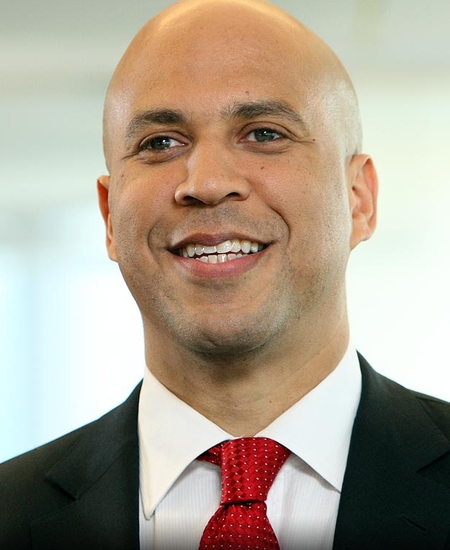
119th Congress Introduced by Cory Booker and 1 co-sponsor

Directs the withdrawal of U.S. armed forces from Iran hostilities not authorized by Congress.

Introduced in Senate
0
WeVote Research Nonpartisan
Bill Summary · SJRES 183

Summary of SJRES 183 (Session 119)

Overview

  • Type: Joint Resolution
  • Title: A joint resolution to direct the removal of United States Armed Forces from hostilities within or against the Islamic Republic of Iran that have not been authorized by Congress
  • Status: Introduced in the Senate and read twice; referred to the Committee on Foreign Relations (as of 2026-04-13)
  • Sponsor: United States Senator Cory Booker (co-sponsor)

Purpose and Intent

The primary aim of SJRES 183 is to require the removal of U.S. armed forces from hostilities involving Iran that have not received authorization from Congress. In other words, it seeks to constrain or end military actions against Iran that are conducted without a formal, specific authorization from Congress.

Key Provisions (as typically included in a joint resolution of this nature)

  • Directs removal of forces: The resolution would mandate the withdrawal of U.S. armed forces engaged in hostilities with or against Iran that lack congressional authorization.
  • Scope of hostilities: Applies to ongoing or future hostilities related to Iran that are not explicitly authorized by Congress.
  • Authority and compliance: Likely establishes Congressional grounds for the executive branch to remove or disengage forces, asserting Congress’s prerogative over military action.
  • Timeline expectations: The resolution may outline a deadline or a phased withdrawal plan, though specific dates are not provided in the summary information available.

Affected Parties and Impacts

  • U.S. Armed Forces: Potential redeployment or withdrawal from operations against Iran lacking congressional authorization.
  • Executive Branch (President and military leadership): Would need to adjust ongoing and planned military activities with Iran to align with the congressional directive.
  • Congress: Reasserts constitutional oversight over initiating and continuing military hostilities; could influence future war powers decisions.
  • Iran-related operations: Any U.S. military activities or engagements with Iran without congressional authorization would be affected.

Procedural and Timeline Considerations

  • Introduction and referral: For this bill, introduced in the Senate and referred to the Committee on Foreign Relations on April 13, 2026.
  • Next steps: The committee would review, potentially amend, and vote on the bill before it could proceed to the full Senate. If advanced, it would require consideration by the full chamber and then potentially reconciliation with any House counterparts (if applicable) and presidential action.
  • Political context: As a joint resolution focusing on military-authority matters, passage would rely on garnering sufficient support under the War Powers framework and implications for executive branch powers.

Notes

  • The summary reflects the information available from the bill’s action history and title. The specific text of the bill would provide exact language, definitions (e.g., what constitutes “hostilities,” what constitutes “authorization by Congress,” and any exemptions or transition provisions).
  • As with any defense-related measure, debated aspects could include considerations of national security, international commitments, and the balance of war powers between Congress and the President.

If you’d like, I can tailor this summary to focus on particular audiences (e.g., policymakers, advocacy groups, or the general public) or incorporate any additional text from the bill as it becomes available.

Compiled from official sources — confirm details with the bill’s official record.

Sign in to ask a question.