

WeVote

Bill

Bill

SJRES 208

A joint resolution providing for congressional disapproval under chapter 8 of title 5, United States Code, of the rule submitted by the Environmental Protection Agency relating to "California State Motor Vehicle Pollution Control Standards; Advanced Clean Car Program; Reconsideration of a Previous Withdrawal of a Waiver of Preemption; Notice of Decision".

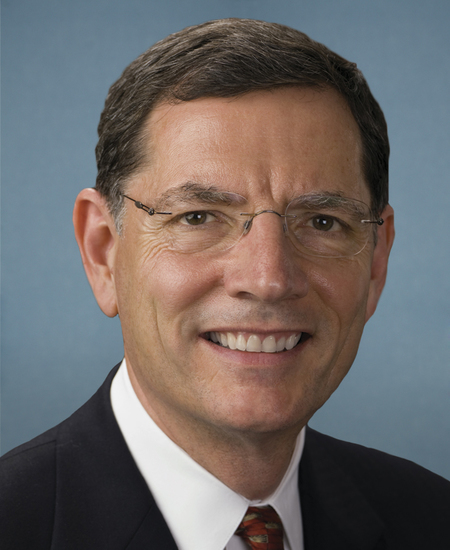
119th Congress Introduced by John Barrasso and 8 co-sponsors

Congressional disapproval would nullify EPA's California Advanced Clean Car rule, preventing it from taking effect and keeping current standards in place.

Introduced in Senate
0
WeVote Research Nonpartisan
Bill Summary · SJRES 208

Summary of SJRES 208 (Session 119)

Purpose and intent

  • This joint resolution provides for congressional disapproval under the congressional review process (Chapter 8 of title 5, United States Code) of a rule proposed by the Environmental Protection Agency (EPA) relating to California’s state motor vehicle pollution control standards.
  • Specifically, the resolution targets EPA’s rule titled: “California State Motor Vehicle Pollution Control Standards; Advanced Clean Car Program; Reconsideration of a Previous Withdrawal of a Waiver of Preemption; Notice of Decision.”
  • In practical terms, if enacted, the resolution would nullify or block the EPA rule by disapproving it under the CH 8 procedures, preventing the rule from taking effect or continuing its effect in relation to federal preemption and authorization.

Key provisions and changes

  • Congressional disapproval mechanism: The resolution uses the statutory process in 5 U.S.C. Chapter 8, which allows Congress to disapprove agency rules through joint resolution, subject to enactment into law (presidential signature or veto considerations apply in practice; typically, passage by both chambers would be required).
  • Rule targeted: EPA’s rule concerning California’s Advanced Clean Car Program, including reconsideration of a prior withdrawal of a waiver of preemption and a Notice of Decision. This implicates:
    • California’s authority to set more stringent motor vehicle emissions standards than federal requirements.
    • The EPA’s decision on whether California’s standards and programs are preempted or authorized under federal law.
  • Effect of disapproval: If the joint resolution becomes law, the EPA rule would be nullified or not allowed to take effect, thereby maintaining/returning to the status quo prior to the challenged rule. The precise administrative consequences would align with CH 8 outcomes, typically preventing the rule from becoming effective and not altering preemption determinations unless Congress acts otherwise.

Who or what would be affected

  • Federal agencies: EPA (the rulemaking action targeted).
  • California and other states: The ability to implement stricter vehicle emissions standards (Advanced Clean Car Program) and related waiver decisions, subject to federal preemption rules.
  • Automotive industry and motor vehicle buyers: Implications for vehicle emissions standards, compliance costs, and projected availability of vehicles meeting California’s standards.
  • Policymakers: Congressional role in reviewing and potentially overruling agency actions via the CH 8 process.

Procedural and timeline aspects

  • Introduction and referral: Introduced in the Senate on August 5, 2026, and read twice; referred to the Committee on Environment and Public Works.
  • Sponsors:
    • Co-sponsors include Cynthia Lummis, Eric Schmitt, Pete Ricketts, Roger Marshall, Bernie Moreno, Jon Husted, John Barrasso, and Deb Fischer.
  • Legislative path: As a joint resolution under CH 8, it would need passage by both chambers and, typically, presidential approval to become law. If enacted, it would block the EPA rule; if not enacted, the EPA rule could proceed subject to other legal and administrative considerations.
  • Timing: The bill’s current status places it early in the process for the 119th Congress, with a potential impact contingent on subsequent committee action and floor votes.

Practical considerations and potential impact

  • Legal/constitutional: Uses the statutory mechanism for disapproval of agency rules, representing a check by Congress on EPA rulemaking.
  • Policy implications: Any disapproval could slow or halt California’s stricter emissions program, affecting state-federal dynamics on vehicle pollution standards.
  • Environmental and market impact: Potential changes in emissions trajectories, auto industry compliance strategies, and consumer choices depending on how standards converge or diverge between federal and state frameworks.

If you’d like, I can add a brief comparison to prior CH 8 actions or provide a hypothetical timeline with potential floor votes and veto considerations.

Compiled from official sources — confirm details with the bill’s official record.

Sign in to ask a question.