

WeVote

Bill

Bill

SJRES 207

A joint resolution providing for congressional disapproval under chapter 8 of title 5, United States Code, of the rule submitted by the Environmental Protection Agency relating to "California State Motor Vehicle Pollution Control Standards; Notice of Decision Granting a Waiver of Clean Air Act Preemption for California's Advanced Clean Car Program and a Within the Scope Conformation for California's Zero Emission Vehicle Amendments for 2017 and Earlier Model Years".

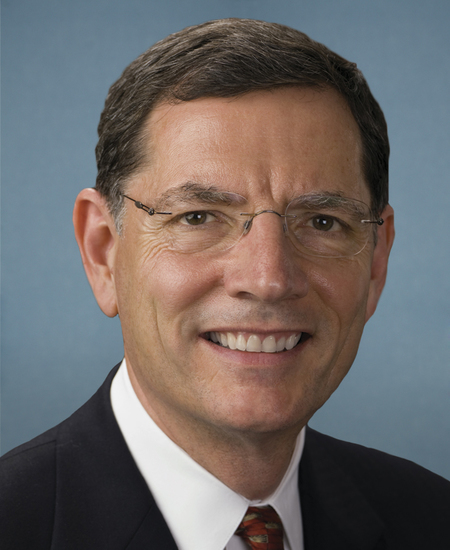
119th Congress Introduced by John Barrasso and 7 co-sponsors

The bill would nullify the EPA waiver that allows California to enforce its 2017 and earlier model year clean car standards and ZEV amendments.

Introduced in Senate
0
WeVote Research Nonpartisan
Bill Summary · SJRES 207

Overview

Senate Joint Resolution 207 (SJRES 207) is a proposed joint resolution under the congressional disapproval process set out in chapter 8 of title 5, United States Code. If enacted, it would nullify a specific rule issued by the Environmental Protection Agency (EPA) relating to California’s motor vehicle pollution standards and associated waiver decisions under the Clean Air Act. The bill was introduced in the 119th Congress and has been read twice and referred to the Senate Committee on Environment and Public Works. It has a bipartisan set of co-sponsors.

Purpose and Intent

  • The central purpose of SJRES 207 is to terminate (disapprove) the EPA rule that granted California a waiver of federal preemption for its advanced Clean Car Program and related zero-emission vehicle (ZEV) amendments for 2017 and earlier model years.
  • By using the congressional disapproval mechanism, the bill seeks to overturn the EPA’s decision and prevent California’s standards and any within-scope conforming amendments from taking effect as approved in that rule.

Key Provisions and Changes

  • Disapproval of EPA Rule: The resolution, if enacted, would nullify the specific EPA rulemaking that granted California a waiver and allowed California to implement and enforce its Advanced Clean Car Program and ZEV-related amendments for older model-year vehicles (2017 and earlier).
  • Scope: The disapproval targets the EPA’s waiver decision and any within-scope conformity actions tied to California’s program for those model years, effectively blocking California’s standards from becoming part of federal preemption-aligned requirements.
  • Congressional Action: The mechanism used is a joint resolution under the federal congressional disapproval process (chap. 8, title 5), which, if enacted, would prevent the agency action from taking effect or would repeal it retroactively, depending on the procedural posture.

Who and What Is Affected

  • State Regulatory Regime: California’s motor vehicle emission standards for 2017 and earlier model years that were authorized by the EPA waiver would be affected. The resolution would prevent those standards from being implemented under the waived authority.
  • Federal and Industry Stakeholders: Automakers, suppliers, and other stakeholders operating under California’s program, as well as federal and state environmental policy coordination, would be impacted because California’s standards and conformity rules for those model years would no longer have EPA-waived status.
  • Public Health and Environment: Potential implications for emissions, air quality, and related regulatory certainty for vehicles in the affected model-year categories.

Procedural and Timeline Aspects

  • Introduction and Referral: SJRES 207 was introduced in the Senate and referred to the Committee on Environment and Public Works on August 5, 2026.
  • Action History: The bill has progressed to “read twice” status in the Senate as part of the legislative process and awaits committee consideration and potential floor action.
  • Deadline and Process: As a joint resolution under the congressional disapproval framework, passage requires concurrence by both chambers and presentation to the President for signature or veto, within the usual legislative timelines for emergency or standard consideration, depending on legislative calendar and Senate rules.

Potential Impacts and Considerations

  • Policy Alignment: The bill would realign U.S. federal motor vehicle standards with respect to California’s 2017 and earlier model-year programs, potentially reducing California’s regulatory autonomy in this specific area.
  • Automotive Market Implications: Uncertainty for manufacturers that had begun to align products and compliance strategies with the EPA waiver for those model years; impacts would depend on subsequent federal or state regulatory actions.
  • Environmental Outcomes: Possible changes to emissions trajectories for older model-year vehicles, with downstream effects on air quality, especially in regions relying on California’s stricter standards.

If you’d like, I can expand this with a side-by-side comparison of current EPA waiver status versus the proposed disapproval, or provide a brief summary of the congressional disapproval process under 5 U.S.C. chapter 8.

Compiled from official sources — confirm details with the bill’s official record.

Sign in to ask a question.