

WeVote

Bill

Bill

SJRES 206

A joint resolution providing for congressional disapproval under chapter 8 of title 5, United States Code, of the rule submitted by the Environmental Protection Agency relating to "California State Motor Vehicle Pollution Control Standards; Notice of Decision Granting a Waiver of Clean Air Act Preemption for California's 2009 and Subsequent Model Year Greenhouse Gas Emission Standards for New Motor Vehicles".

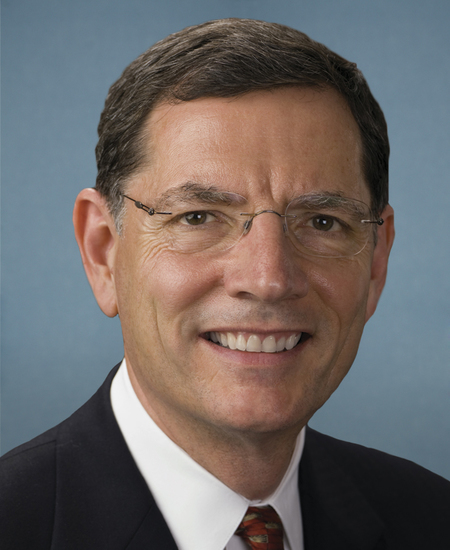
119th Congress Introduced by John Barrasso and 8 co-sponsors

The bill would nullify the EPA's 2009 waiver allowing California to set its own stricter greenhouse gas vehicle standards.

Introduced in Senate
0
WeVote Research Nonpartisan
Bill Summary · SJRES 206

Overview

  • Type: Joint resolution under Chapter 8 of title 5, United States Code
  • Purpose: To disapprove the Environmental Protection Agency (EPA) rule granting a waiver of Clean Air Act preemption for California’s Greenhouse Gas (GHG) emissions standards for new motor vehicles starting with the 2009 and subsequent model years.
  • Status: Introduced in the Senate on August 5, 2026; referred to the Senate Committee on Environment and Public Works. No floor action listed yet.
  • Principal sponsors: Senator Schwarz? (listed as Mr. Schmitt) along with co-sponsors including Senators Lummis, Ricketts, Husted, Marshall, Barrasso, Fischer, Moreno, Sullivan, and Schmitt.

Main purpose and intent

  • The bill seeks congressional disapproval of the EPA’s 2009 rule (published July 8, 2009 as 74 Fed. Reg. 32744) that granted California a waiver under the Clean Air Act to implement its own GHG emission standards for new motor vehicles (beginning with the 2009 and later model years).
  • If enacted, the resolution would nullify the EPA rule, restoring no force or effect to the waiver decision.

Key provisions and changes

  • Legislative action: A joint resolution of disapproval under Chapter 8 of title 5, U.S.C., which is a mechanism for Congress to disapprove a federal agency rule.
  • Effect if enacted: The EPA rule granting California’s waiver would be considered without effect (i.e., invalidated); California would not retain the waiver to enforce its own GHG emission standards beyond existing federal authority, at least insofar as the disapproved rule is concerned.
  • Specific rule targeted: The EPA’s decision granting California a waiver for its 2009 and subsequent model year GHG emission standards for new motor vehicles, as published in the Federal Register (74 Fed. Reg. 32744, July 8, 2009).

Who/what would be affected

  • California’s motor vehicle emissions standards: The disapproval would impact California’s ability to rely on the EPA waiver for enforcing its own GHG emission standards, potentially affecting California’s authority to maintain more stringent standards than federal requirements.
  • Automakers and manufacturers: Vehicle producers operating in California (and any other states adopting California’s standards) could face changes in regulatory expectations or the necessity to align with federal emissions standards rather than California’s stricter standards, depending on subsequent federal or state actions.
  • Federal-state regulatory framework: The action would reassert federal authority by removing California’s waiver-based preemption pathway for its GHG standards.

Procedural and timeline aspects

  • Legislative path: The joint resolution would go through the standard Congress process for disapproval under 5 U.S.C. Chapter 8. This typically requires passage in both the Senate and the House, followed by signature or veto resolution (if applicable) from the President.
  • Timeline: The bill text provided does not specify a retroactive or prospective date beyond its relation to the 2009 waiver rule. If enacted, the effective date would align with the date of enactment or as specified by the joint resolution; further details would appear in floor debates or the final engrossed text.
  • Current status: As of the provided information, it has been read twice in the Senate and referred to the Committee on Environment and Public Works. No committee report or floor passage dates are listed.

Notes

  • The resolution does not propose new standards or funding; it is a procedural measure aimed at reversing a past EPA waiver decision.
  • The bill reflects ongoing congressional use of disapproval tools to influence or override agency actions related to environmental regulation and vehicle emissions policy.

Compiled from official sources — confirm details with the bill’s official record.

Sign in to ask a question.