

WeVote

Bill

Bill

SJRES 199

A joint resolution providing for congressional disapproval under chapter 8 of title 5, United States Code, of the rule submitted by the Department of Health and Human Services relating to "Restoring Flexibility in the Child Care and Development Fund (CCDF)".

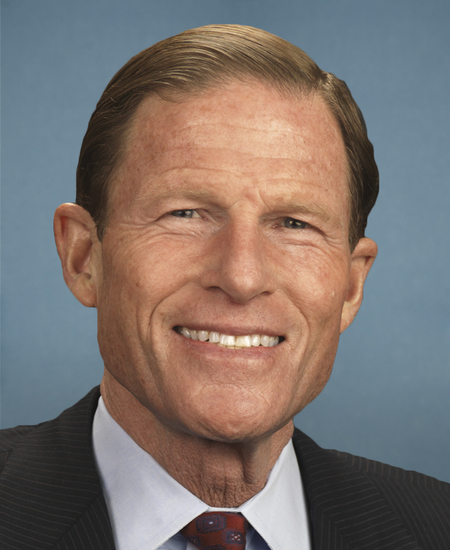
119th Congress Introduced by Richard Blumenthal and 14 co-sponsors

The bill would disapprove an HHS CCDF rule, blocking its changes and restoring prior flexibility in how CCDF funds and requirements are applied.

Introduced in Senate
0
WeVote Research Nonpartisan
Bill Summary · SJRES 199

Purpose of the bill

  • SJRES 199 is a joint resolution aimed at disapproving a Department of Health and Human Services (HHS) rule related to the Child Care and Development Fund (CCDF).
  • Specifically, it invokes Congress’s authority under chapter 8 of title 5, United States Code to disapprove the rule proposed by HHS, thereby preventing or reversing the agency’s regulatory changes described as “Restoring Flexibility in the Child Care and Development Fund (CCDF).”

Key provisions and changes

  • Disapproval mechanism: The bill uses the Congressional Review Act (CRA) process to disapprove a federal agency rule. If enacted, the disapproval would nullify the HHS rule in question and prevent it from taking effect or could reverse its effects, depending on the timing and interim regulations.
  • Scope of rule targeted: The rule pertains to CCDF, a program that provides funding and support for child care and development services for low-income families, including eligibility, standards, and flexibility mechanisms. The phrase “Restoring Flexibility in the CCDF” suggests changes intended to revert or modify flexibility previously granted to states in how CCDF funds are used or administered.
  • Legislative outcome: Passage would require either Senate approval of the joint resolution and, typically, House approval and the President’s signature (unless there are special CRA timelines or procedures). If vetoed, no change to the rule.

Who/what would be affected

  • Primary: The HHS, and specifically the agency implementing CCDF-related regulations.
  • State and local CCDF administrators: States and territories that administer CCDF subgrants to providers would be directly impacted by the disapproval, as it would revert or constrain the specific regulatory changes the rule introduced.
  • Child care providers and families: Indirectly affected through changes in CCDF policy that influence eligibility, funding levels, administrative requirements, and flexibility in program implementation.
  • Beneficiaries: Low-income families relying on subsidized child care, and providers serving those families.

Procedural and timeline aspects

  • Introduction and referral: The bill was introduced in the Senate and referred to the Committee on Health, Education, Labor, and Pensions (HELP) for consideration.
  • Action history: The bill’s current stage is “read twice and referred,” indicating it has passed an initial reading and advanced to committee review in the 119th Congress, with potential subsequent floor consideration.
  • Collaboration and sponsorship: The bill lists a broad group of co-sponsors from across the political spectrum, signaling bipartisan interest in addressing CCDF rule changes. Notable co-sponsors include Ruben Gallego, Angus King, Elizabeth Warren, Richard Blumenthal, Chris Van Hollen, Jeanne Shaheen, Ron Wyden, Jeff Merkley, Bernie Sanders, Ed Markey, Cory Booker, Kirsten Gillibrand, Patty Murray, Mazie Hirono, and Alex Padilla.

Potential impacts and considerations

  • Policy direction: The resolution would shift policy away from the HHS rule potentially framed as “Restoring Flexibility,” by disapproving it; the exact effects depend on the specific provisions of the rule being blocked (e.g., eligibility criteria, administrative flexibility, reporting requirements, or state-level waivers).
  • State implementation: States may face changes in administrative burden or funding flexibility, which could affect how CCDF dollars are allocated to providers, required qualifications, or reporting standards.
  • Administrative consequences: If the rule had been designed to streamline operations or increase efficiency, disapproval could increase regulatory complexity or delay in implementing changes.

Note: For precise details on the rule’s text and the specific provisions targeted by the disapproval, consult the issued HHS CCDF rule language and the Congressional Review Act summary accompanying SJRES 199.

Compiled from official sources — confirm details with the bill’s official record.

Sign in to ask a question.