

WeVote

Bill

Bill

SJRES 177

A joint resolution providing for congressional disapproval under chapter 8 of title 5, United States Code, of the rule submitted by the Bureau of Consumer Financial Protection relating to "Registry of Nonbank Covered Persons Subject to Certain Agency and Court Orders; Rescission".

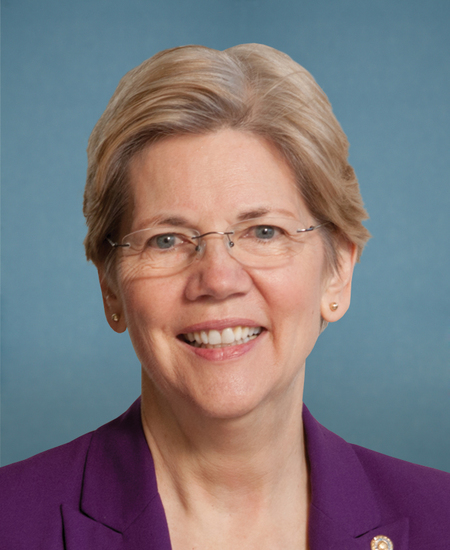
119th Congress Introduced by Elizabeth Warren

A Senate joint resolution would rescind the CFPB rule creating a registry of nonbank covered persons, halting enforcement and access to the registry.

Introduced in Senate
0
WeVote Research Nonpartisan
Bill Summary · SJRES 177

Summary: SJRES 177 (Session 119) — Joint Resolution disapproving the Bureau of Consumer Financial Protection rule on “Registry of Nonbank Covered Persons Subject to Certain Agency and Court Orders; Rescission”

Purpose

  • This joint resolution uses the congressional disapproval process under Chapter 8 of title 5, United States Code, to nullify a rule issued by the Bureau of Consumer Financial Protection (CFPB).
  • Specifically targets the CFPB rule titled “Registry of Nonbank Covered Persons Subject to Certain Agency and Court Orders; Rescission.”
  • The sponsors indicate a legislative maneuver to block the rule from taking effect or remaining in force.

Key Provisions and Changes

  • Disapproval Mechanism: The resolution, if enacted, would nullify the CFPB rule under the Congressional Review Act framework that allows Congress to disapprove newly issued federal agency rules.
  • Effect on Rule: If the joint resolution becomes law, the CFPB rule would be considered not in effect. This prevents the registry rule from being implemented or enforced.
  • Scope of Rule Disapproved: The targeted rule creates or governs a registry of nonbank covered persons who are subject to certain agency and court orders. The disapproval would rescind that rule in its entirety or specific provisions identified by Congress, depending on the text of the joint resolution.
  • Administrative Consequences: CFPB would be prohibited from enforcing or relying on the disapproved rule, and any related regulatory or reporting requirements would be halted unless alternative guidance or rules are issued.

Who/What Would Be Affected

  • CFPB Rule Subject: The “Registry of Nonbank Covered Persons Subject to Certain Agency and Court Orders; Rescission” rule.
  • Nonbank Covered Persons: Entities or individuals designated as nonbank covered persons under the CFPB rule could be impacted by the rescission, as the registry would no longer be in effect or accessible for regulatory or enforcement purposes.
  • Federal Regulatory Landscape: The disapproval would remove the compliance universe created by the rule, potentially altering how the CFPB tracks or disseminates information about individuals/entities subject to specific orders.

Procedural and Timeline Aspects

  • Introduction and Referral: SJRES 177 was introduced in the Senate and referred to the Committee on Banking, Housing, and Urban Affairs on April 13, 2026.
  • Sponsorship: The bill lists Senator Elizabeth Warren as a co-sponsor.
  • Next Steps for Bill: As a Senate joint resolution under the Congressional Review Act, passage requires approval by both the Senate and the House of Representatives and then presentation to the President for signature or veto. If signed, the rule would be rescinded; if vetoed or failed, the rule could remain in effect subject to other regulatory actions.

Additional Context

  • Policy Implications: Congressional disapproval under this mechanism is a direct check on agency rulemaking and can influence how the CFPB conducts regulatory oversight and information-sharing activities related to enforcement orders.
  • Public Impact Considerations: Stakeholders including financial institutions, consumer groups, and parties subject to orders may respond to the potential removal of the registry by adjusting compliance strategies and enforcement expectations.

If you’d like, I can add a section comparing this disapproval action to other potential regulatory actions or provide a brief timeline of the Congressional Review Act process.

Compiled from official sources — confirm details with the bill’s official record.

Sign in to ask a question.