

WeVote

Bill

Bill

SJRES 167

A joint resolution providing for congressional disapproval under chapter 8 of title 5, United States Code, of the rule submitted by the Bureau of Consumer Financial Protection relating to the withdrawal of the rule relating to "Consumer Information Requests to Large Banks and Credit Unions".

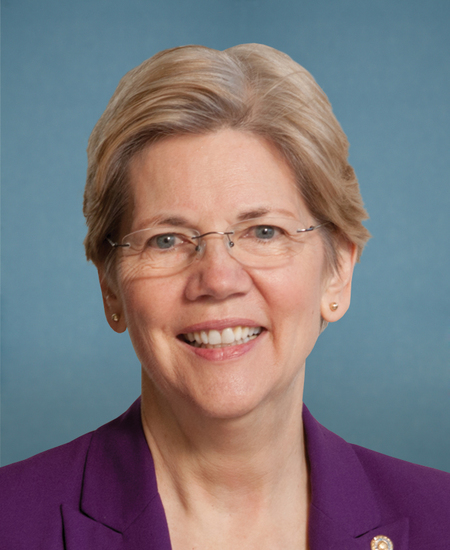
119th Congress Introduced by Elizabeth Warren

The bill would prevent the CFPB from withdrawing the rule on consumer information requests to large banks and credit unions, keeping the rule in force.

Introduced in Senate
0
WeVote Research Nonpartisan
Bill Summary · SJRES 167

Summary of SJRES 167 (Session 119, United States)

What the bill aims to do

  • SJRES 167 is a joint resolution that provides for congressional disapproval under the procedural mechanism in chapter 8 of title 5, United States Code.
  • Specifically, it targets a rule submitted by the Bureau of Consumer Financial Protection (CFPB) related to the withdrawal of the rule about “Consumer Information Requests to Large Banks and Credit Unions.”
  • In practical terms, the bill would nullify (disapprove) the CFPB’s action to withdraw that particular rule, effectively preventing the withdrawal and preserving the rule in place unless Congress later changes it.

Key provisions and changes the bill would make

  • Congressional disapproval: If enacted, the joint resolution would obstruct the CFPB’s withdrawal of the subject rule. This employs the Congressional Review Act (CRA) mechanism to disapprove agency actions, creating a statutory check on the executive branch’s ability to modify or withdraw a rule.
  • Scope: The disapproval applies specifically to the CFPB rule concerning “Consumer Information Requests to Large Banks and Credit Unions,” including the agency’s authority, requirements, and procedures related to consumer information requests.
  • Legislative effect: Once enacted, the disapproval would prevent the withdrawal, leaving the rule in force (to the extent the rule itself remains subject to ongoing regulatory framework and any other applicable legal challenges or changes).

Who or what would be affected

  • Federal regulator: The CFPB would be constrained from withdrawing the specified rule.
  • Large banks and credit unions: Institutions covered by the rule would continue to be subject to the current requirements and processes related to consumer information requests, as outlined by the rule.
  • Consumers: Individuals whose rights and access to information under the rule would remain governed by the active CFPB rule.
  • Regulatory framework: The bill uses the CRA process, which interacts with Executive Branch regulatory actions; passage would shape how the CFPB can modify or withdraw rules in this area going forward.

Procedural and timeline aspects

  • Introduction: The bill was introduced in the U.S. Senate on April 13, 2026.
  • Readings and referral: On April 13, 2026, the bill was read twice and referred to the Committee on Banking, Housing, and Urban Affairs.
  • Sponsorship: The bill has a co-sponsor, Sen. Elizabeth Warren.
  • Next steps (typical): If the Senate passes the joint resolution, it would move to the House (if not already companion). Under the CRA, passage requires a simple majority in both chambers and follows no presidential signature in some CRA disapproval actions depending on applicable procedures; however, the exact enactment process would depend on how the bill advances through both chambers and any House considerations.

Additional context

  • This measure is part of a broader framework of checks and balances on agency rulemaking and withdrawal authority. It reflects legislative concern about how consumer information requests are regulated and who controls changes to those regulatory requirements.

If you’d like, I can add a brief comparison to typical CRA disapproval processes or provide potential policy implications and counterarguments to better understand the debate surrounding this bill.

Compiled from official sources — confirm details with the bill’s official record.

Sign in to ask a question.