

WeVote

Bill

Bill

SJRES 159

A joint resolution providing for congressional disapproval under chapter 8 of title 5, United States Code, of the rule submitted by the Bureau of Consumer Financial Protection relating to the withdrawal of the rule relating to "Consumer Financial Protection Circular 2022-05: Debt Collection and Consumer Reporting Practices Involving Invalid Nursing Home Debts".

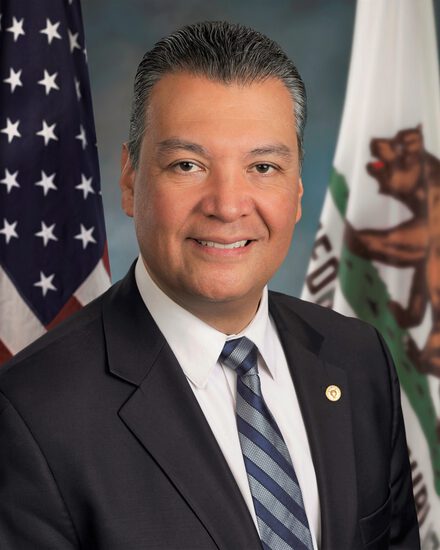
119th Congress Introduced by Alex Padilla

The bill would use the CRA to reverse the CFPB’s withdrawal of the Nursing Home Debt Circular 2022-05, keeping or reinstating its protections for debt collection and reporting.

Introduced in Senate
0
WeVote Research Nonpartisan
Bill Summary · SJRES 159

Summary of SJRES 159 (119th Congress)

What the bill does

SJRES 159 is a joint resolution that uses the congressional disapproval process under the Congressional Review Act (chapter 8 of title 5, United States Code) to overturn a rule issued by the Consumer Financial Protection Bureau (CFPB). Specifically, it targets the CFPB’s withdrawal of the rule titled “Consumer Financial Protection Circular 2022-05: Debt Collection and Consumer Reporting Practices Involving Invalid Nursing Home Debts.”

In short: if enacted, the joint resolution would invalidate the CFPB’s withdrawal action, thereby reinstating the previously issued rule (or maintaining the rule as it stood prior to the disputed withdrawal), depending on the exact regulatory status preceding the withdrawal. The mechanism is a simple disapproval of the CFPB’s withdrawal action, using the CRA process to nullify the agency’s decision to remove or rescind the rule.

main purpose and intent

  • To nullify the CFPB’s decision to withdraw the rule “Consumer Financial Protection Circular 2022-05,” which addresses debt collection and consumer reporting practices related to invalid nursing home debts.
  • To ensure continued regulatory guidance or protections established by the Circular 2022-05, as modified by the withdrawal action, effectively preserving or reinstating the rule’s stipulations.

Key provisions and changes (substantive)

  • Utilizes the Congressional Review Act disapproval mechanism to reverse the CFPB’s withdrawal of the specified rule.
  • Prohibits further action by the CFPB to withdraw or amend the rule as it applies to the circular in question, unless Congress again acts under CRA procedures.
  • The joint resolution itself does not alter the text of the rule but blocks the agency’s withdrawal/undercutting of that rule.

Who/what would be affected

  • The primary affected entity is the Consumer Financial Protection Bureau, in the sense that its administrative action to withdraw the rule would be blocked.
  • Debtors, consumers, and entities involved in debt collection and consumer reporting practices related to nursing home debts could experience ongoing or restored protections and requirements established by Circular 2022-05.
  • Nursing home residents and families who may be targeted or affected by debt collection practices and reporting on invalid debts.

Procedural and timeline aspects

  • Introduction and referral: Introduced in the Senate and referred to the Committee on Banking, Housing, and Urban Affairs (April 13, 2026).
  • Sponsor: U.S. Senator Alex Padilla is listed as a co-sponsor.
  • Process: As a CRA disapproval resolution, if passed by both chambers and signed by the President (or enacted via a joint resolution override mechanism if applicable), it would nullify the CFPB’s withdrawal action and reinstate or preserve the rule’s effect.
  • Timing specifics beyond introduction and referral are not detailed in the provided information. The CRA process typically involves expedited consideration and vote timelines, with potential procedural hurdles in the Senate and House.

Notes

  • The summary reflects the information available: a joint resolution under the CRA aimed at disapproving the CFPB’s withdrawal of a specific rule about debt collection and nursing home debts.
  • No fiscal impact is stated in the provided text; CRA disapproval resolutions usually focus on regulatory policy rather than direct appropriations.

If you’d like, I can add a brief background on the underlying rule (Circular 2022-05) or outline a quick comparison of CRA disapproval vs. other regulatory review mechanisms.

Compiled from official sources — confirm details with the bill’s official record.

Sign in to ask a question.