

WeVote

Bill

Bill

SJRES 2

A joint resolution proposing amendments to the Constitution of the United States relative to the line item veto, a limitation on the number of terms that a Member of Congress may serve, and requiring a vote of two-thirds of the membership of both Houses of Congress on any legislation raising or imposing new taxes or fees.

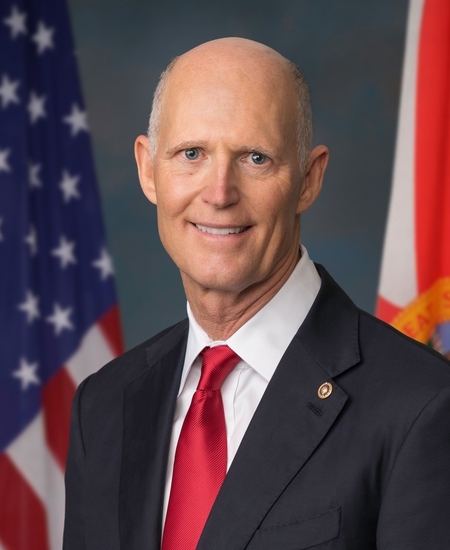
119th Congress Introduced by Rick Scott

SJRES 2 proposes a line item veto for the President, term limits for Congress, and requires a two-thirds vote for new taxes, enhancing fiscal accountability and governance.

Introduced in Senate
0
WeVote Research Nonpartisan
Bill Summary · SJRES 2

Summary of SJRES 2

Bill Number: SJRES 2
Title: A joint resolution proposing amendments to the Constitution of the United States relative to the line item veto, a limitation on the number of terms that a Member of Congress may serve, and requiring a vote of two-thirds of the membership of both Houses of Congress on any legislation raising or imposing new taxes or fees.
Status: Introduced in Senate
Introduced Date: January 08, 2025
Classification: Resolution

Purpose and Intent

SJRES 2 aims to propose several amendments to the United States Constitution that focus on enhancing fiscal responsibility and accountability in Congress. The resolution seeks to implement a line item veto for the President, limit congressional terms, and impose stricter requirements for passing legislation that raises taxes or fees.

Key Provisions

  1. Line Item Veto:

    • The President would have the authority to reduce or disapprove specific appropriations in any bill or joint resolution presented to them. This provision aims to give the President more control over federal spending by allowing them to eliminate unnecessary expenditures without vetoing entire bills.
  2. Term Limits for Congress Members:

    • The resolution proposes a limitation on the number of terms that a Member of Congress may serve. While the specific number of terms is not detailed in the resolution text, this provision is intended to promote fresh perspectives in Congress and reduce the potential for career politicians.
  3. Tax Legislation Requirements:

    • Any legislation that raises or imposes new taxes or fees would require a two-thirds majority vote from both Houses of Congress. This provision aims to ensure that tax increases are subject to a higher threshold of agreement, thereby making it more challenging to pass such legislation without broad bipartisan support.

Affected Parties

  • Members of Congress: The proposed term limits would directly impact current and future Members of Congress, potentially altering the political landscape and the dynamics of legislative power.
  • The President: The line item veto would grant the President greater authority over budgetary decisions, affecting how federal funds are allocated.
  • Taxpayers and Citizens: The requirement for a two-thirds vote on tax legislation could affect taxpayers by making it more difficult for Congress to raise taxes, thereby influencing fiscal policy and government funding.

Procedural Aspects

  • Introduced in Senate: The resolution was introduced and read twice on January 08, 2025, and subsequently referred to the Committee on the Judiciary for further consideration.
  • Ratification Process: For the proposed amendments to become part of the Constitution, they must be ratified by the legislatures of three-fourths of the states within seven years of submission.

Related Bills

  • HJRES 12: A companion bill that may address similar issues or provisions.
  • SJRES 1: Another companion bill that could be related to the themes of fiscal responsibility and congressional authority.

This summary provides an overview of SJRES 2, highlighting its main objectives, key provisions, and potential implications for governance in the United States.

Compiled from official sources — confirm details with the bill’s official record.

Sign in to ask a question.