

WeVote

Bill

Bill

SCONRES 1

A concurrent resolution extending the life of the Joint Congressional Committee on Inaugural Ceremonies.

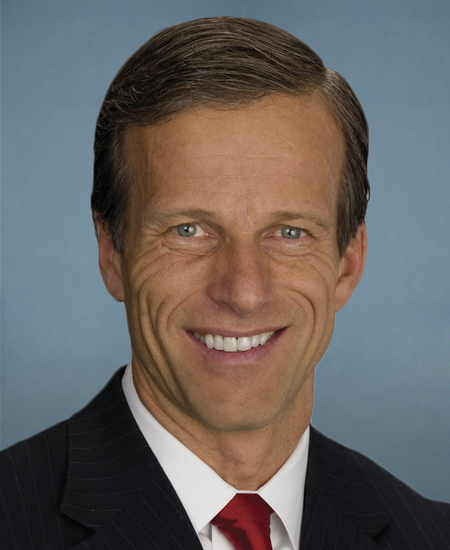
119th Congress Introduced by John Thune

Continues the Joint Congressional Committee on Inaugural Ceremonies with the same powers as before, to plan and conduct the presidential and vice presidential inaugural activities.

Motion to reconsider laid on the table Agreed to without objection.
0
WeVote Research Nonpartisan
Bill Summary · SCONRES 1

Summary — S.CON.RES.1 (118th Congress)

Title: A concurrent resolution extending the life of the Joint Congressional Committee on Inaugural Ceremonies
Sponsor: Sen. John Thune (primary)
Introduced: January 3, 2025
Status: Agreed to by both chambers (motion to reconsider laid on the table); agreed to without objection.

Purpose

S.Con.Res.1 continues the Joint Congressional Committee on Inaugural Ceremonies (the joint committee established by S.Con.Res.34 of the 118th Congress) and reauthorizes it, effective January 3, 2025, to make necessary arrangements for the inauguration of the President‑elect and Vice President‑elect. The resolution preserves the committee’s existing powers and authority as set forth in the earlier resolution.

Key provisions

  • Continues the joint committee created by Senate Concurrent Resolution 34 (118th Congress).
  • Effective date: January 3, 2025.
  • Explicitly continues the committee “with the same power and authority provided for in that resolution” (i.e., S.Con.Res.34). No textual changes or additional authorities are included in this enrolled version.

Who or what is affected

  • Primary effect: the Joint Congressional Committee on Inaugural Ceremonies and congressional entities responsible for planning and conducting the presidential and vice‑presidential inaugural ceremonies.
  • Secondary effect: federal, District of Columbia, and private entities that coordinate with Congress on inaugural logistics and ceremonies (through the committee’s actions), to the extent the committee exercises its planning and coordinating functions.
  • This is an internal congressional (procedural) action — it does not create a public law and does not require the President’s signature.

Procedural history & timeline

  • Introduced in the Senate: January 3, 2025 (by Sen. John Thune).
  • Submitted, considered, and agreed to in the Senate by Unanimous Consent: January 3, 2025.
  • Message on Senate action sent to the House; received and agreed to in the House: January 3, 2025 (agreed to without objection).
  • Motion to reconsider laid on the table (agreed to without objection) on January 3, 2025.
  • Enrolled and agreed language mirrors engrossed and agreed texts: continuation of the committee effective January 3, 2025.

Notes / implications

  • Concurrent resolutions governing joint congressional committees are routine tools to authorize committees for specific functions (here, inaugural planning). They are internal to Congress and do not have the force of law outside congressional procedures.
  • For details on the committee’s membership, specific powers, or any budgetary authorities, consult S.Con.Res.34 (118th Congress), which this resolution expressly incorporates by reference.

Compiled from official sources — confirm details with the bill’s official record.

Sign in to ask a question.