

WeVote

Bill

Bill

SCONRES 37

A concurrent resolution authorizing the use of the rotunda of the Capitol for a ceremony to honor the late Senator Lindsey O. Graham.

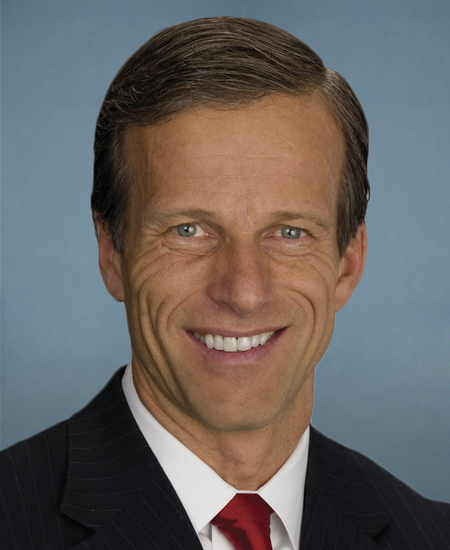
119th Congress Introduced by John Thune

The resolution authorizes a formal Capitol Rotunda ceremony to honor the late Senator Lindsey O. Graham.

Motion to reconsider laid on the table Agreed to without objection.
0
WeVote Research Nonpartisan
Bill Summary · SCONRES 37

Summary of SCONRES 37 (119th Congress)

Purpose and intent

  • SCONRES 37 is a concurrent resolution authorizing the use of the Rotunda of the Capitol for a ceremony to honor the late Senator Lindsey O. Graham.
  • The resolution expresses congressional approval for utilizing the Capitol Rotunda space to commemorate and pay tribute to the contributions and service of Senator Lindsey O. Graham.

Key provisions and changes

  • Authorization of Space: Grants permission for a specific ceremony to take place in the Capitol Rotunda, a high-profile ceremonial venue within the Capitol complex.
  • Purpose of Ceremony: The event is designated to honor and recognize the late Senator Lindsey O. Graham, acknowledging his public service and legacy.
  • Procedural Nature: As a concurrent resolution, it does not create new law or alter existing statutory authorities; rather, it conveys the sense of both chambers of Congress regarding the use of a federal space for a ceremonial observance.
  • Scheduling and Coordination: While not always detailed in the resolution text, such authorizations typically specify the date, time, and organizing bodies responsible for coordinating the event with Capitol security, custodial services, and leadership offices. The bill’s action history implies coordination between Senate and House leadership and relevant committees or offices.

Who would be affected

  • Primary Stakeholders: The United States Congress (both chambers), the Office of the Architect of the Capitol, Capitol Police, and ceremonial staff responsible for events in the Rotunda.
  • Indirectly affected: The public and Congressional staff who may participate in or attend the ceremony, as well as the family and associates of the honoree.
  • The resolution does not impose new regulatory requirements or funding changes; it authorizes use of a ceremonial space for a commemorative event.

Procedural and timeline aspects

  • Action history indicates the bill progressed as follows:
    • Received in the Senate, considered, and agreed to without amendment by Unanimous Consent.
    • Sent to the House with a message on Senate action.
    • House received and, as of the latest update, held at the desk (indicating pending House consideration or formal action at the desk).
  • Sponsors: John Thune is listed as a co-sponsor, signaling leadership involvement in advancing the resolution.
  • As a concurrent resolution, passage requires both chambers; the Senate action was completed by unanimous consent, and the House is in process of considering the measure.

Practical significance

  • This resolution provides formal, bipartisan authorization for a ceremonial event in a prominent federal venue, ensuring the event has the required congressional approval and official status.
  • It reflects a customary practice for commemorating former members of Congress or notable figures through a publicly accessible, ceremonial space within the Capitol.

If you’d like, I can tailor this summary to emphasize specific audiences (e.g., policymakers, journalists, or the general public) or add context about past Rotunda commemorations and how they are typically structured.

Compiled from official sources — confirm details with the bill’s official record.

Sign in to ask a question.